On this page
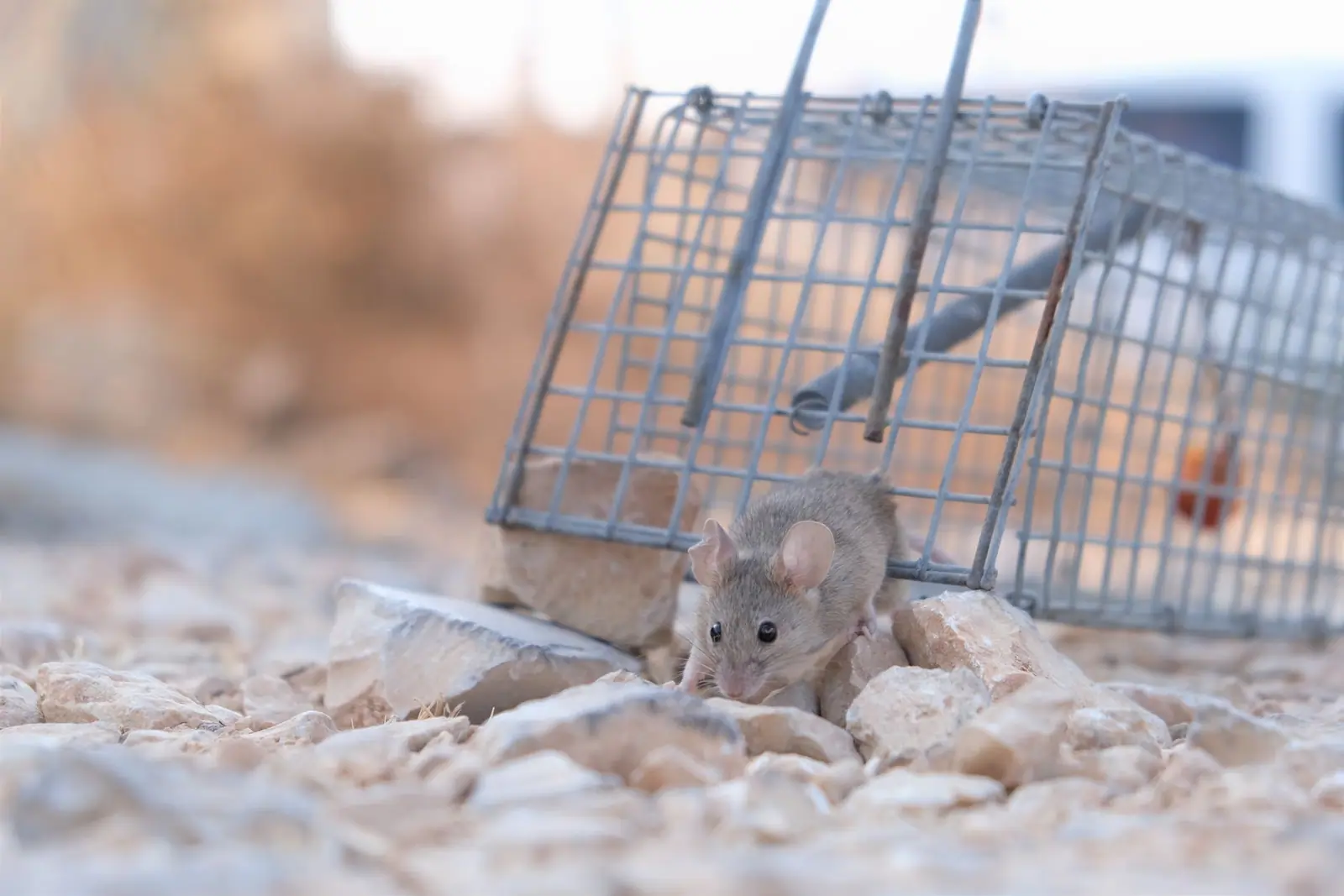
Every mouse problem has two parts: the mice already inside, and the route that let them in. Almost all the money people spend goes on the first part. Traps, bait, a service. The mice go, and in a few weeks or next fall they are back, because the second part was never touched.
Sealing is dull, cheap and permanent. It is also the step that makes everything else work.
How small a gap is too small
UC IPM’s guidance is that mice can enter through openings as small as a quarter of an inch, and it goes further on the detail: house mice can squeeze under gaps a quarter of an inch tall, and through openings three-eighths of an inch wide. Rats need more room, but UC IPM’s advice for keeping them out is the same starting point: seal cracks and openings larger than a quarter of an inch.
A quarter of an inch is about the width of a pencil. If a pencil fits, assume a mouse does.
Where they get in
Walk the outside of the house slowly, low down, with a flashlight. Then do the same inside, in the basement, the garage and behind the kitchen appliances.
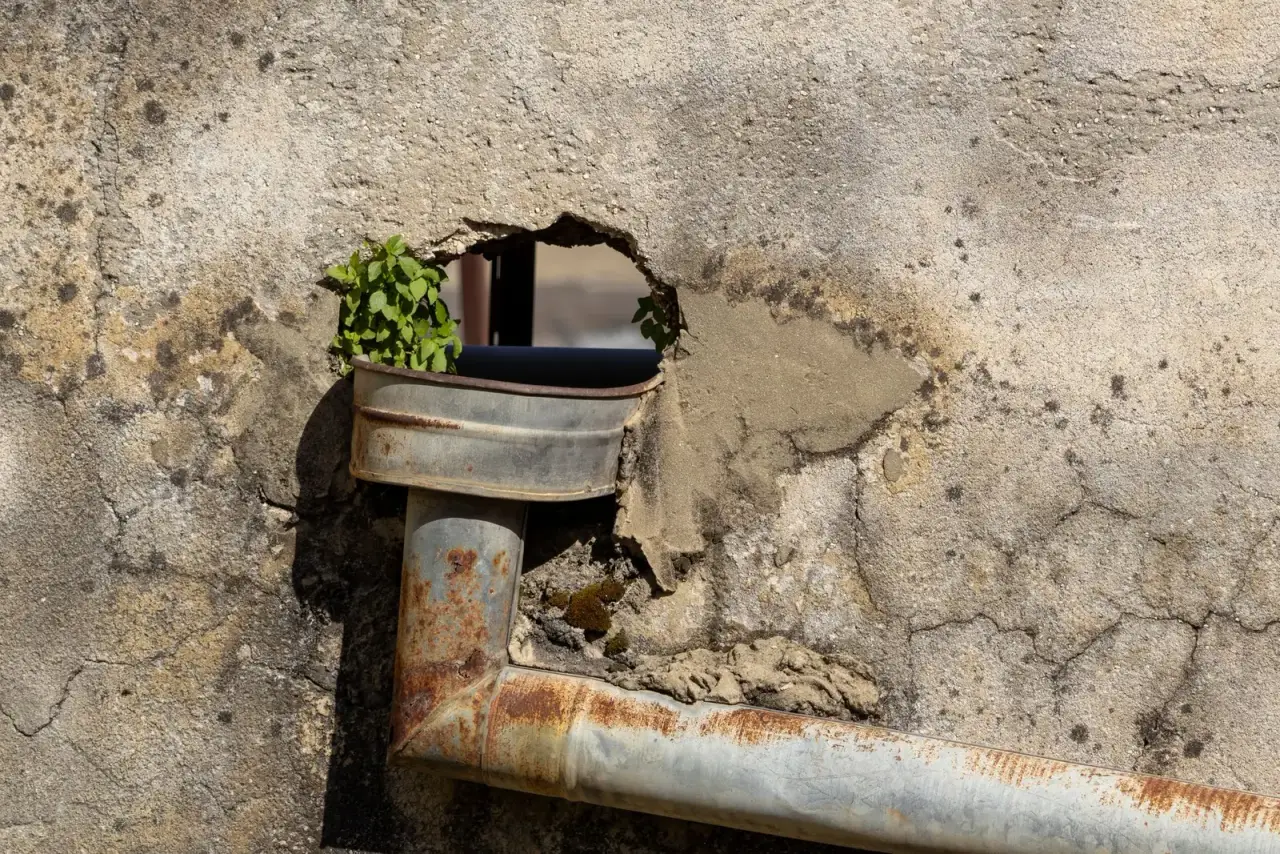
- Where pipes, cables and vents pass through walls, especially gas lines, air conditioning lines and dryer vents.
- Under garage doors, where the rubber seal has worn or does not meet an uneven floor.
- Gaps under exterior doors without a sweep.
- Foundation cracks and the joint where the siding meets the foundation.
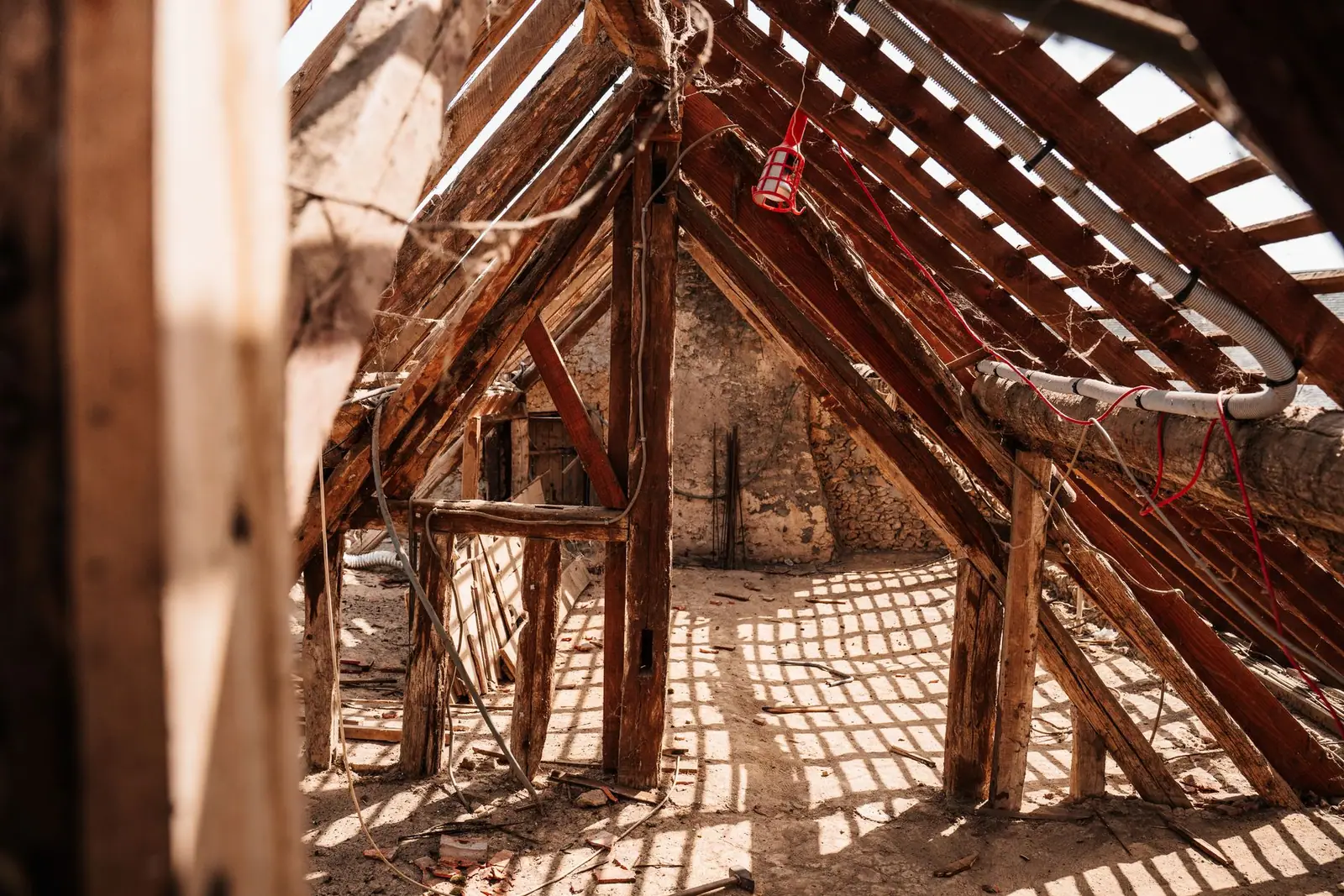
- Weep holes and unscreened vents in crawl spaces and attics.
- Rooflines and eaves, where house mice, which UC IPM describes as excellent climbers, can reach via plants or walls.
- Inside, behind the dishwasher, under the sink, and around radiator and plumbing pipes where they pass through floors.
What to seal with
This is where many repairs fail. Expanding foam and caulk look solid, and rodents go straight through them.
UC IPM names the materials: seal openings using wire screen or coarse steel wool that mice cannot chew through, and for rats, steel wool, wire screen or sheet metal. It warns that rats can chew through plastic, foam, wood and caulk.
| Gap | Material that holds | Material that fails |
|---|---|---|
| Around a pipe or cable | Coarse steel wool packed tight, then sealant over it to hold it in | Foam or caulk alone |
| Vents and larger openings | Wire screen or hardware cloth, fixed with screws | Plastic mesh, fly screen |
| Under doors | A metal-backed door sweep and weather stripping | Foam draft strips |
| Garage door | A replacement bottom seal, or a threshold seal | Nothing, if the gap is visible in daylight |
| Holes in siding or eaves | Sheet metal flashing | Wood filler |
Steel wool rusts outdoors. Where it will get wet, use copper mesh or stainless material instead, or cover the plug.
Why sealing comes first
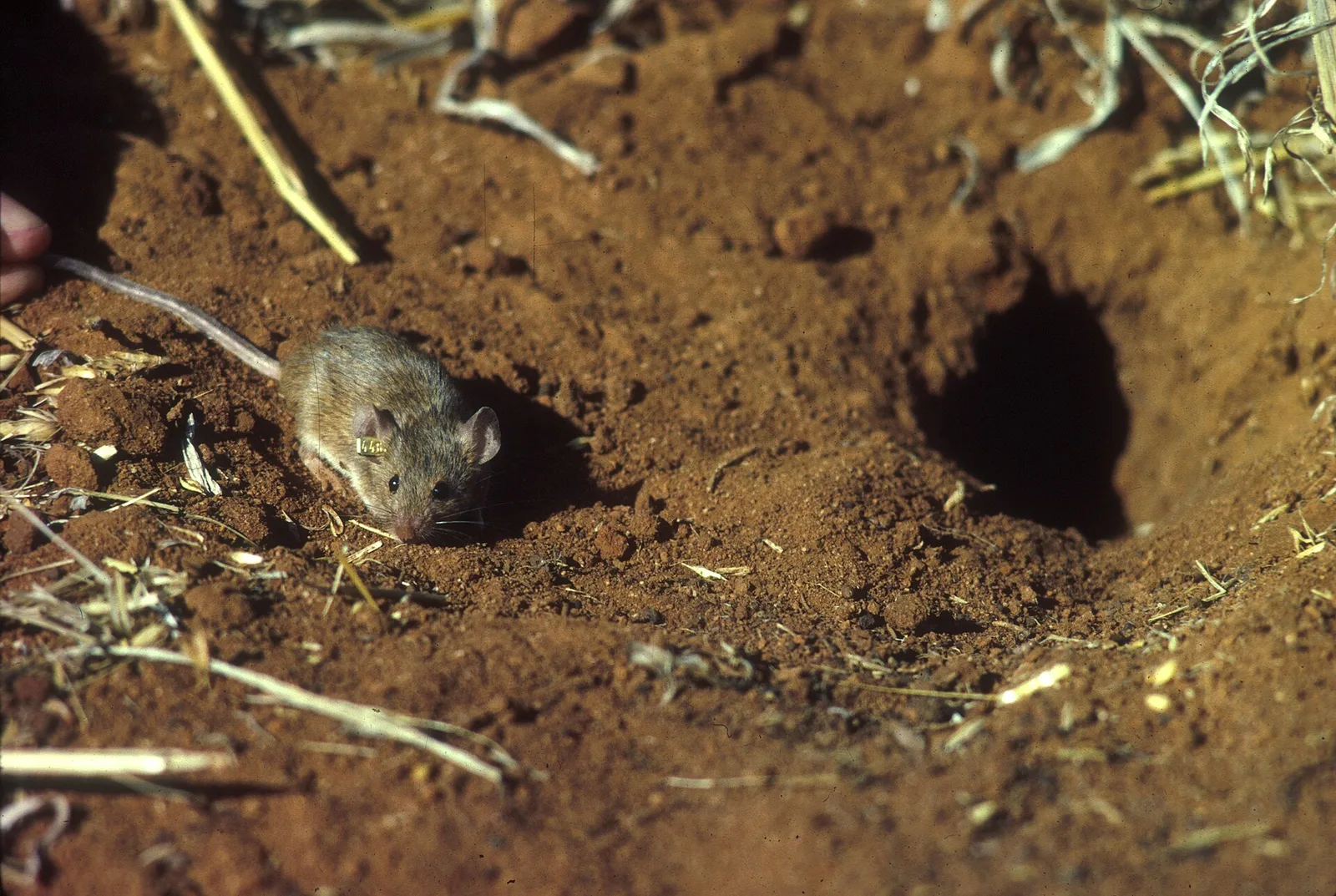
UC IPM notes that house mice seldom venture more than 30 feet from their nests and food supply. That makes them manageable once the house is closed, because a fixed population inside can be trapped out in days.
It also explains what happens without sealing. You trap four mice, the droppings stop, and the next four arrive in October when the weather cools. Nothing you did inside changed the outside.
The right order:
- Find and seal the entry points, except perhaps one you are watching.
- Trap the mice that are already inside.
- Check again in a week, and look for fresh droppings, which tell you whether any gap was missed.
- Recheck each fall, when outdoor mice look for shelter.
If you have used rodenticide in the walls or attic and the smell arrives a week later, that is a reason to trap instead next time. UC IPM notes that because house mice stay within about 30 feet of their nest, poisoned mice often die inside the structure, where the odor and the sanitation problem become yours.
The things that undo a sealed house
- Pet food and bird seed. UC IPM advises feeding pets only the amount they will eat at one feeding, and storing food in sealed containers. Bird feeders near the house feed mice and rats as well.
- Open trash cans indoors and out. Keep all food storage and trash containers sealed.
- Clutter in the garage and basement, which gives shelter and hides droppings.
- Plants against the walls. UC IPM recommends thinning or removing plants next to or climbing up buildings.
- Doors left open on warm evenings.
When to call someone
A good exclusion service is worth paying for when the house is large, the roof is high, or the gaps are in places you cannot safely reach. Ask for a written list of every entry point sealed, the material used, and a warranty on the work. A company that sells only bait boxes and monthly visits is selling the first half of the job.
Related reading: Price Rodent Exclusion as a Complete Building Repair and Traps or Poison for Mice and Rats.
Questions people ask
How small a hole can a mouse get through?
UC IPM says mice can enter through openings as small as a quarter of an inch, and can squeeze under gaps a quarter of an inch tall. If a pencil fits through a gap, assume a mouse can too.
What should I use to block mouse holes?
Coarse steel wool, wire screen, hardware cloth and sheet metal. UC IPM warns that rats chew through plastic, foam, wood and caulk, so use those only to hold a metal plug in place, not on their own.
Why do I keep getting mice after trapping them?
Because the entry points are still open. Trapping removes the mice inside, but new ones keep arriving through the same gaps, especially in fall. Seal first, then trap.
Do ultrasonic mouse repellers work?
Not reliably. UC IPM says mice quickly become accustomed to repeated sounds, and ultrasonic sound is directional, does not penetrate behind objects and loses intensity quickly with distance.
Where these figures come from
- House Mouse Management Guidelines University of California Statewide IPM Program · ipm.ucanr.edu
- Rats Management Guidelines University of California Statewide IPM Program · ipm.ucanr.edu
Figures last checked September 2026.