On this page
The shelf in the hardware store offers three answers to a mouse: a trap that kills, a board that holds, and a box of bait that promises the problem will simply go away. The last one sounds the easiest. It usually is not.
Key figures
- 10 feet Maximum mouse-trap spacing, per UC IPM
- 10 to 20 feet Rat-trap spacing, per UC IPM
- 30 feet Typical mouse travel distance from the nest
Why traps are the starting point
UC IPM’s guidance is consistent across species. For rats, snap traps are the safest, most effective and most economical way to trap them. For mice, snap traps work well and are a great first step, especially when enough are placed in strategic locations near activity.
Traps have three advantages over poison that matter in a house:
- You know it worked, because you have the rodent.
- The body is where you can reach it, not in a wall void.
- Nothing toxic is left for a child, a dog or an owl to find.
How to trap properly
Most failed trapping is too few traps in the wrong places.
Numbers. UC IPM says to use enough traps to make the trapping period short and decisive. House mice seldom go more than 30 feet from their nests, so it advises spacing traps no more than about 10 feet apart where mice are active. Pairs of traps set an inch or two apart catch mice that jump over the first.
Placement. Along walls, behind objects, in dark corners and where you have found droppings. Rodents travel along edges. A trap in the middle of the floor catches very little.
Orientation. UC IPM says to place traps close to walls so mice pass directly over the trigger.
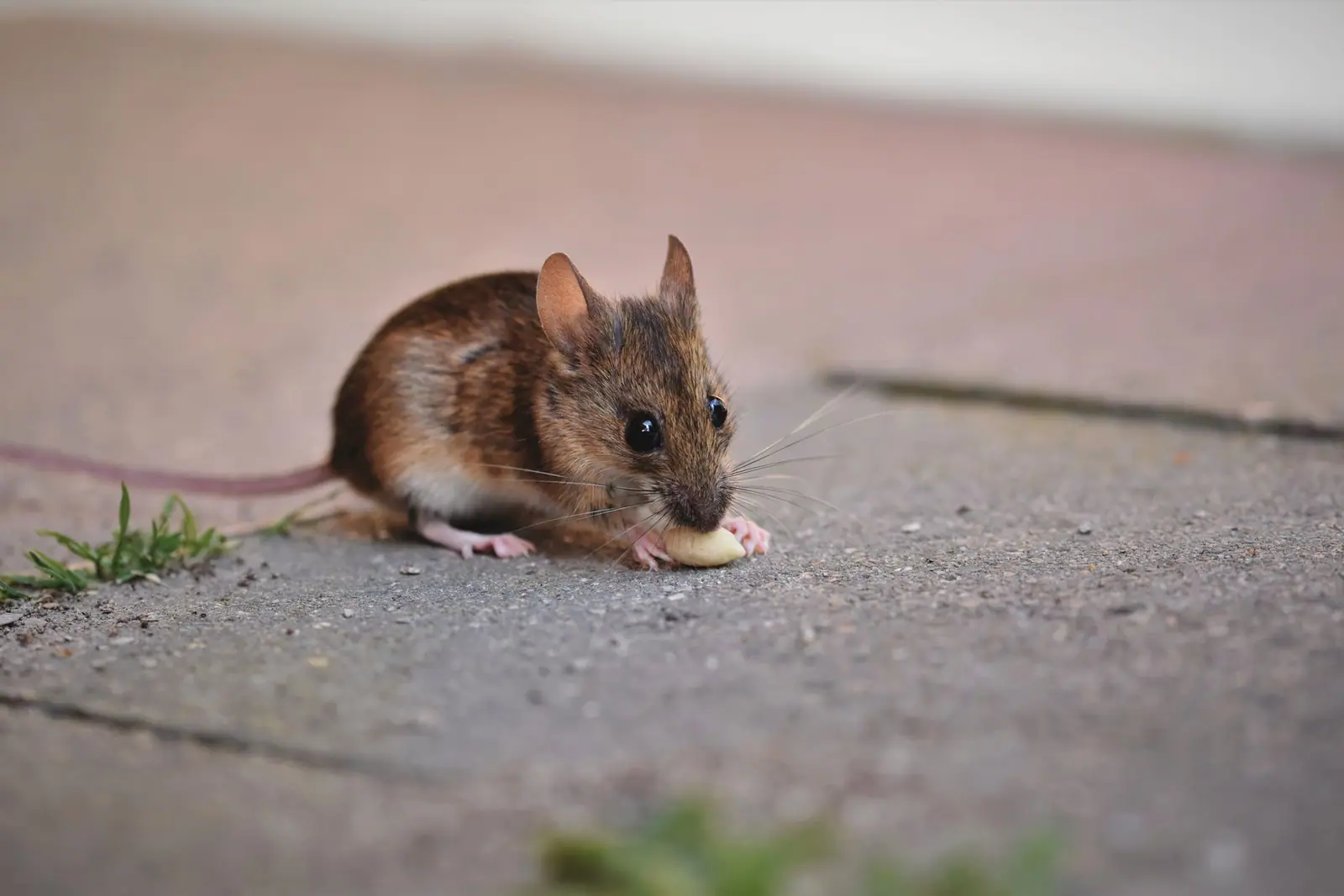
Bait. UC IPM notes the best bait is often the food the mice are already eating. Peanut butter is popular and effective, with the caveat of allergy risk in some homes. Use a pea-sized amount.
Trigger. Wide trigger plates catch more mice, according to UC IPM.
Safety. Put traps where children, pets and other animals cannot reach them, or inside a trap box. Mice and small juvenile rats often will not trigger a rat trap, so match the trap to the animal.
Rats need more patience
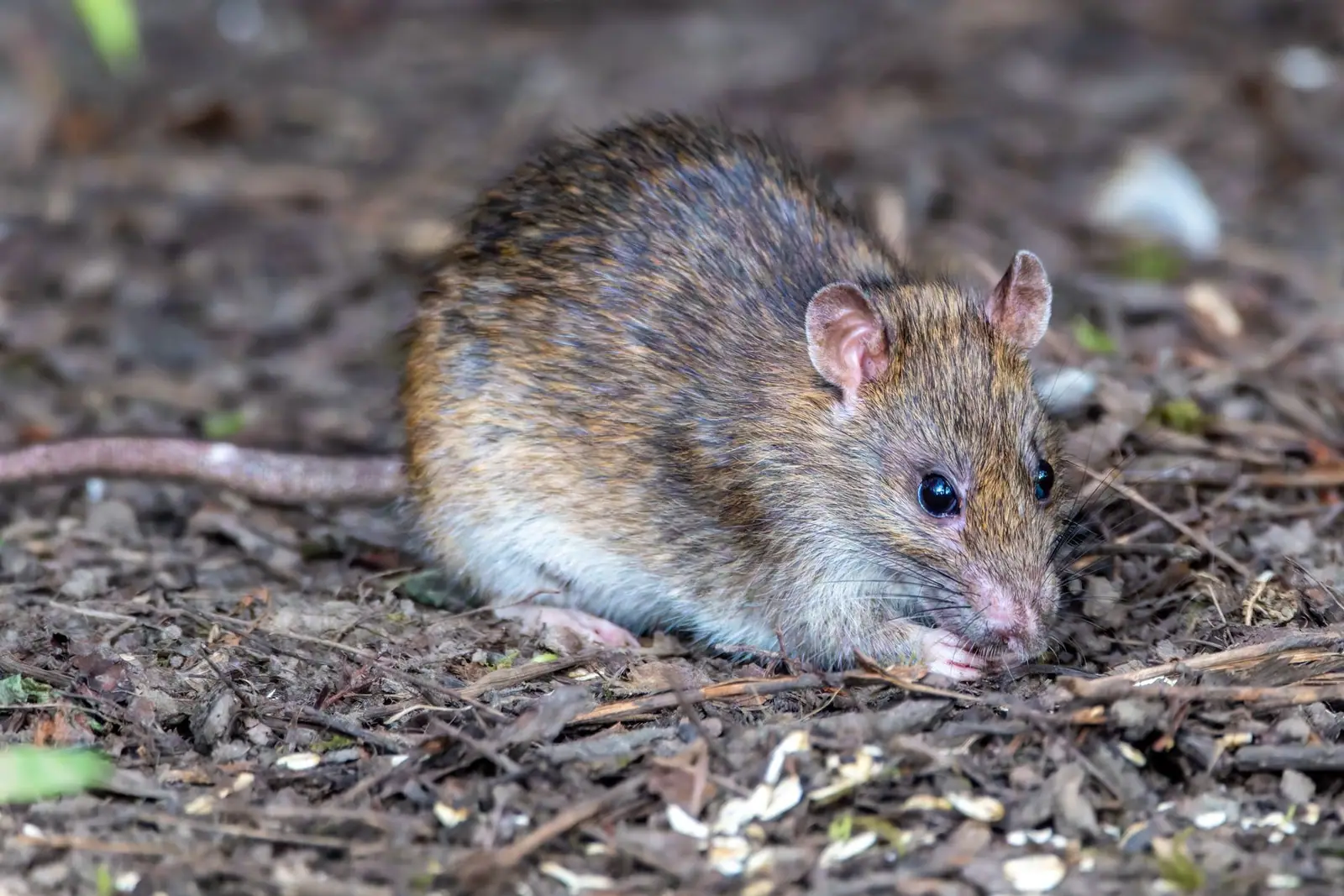
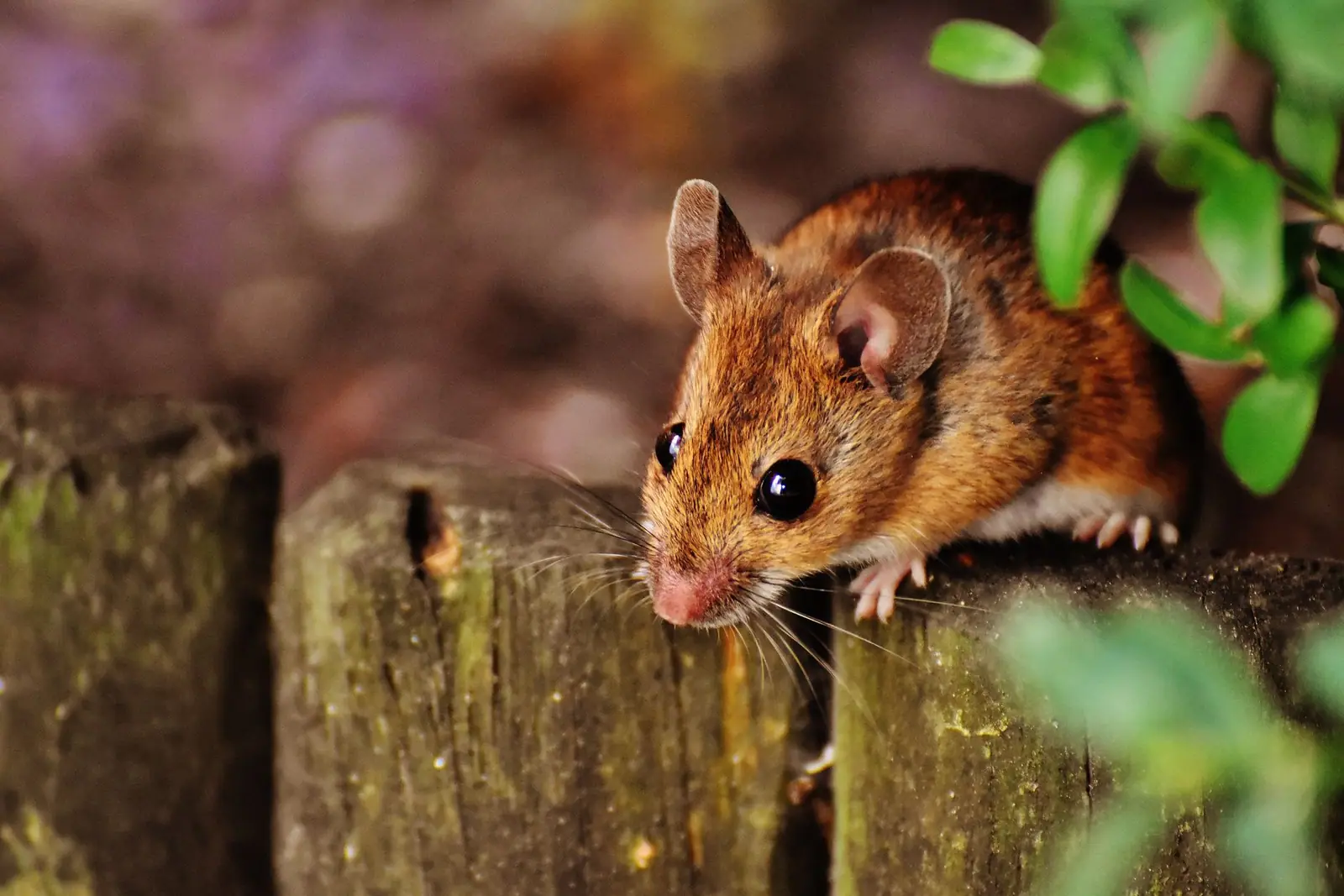
Rats are more cautious than mice. UC IPM explains that they quickly detect and avoid new objects and new foods, so they often ignore traps for the first several days, sometimes weeks. A rat that sets off a trap without being caught becomes very hard to trap again. Its suggested fix is to leave traps baited but unset until the bait has been taken several times, and to space rat traps about 10 to 20 feet apart.
Where you put them depends on the rat. UC IPM’s advice is to place traps for Norway rats close to walls, behind objects and in dark corners where droppings appear. Roof rats live higher, so traps go on ledges, shelves, pipes and in the attic where they travel.
What bait does, and does not do
UC IPM is careful on this. Rodenticide baits generally take several days for effective control. They should be placed in tamper-proof bait stations out of reach of children, pets and wildlife, and all rodenticides are toxic.
Two problems follow in a house:
- Where they die. Because mice stay within about 30 feet of their nest, UC IPM notes that rodenticide often means mice dying inside the structure. The smell, flies and sanitation problem last for weeks in a wall you cannot open.
- Who else eats it. Pets eat bait directly. Predators and scavengers eat poisoned rodents, which UC IPM calls secondary poisoning. The EPA restricted what consumers can buy for exactly that reason, which is covered in the article on what rodent poison you are allowed to use.
Bait has a place: outdoors around a building with a large rat population, in stations, or by a professional in areas people cannot reach. As the only tool against a few mice in a kitchen, it is usually the wrong one.
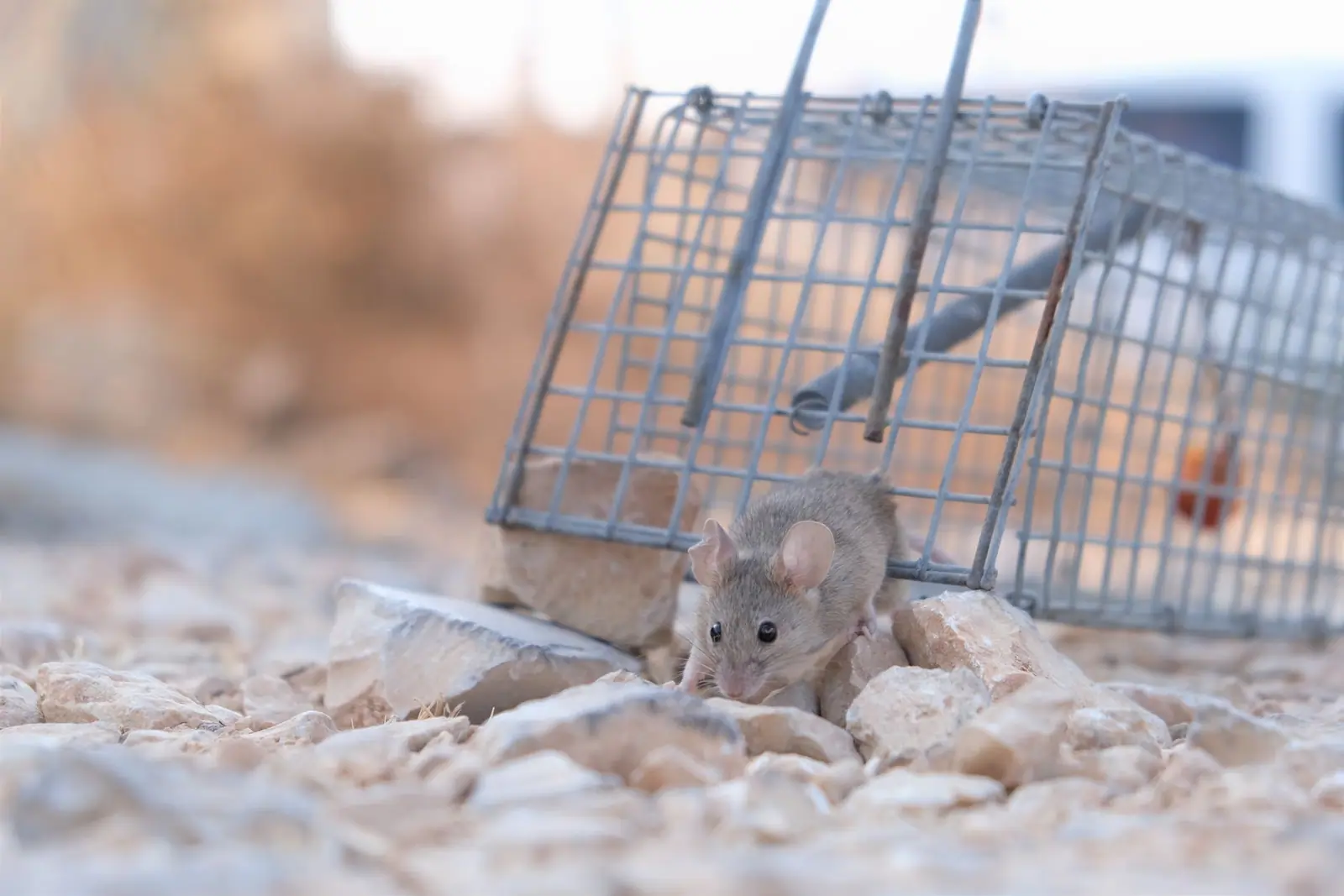
Glue boards look like a gentle option and are not. UC IPM says adult rodents can often detect and avoid the glue, so boards mostly catch juveniles, and trapped animals may not die quickly and will need to be killed humanely. They also lose stickiness in dusty places and in extreme temperatures. Releasing a live-caught mouse is not the kind option it seems either: UC IPM notes mice moved as far as half a mile can navigate back, and released mice often die from predators, fights or exposure. For rats, it says live trapping is not recommended for non-professionals at all. The kindest option is sealing the house so there is nothing to catch.
Handling what you catch
UC IPM’s advice: dispose of dead rodents by burying them or placing them in plastic bags in the trash, do not touch them with bare hands, and wash your hands thoroughly after handling traps. In rural buildings, cabins and sheds where deer mice may be present, follow the full disinfection routine for droppings and nests, because of hantavirus.
The order that works
- Seal the entry points first.
- Set many traps, along walls, close together where activity is heaviest.
- Check them daily and reset.
- Watch for fresh droppings. When none appear for a couple of weeks, you are done.
- Use bait only where traps cannot work, and only in tamper-resistant stations.
Related reading: Sealing the House Is the Real Mouse Treatment and The Rodent Poison You Are Allowed to Buy.
Questions people ask
Are traps or poison better for mice?
Traps, in most homes. UC IPM calls snap traps a great first step for mice and the safest, most effective and most economical option for rats. Rodenticides take several days and often leave mice dying inside the walls.
How many mouse traps should I use?
More than you think. UC IPM advises spacing traps no more than about 10 feet apart where mice are active, since they rarely travel more than 30 feet from their nest, and setting pairs an inch or two apart.
What is the best bait for mouse traps?
UC IPM says the best bait is often the food mice are already eating. Peanut butter is popular and effective, though it can pose allergy risks. Use a pea-sized amount.
Are glue traps humane?
UC IPM notes glue boards mostly catch juveniles because adults avoid them, and trapped animals may not die quickly. Releasing live-caught mice rarely works either, since UC IPM notes they can find their way back from half a mile. Sealing the house prevents the problem.
Where these figures come from
- House Mouse Management Guidelines University of California Statewide IPM Program · ipm.ucanr.edu
- Rats Management Guidelines University of California Statewide IPM Program · ipm.ucanr.edu
- Restrictions on Rodenticide Products US Environmental Protection Agency · epa.gov
Figures last checked September 2026.