On this page
The worst time to discover how flood insurance works is the week a storm is named. By then the decision has already been made for you.
Key figures
- 30 days NFIP usual wait before coverage, exceptions apply
- one-day NFIP map-change exception wait, conditions apply
- 12 months Purchase window for qualifying NFIP map-change exception
Two facts that surprise people
Your homeowners policy almost certainly excludes flood. Water that comes up from outside, from a river, a storm surge, heavy rainfall or a failed drainage system, is a separate peril, sold separately.
A new policy generally does not pay for 30 days. FEMA’s own wording: “there’s a 30-day waiting period from date of purchase before your policy goes into effect.”
Together those two facts explain why people whose houses flood so often discover they have no cover: the exclusion was invisible and the clock had not started.
The exceptions to the waiting period
There are specific cases where the 30 days does not apply, including:
- Buying flood cover in connection with a mortgage being made, increased, extended or renewed.
- Changing coverage at renewal of an existing policy.
- A map change: a one-day wait if the property has been newly designated as high risk and the policy is bought within 12 months of the update.
- After a wildfire on federal land, a one-day wait where the flooding is caused or worsened by that fire and the policy is bought within 60 days of containment.
Outside those, assume 30 days and plan accordingly.
Flood cover bought in February protects you in September. Flood cover bought in September protects you next year. The waiting period is not negotiable in a forecast.
What the federal policy covers, and what it does not
Through the National Flood Insurance Program, a residential policy offers up to $250,000 of building coverage and up to $100,000 of contents coverage. They are separate: buying the building cover alone leaves everything inside uninsured.
Things people assume are covered and often are not:
- Basement contents, which are treated restrictively under the standard policy.
- Temporary accommodation while the house is repaired, which the standard NFIP policy does not include.
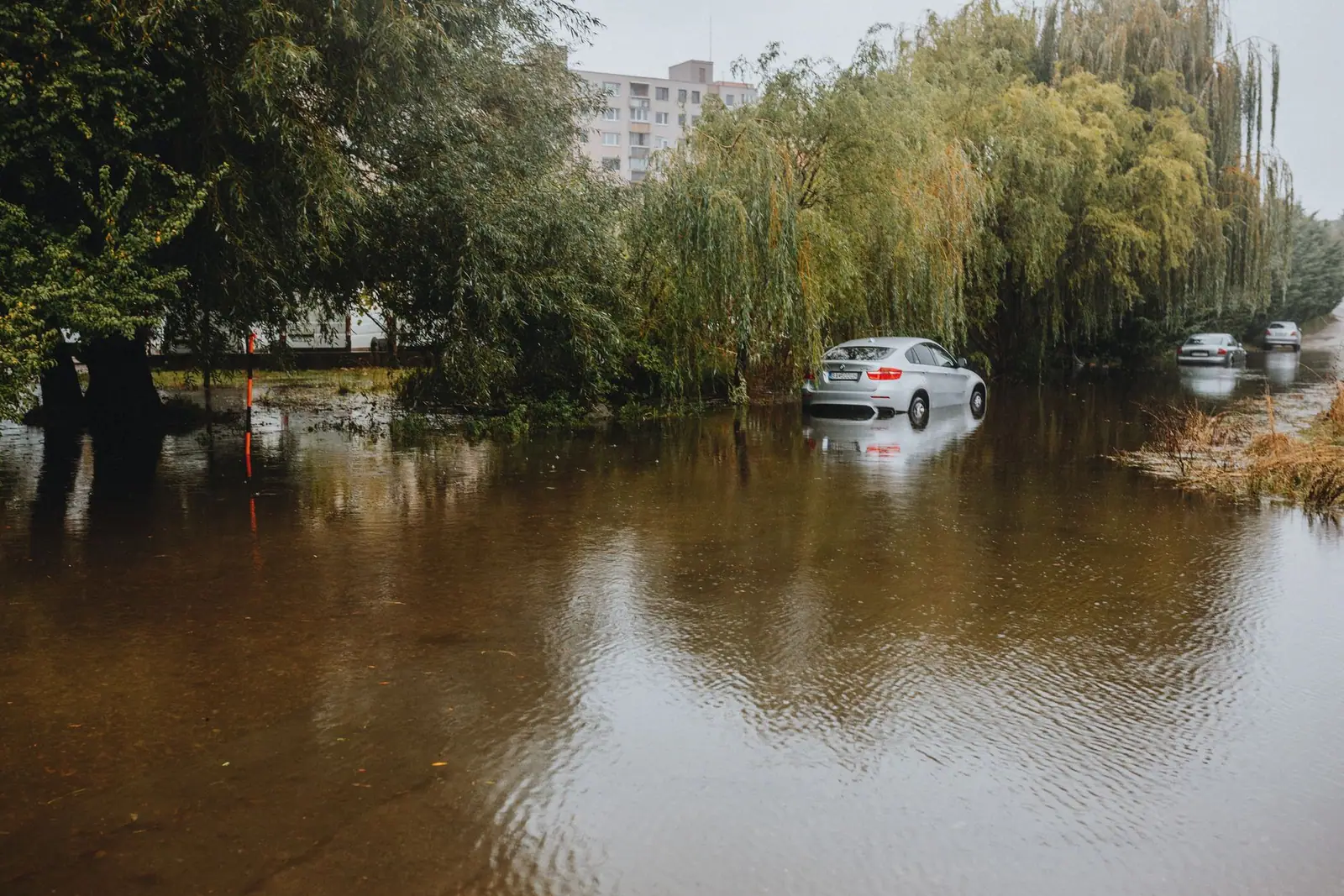
- Cars, which belong to comprehensive auto insurance.
- Anything beyond the limits, which is why excess flood cover exists in the private market.
The three questions to answer this month
- Does my policy exclude flood? Read the exclusions page, not the summary.
- What does my flood map say, and how recently was it updated? Maps change, and a low-risk designation is not a promise.
- What would a claim actually cost me, given the limits and any separate flood deductible?
If you rent, contents flood cover exists and is usually inexpensive, because the building is somebody else’s problem.
If you do flood
Photograph everything before moving anything, keep receipts for temporary repairs, and report the claim immediately. Then follow the FDA rules on food and water that flood water reached, which are stricter than people expect: anything not in a waterproof container goes.
Related reading: A Flood Cleanup Quote Needs a Defined Completion Point and The Week Before a Hurricane, in Order.
Questions people ask
Does homeowners insurance cover flooding?
Generally not. Flood is excluded from most homeowners policies and has to be insured separately, usually through the National Flood Insurance Program or a private flood policy.
How long before flood insurance takes effect?
FEMA states there is typically a 30-day waiting period from the date of purchase, with narrow exceptions such as policies tied to a mortgage transaction or certain map changes.
How much does NFIP cover?
Up to $250,000 for the building and up to $100,000 for contents, bought separately.
Do I need flood insurance if I am not in a flood zone?
Flooding happens outside mapped high-risk areas regularly, and premiums there are lower. The question is what a flood would cost you, not what the map says.
Where these figures come from
- Waiting Period for Activating Flood Policy? FEMA · fema.gov
- Flood Insurance FEMA · fema.gov
- Buy a Flood Insurance Policy National Flood Insurance Program, FloodSmart · floodsmart.gov
Figures last checked September 2026.