On this page
Most people never evacuate. The ones who do usually get the order with little notice, at an inconvenient hour, while trying to find the dog.
The work is all in advance, and it is one afternoon.
Key figures
- One gallon Daily emergency water reserve per person
- ten-minute Example: short evacuation warning to prepare for
The bag
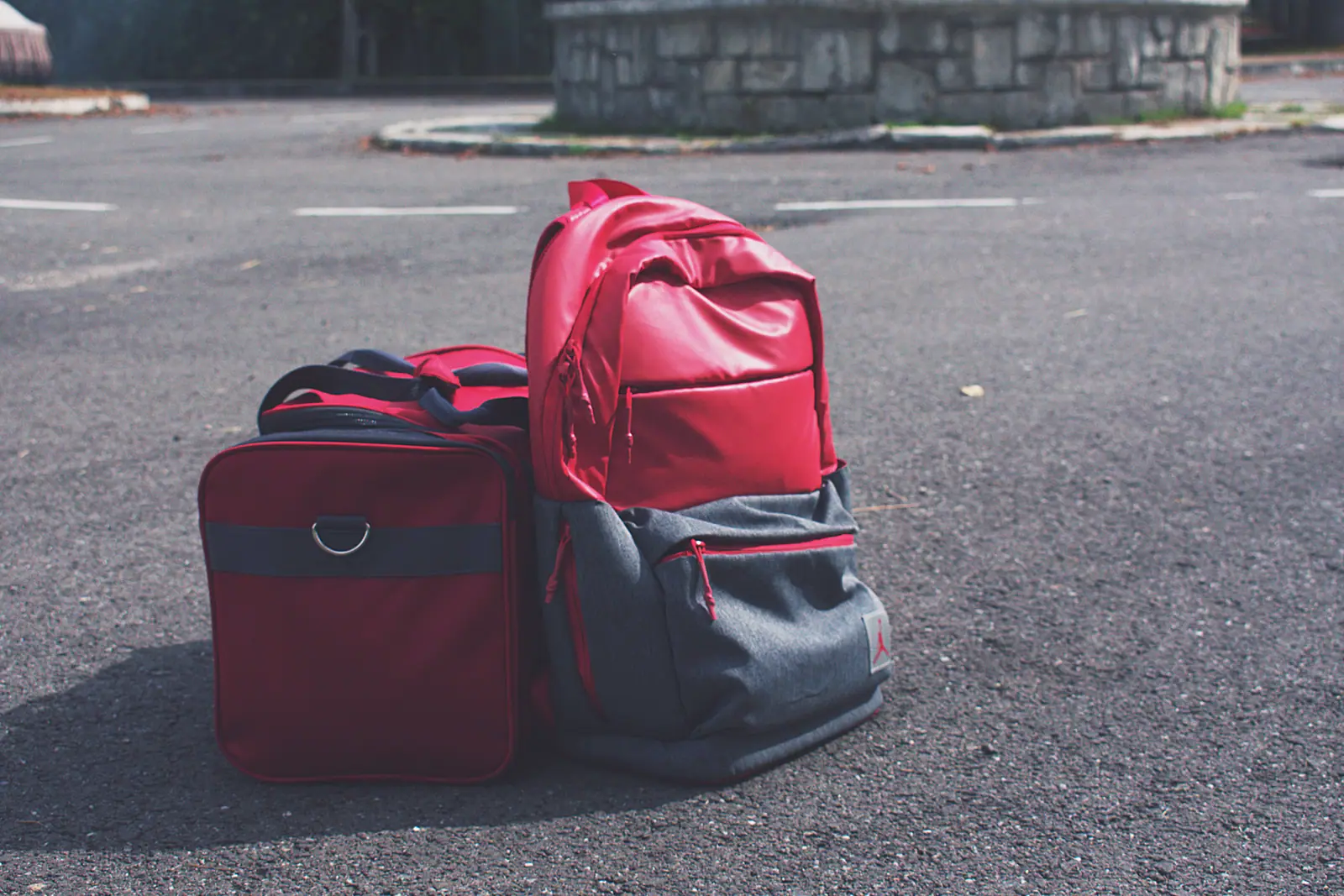
Aim for what each person can carry, in a waterproof bag, kept somewhere you can reach without a torch.
Documents, in a waterproof folder or on an encrypted drive:
- Identification, passports, birth certificates
- Insurance policies, including the flood policy number
- Deeds, lease, vehicle title
- A list of medications, doses and prescribers
- Bank and card details, and a copy of recent statements
- Photographs of every room of the house, for claims
FEMA’s Emergency Financial First Aid Kit is a checklist built for exactly this list, and filling it in once saves reconstructing it in a shelter.
Medical:
- At least a week of prescription medication, rotated so it does not expire
- Glasses, hearing aid batteries, a spare charger for any device
- A small first aid kit
Practical:
- Phone chargers and a power bank
- Cash in small notes
- Torch and spare batteries
- Water, one gallon per person per day, and food that needs no cooking
- A change of clothes and sturdy shoes
- Toiletries, wipes, nappies or period supplies
- A paper map of the region, because the network will be down
For pets: food, water, bowls, lead, carrier, vaccination records and a photo of you with the animal in case you are separated.
Keep the tank above half through storm season. Fuel pumps need electricity, and the queues start the moment an evacuation is announced.

Before you leave the house
- Tell your out-of-town contact where you are going and by which route.
- Take photographs of the house and its contents if you have not already.
- Turn off utilities only if instructed. Gas in particular usually needs a professional to restore.
- Move valuables upstairs if flooding is the threat and time allows.
- Lock up, and leave a note if local practice is to do so.
On the road
- Go early and take the official route, not the shortcut. Routes are chosen because they stay open.
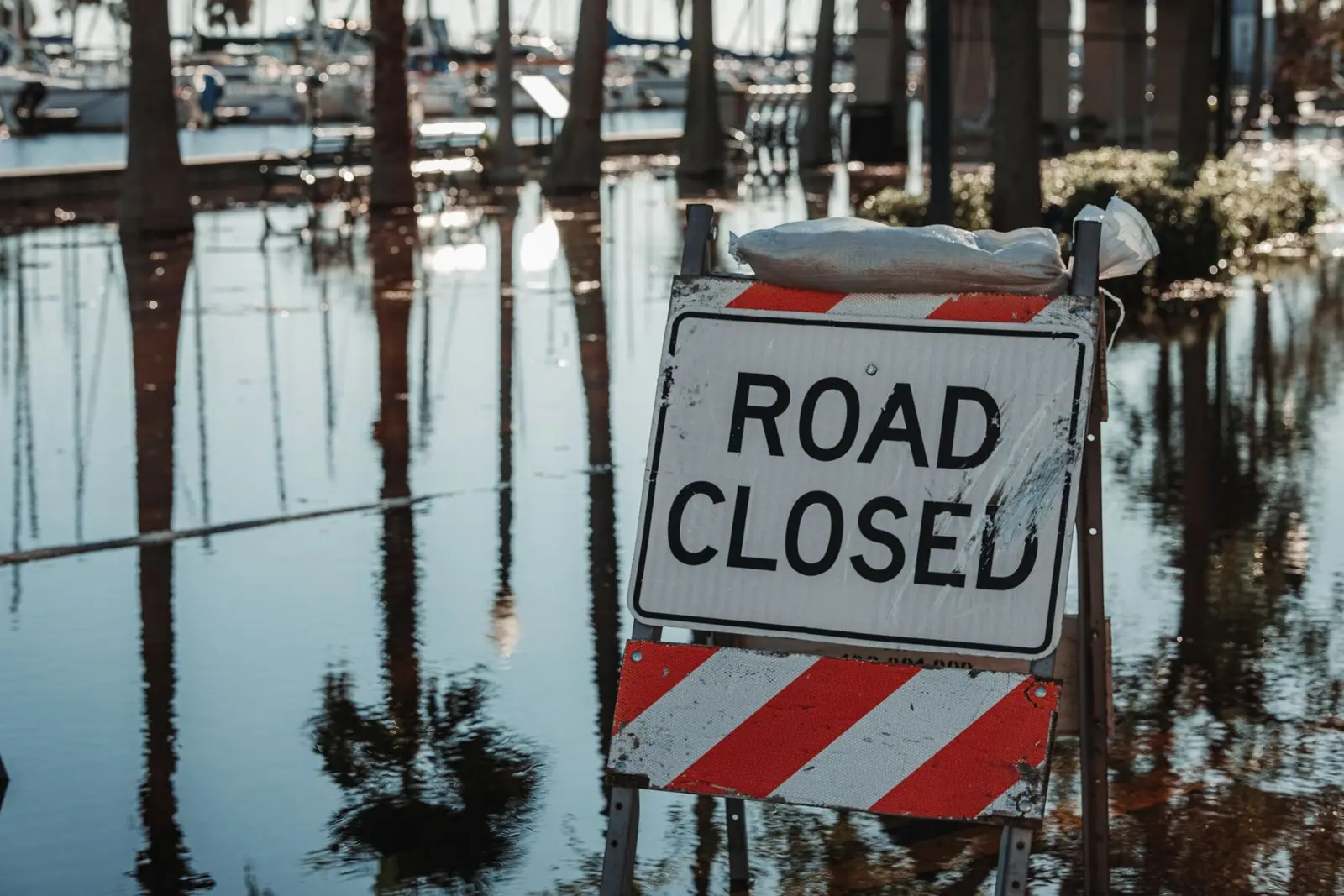
- Never drive through flood water. Twelve inches of moving water floats most cars.
- Expect no fuel, no card terminals and no mobile signal for stretches of the journey.
- Take breaks. Evacuation traffic is slow and exhausting, and the crash is the risk that rises most.
Where to go
The best option is usually a friend or relative a long way inland or uphill. Agree that in advance so the call is a courtesy rather than a request.
Public shelters exist and they work. Check in advance which ones accept pets, because that decision has made people stay in dangerous houses.
Related reading: Six Inches of Water Is Enough to Take You Down and A Flood Cleanup Quote Needs a Defined Completion Point.
Questions people ask
What should be in an evacuation bag?
Medication and a medication list, identity and insurance documents, chargers and a power bank, cash, water and food, a torch, a change of clothes, and whatever pets need.
How much water should I take?
Ready.gov's baseline is one gallon per person per day, for drinking and sanitation.
Should I turn off the gas when evacuating?
Only if officials tell you to. Once gas is shut off at the meter, restoring it usually requires the utility.
What if I cannot take my pet to a shelter?
Find out in advance which shelters and hotels in your region accept pets. Making that plan early prevents the decision to stay in a dangerous house.
Where these figures come from
- Build A Kit Ready.gov, FEMA · ready.gov
- Emergency Financial First Aid Kit Ready.gov, FEMA · ready.gov
- Turn Around Don't Drown National Weather Service, NOAA · weather.gov
Figures last checked September 2026.