On this page
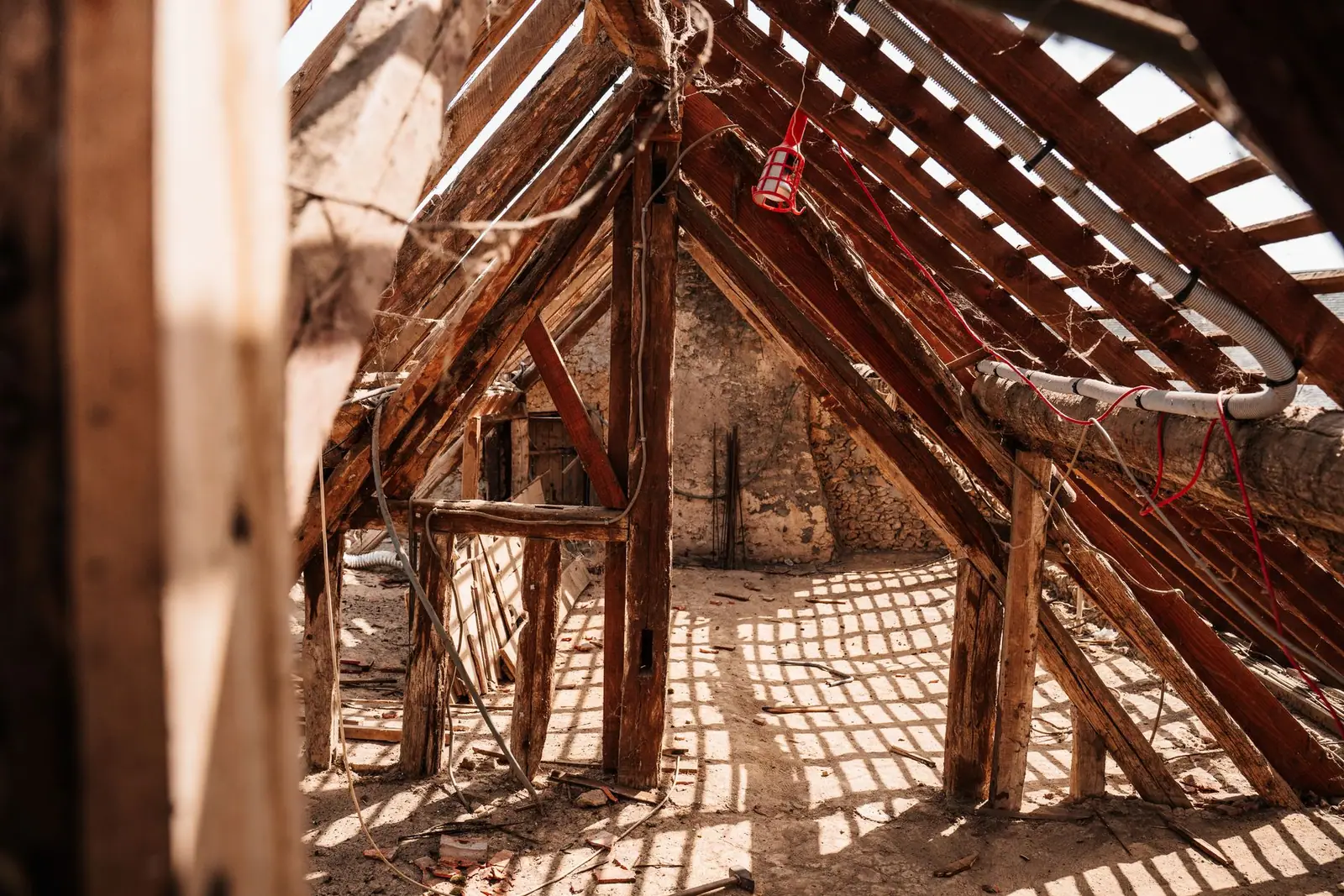
Scratching in the ceiling after dark, a run of noise along the eaves, droppings on top of stored boxes in the attic. It sounds like the rat is inside the house. More often, it lives in the yard and commutes.
Key figures
- 3 feet UC IPM tree-limb clearance from the roof
- 2 feet UC IPM shrub clearance from the house
- 10 to 20 feet Rat-trap spacing, keep children and pets away
Which rat you have
UC IPM separates the two common species by how they live, which is also how you tell them apart without seeing one.
| Roof rat | Norway rat | |
|---|---|---|
| Build | Sleek, tail longer than head and body combined | Stocky, heavier, shorter tail |
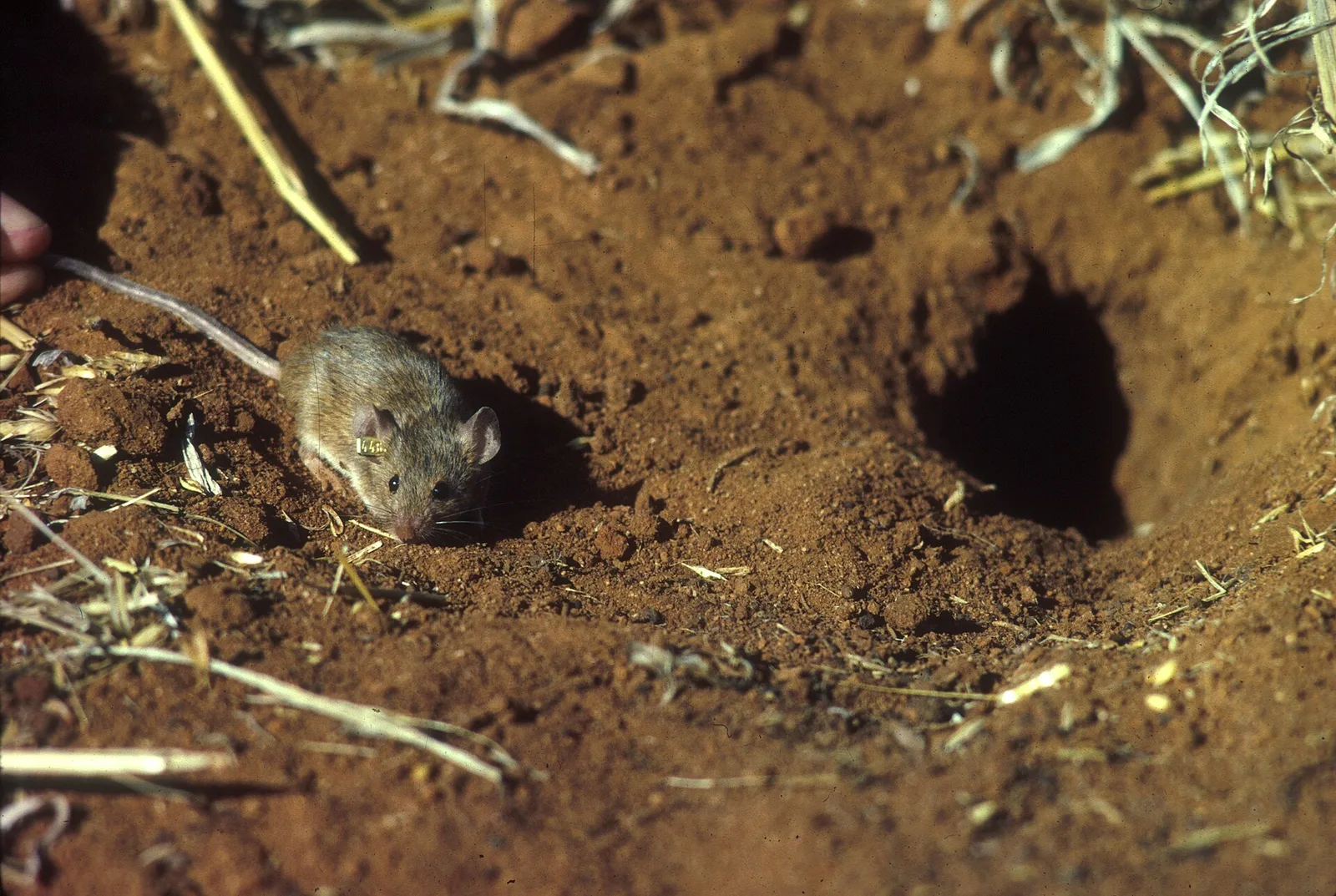
| Where it nests outdoors | Above ground in shrubs, trees and dense vegetation such as ivy | Burrows along foundations, under trash piles and woodpiles |
| Where it goes indoors | Attics, walls, false ceilings and cabinets | Basements and the ground floor |
| How it moves | Runs along utility lines and fence tops, especially at dusk | Along walls and the ground |
UC IPM notes roof rats are most common in warm and coastal areas, and that their documented range is expanding.
Noise overhead points to roof rats. A burrow beside the foundation points to Norway rats. Some properties have both.

Signs that it is rats
UC IPM lists what to look for:
- Droppings near food areas, storage areas, pet dishes and pet food containers.
- Noises from the attic or a drop ceiling.
- Gnawed fruit or nuts in the yard. Roof rats prefer fruits, tree nuts, berries, snails, young birds and eggs, and they often hollow out citrus and avocados on the tree.
- Nests behind boxes, in cluttered garages and in woodpiles.
- Rats on overhead lines or fence tops at dusk.
The route in starts outside
Roof rats reach the roof the same way they reach fruit trees: by climbing. UC IPM’s landscaping advice is specific:
- Prune tree limbs within 3 feet of the roof.
- Remove climbing plants from buildings.
- Thin dense plantings, and leave at least 2 feet between shrubs, and between shrubs and the house.
- Pick up fallen fruit and nuts, and do not leave pet food or bird seed out overnight.
- Keep trash and compost in containers with tight lids.
Ivy on a wall is a ladder. A branch over the gutter is a bridge. Until those go, sealing the roofline is holding a door shut against a rat that can walk straight back to it.
Sealing the roofline
UC IPM’s standard is to seal cracks and openings larger than a quarter of an inch, using steel wool, wire screen or sheet metal, because rats chew through plastic, foam, wood and caulk.
The usual gaps at roof level:
- Where the roof meets the fascia, especially at corners and above gutters.
- Gable and soffit vents without sturdy metal screening.
- Gaps around plumbing vents and cables where they pass through the roof or eaves.
- Damaged roof tiles and gaps under ridge caps.
- Chimneys without a cap.
This is ladder work at height. If it is beyond you, pay for it, and ask for a written list of every gap sealed and the material used.
Seal in the right order. If you close every opening while rats are nesting in the attic, you trap them inside, where they chew new exits or die in the walls. Seal all but the main route, trap until activity stops, then close the last one.
Trapping roof rats
UC IPM calls snap traps the safest, most effective and most economical way to trap rats. For roof rats, it says to place traps off the ground: on ledges, shelves, branches, fences, pipes or overhead beams. In the attic, that means along the tops of walls, on rafters and on the runways you found.
Rats are wary. UC IPM explains they avoid new objects and foods at first, often for several days. Leave traps baited but unset until the bait has been taken several times, then set them. Space rat traps about 10 to 20 feet apart, and keep them out of reach of children and pets.
Things that do not work
- Ultrasonic devices. UC IPM says rats quickly get used to repeated sounds, making high frequency and ultrasonic devices ineffective in homes and gardens.
- Repellents. Rats may avoid some smells briefly, but UC IPM says no repellent has been found to solve a rat problem for more than a very short time.
- Poison in the attic. Rats that die in the insulation or a wall cavity leave a smell you cannot reach. Traps put the body where you can remove it.
After they are gone
Wear gloves. Do not sweep dry droppings into the air. Wet them first with disinfectant, bag them, and replace insulation that is heavily soiled. Then keep the trees pruned: the branch that grows back over the roof in two years is the route in again.
Related reading: How to Clean Up Mouse Droppings Safely and Price Rodent Exclusion as a Complete Building Repair.
Questions people ask
How do rats get into the attic?
Usually by climbing. Roof rats run along trees, climbing plants, fences and utility lines, then enter through gaps at the roofline, vents, and around pipes and cables. UC IPM advises pruning limbs within 3 feet of the roof and removing climbing plants from buildings.
How do I tell a roof rat from a Norway rat?
Roof rats are sleek with a tail longer than the head and body, nest above ground and favor attics and upper walls. Norway rats are stockier, burrow along foundations and usually stay in basements and on the ground floor.
What should I use to seal rat holes?
UC IPM recommends steel wool, wire screen or sheet metal for openings larger than a quarter of an inch, because rats can chew through plastic, foam, wood and caulk.
Do ultrasonic rat repellers work?
No. UC IPM says rats quickly become accustomed to repeated sounds, which makes high-frequency and ultrasonic devices ineffective for controlling rats in homes and gardens.
Where these figures come from
- Rats Management Guidelines University of California Statewide IPM Program · ipm.ucanr.edu
Figures last checked September 2026.