On this page
A pest identification service is worth paying for when the answer changes a purchase: bed bug treatment versus another insect, wood-boring beetle work versus old holes, or a termite inspection versus an ant problem. The useful product is a finding attached to a specimen or clear image. It is not an automatic diagnosis of a rash, a building-wide clearance or a treatment quote.
University laboratories publish unusually clear fee schedules. Their geographic rules, submission methods and turnaround times differ, so the lowest posted number is not necessarily available for every household. Start with your state’s extension service, then confirm the lab accepts the sample before paying for packaging, shipping or urgent processing.
Key figures
- $15 Iowa State microscope identification per sample
- $75 Iowa State DNA identification, basic fee included
- $24.80 UC Riverside routine identification, one-hour minimum
Laboratory fees buy different levels of identification
The following are the institutions’ own October 2026 fees, rather than prices from a pest-control lead service. Compare them with the task being requested and the shipping cost. A lab may ask for an intact specimen even after reviewing a photograph.
| Laboratory and service | Published household fee | Stated timing or fee boundary |
|---|---|---|
| Iowa State, photo identification | Free | Photo identification is not guaranteed |
| Iowa State, microscope identification | $15 per sample | Basic specimen service |
| Iowa State, DNA identification | $75 per sample total | Includes the $15 basic fee |
| UC Riverside, routine public submission | $24.80 per hour, minimum 1 hour | Usually 1–2 weeks |
| UC Riverside, urgent public submission | $49.60 per hour, minimum 1 hour | 48 hours or less |
| Rutgers, insect identification | $50 in state; $100 out of state | Confirm submission requirements |
Sources: Iowa State’s insect service, UC Riverside’s diagnostic service and Rutgers’ fee schedule.
UC Riverside also publishes commercial rates. Those should not be substituted for its general-public fees in a homeowner comparison. Likewise, a plant-disease analysis on a university fee page is a different service from identifying a household insect. Match the fee row to the specimen rather than quoting the largest or smallest number on the page.
DNA is an escalation rather than an automatic extra fee
Iowa State’s $75 DNA service includes basic identification, so it is not a $15 plus $75 total. If DNA cannot produce an identification, the lab says the customer pays only the basic $15 fee. Its submission process describes billing after diagnosis rather than sending payment inside the specimen package.
That structure makes the spending decision easier to understand. A specimen that can be identified under a microscope may not require DNA at all. If the lab recommends the higher service, ask what question the additional method can answer and whether that answer changes the proposed treatment.
Suppose a hypothetical treatment offer costs $500 and a $15 identification establishes that its target pest was not present in the submitted sample. Avoiding that purchase leaves a $485 difference before shipping. This is an illustration of a decision changed by evidence, not a claim that every $15 report saves $500 or clears the home. The provider still needs to inspect the locations where activity is reported.
A well-documented sample is more valuable than a hurried one
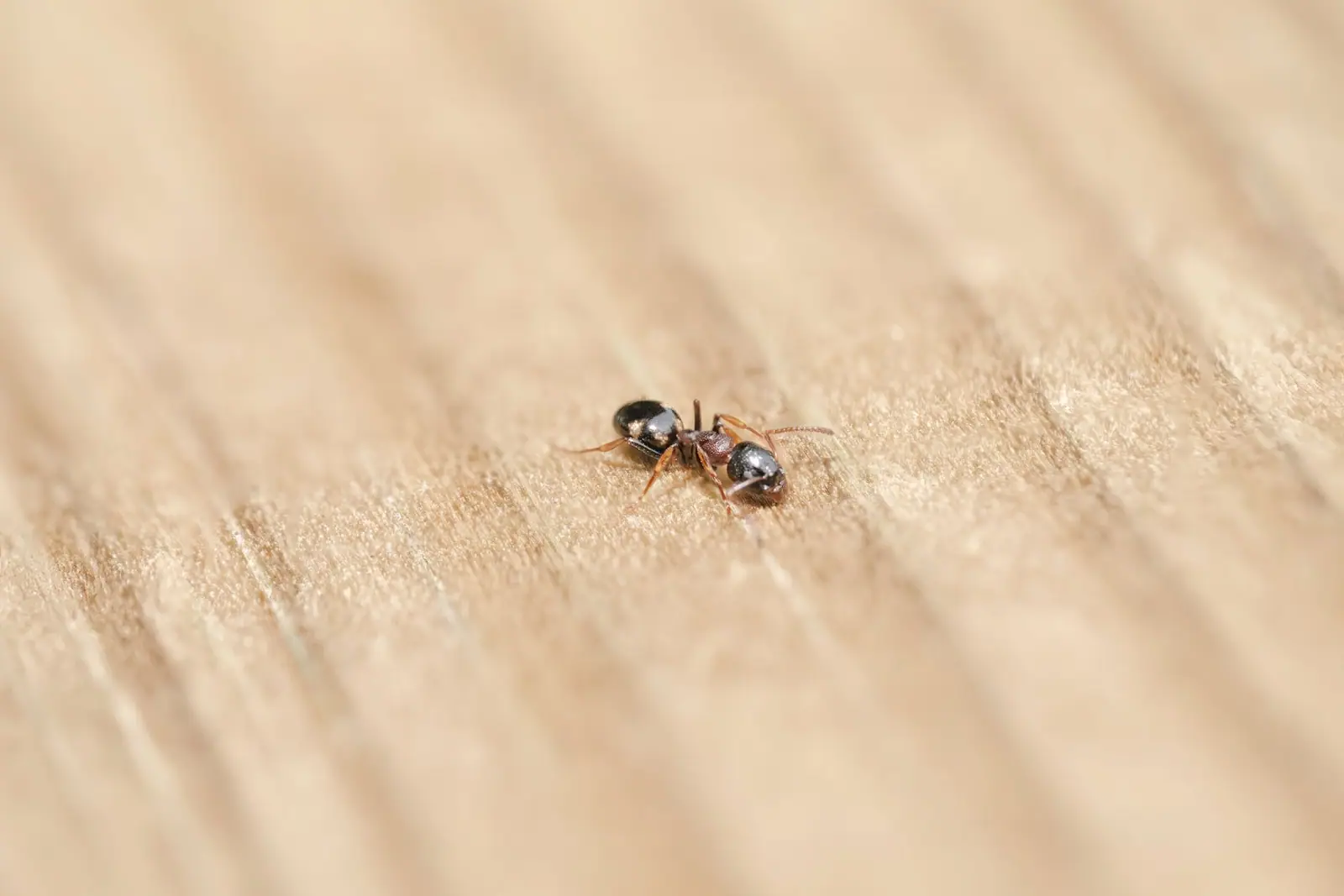
Record where the insect was found, the date, how many were seen and whether it came from a particular piece of wood, food package or room. Photograph it with scale and several views if this can be done safely. A sharp dorsal view may reveal a feature hidden in a blurry phone enlargement. A location note can distinguish a pantry insect in a food package from one merely found near a window.
Read the chosen lab’s preservation and shipping instructions before packing. Do not mail loose insects or assume every laboratory accepts the same container, liquid preservative or live organism. Contact the lab when there is a risk of escape, a legal shipping restriction or a damaged specimen. Confirm acceptance for out-of-state material rather than assuming an online payment makes it eligible.
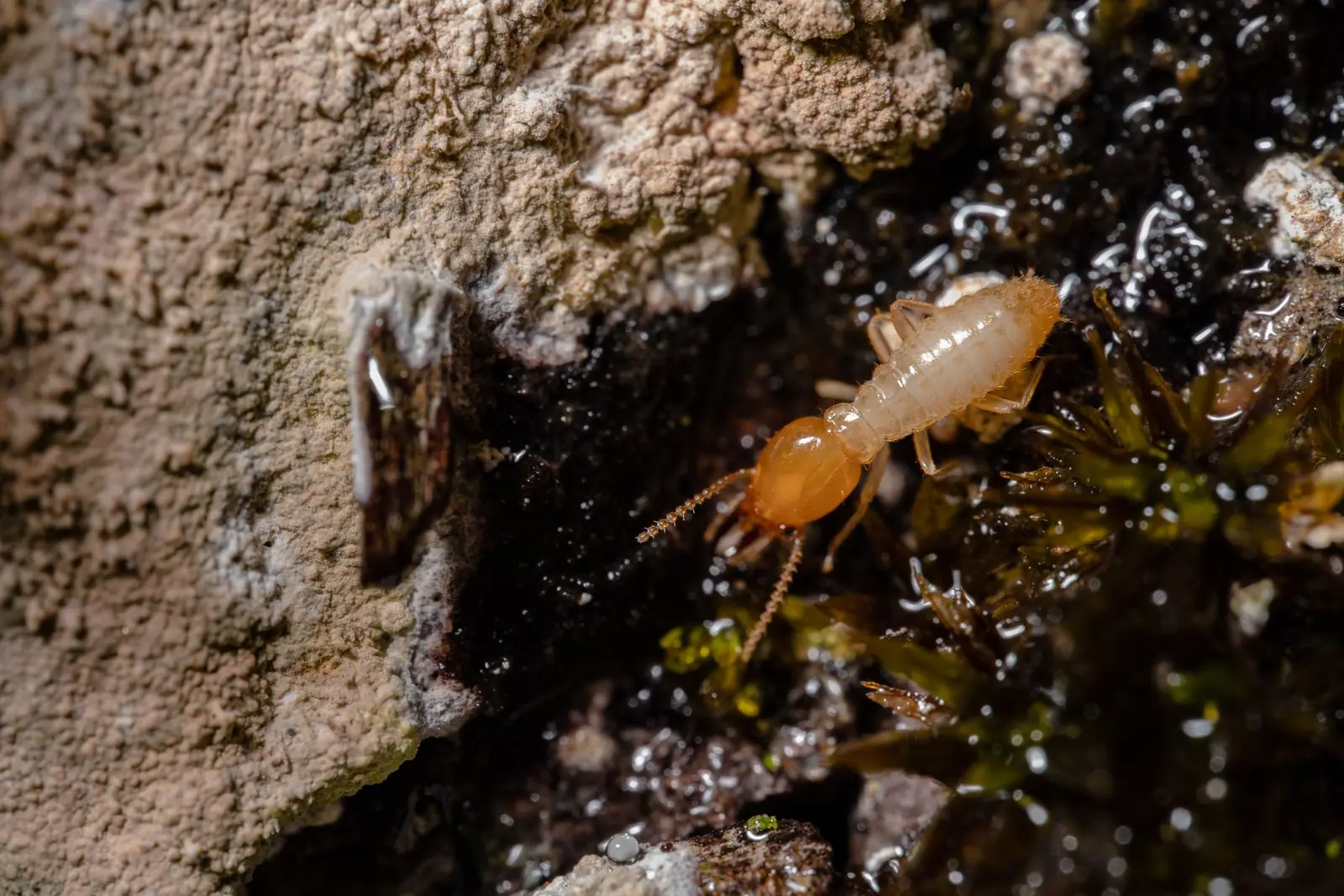
Keep the report with the specimen photographs. If a contractor recommends treatment for a different pest, ask what new evidence supports that finding. The termite identification guide explains why species and location matter for treatment options.
Rush service purchases time rather than certainty
UC Riverside’s routine public minimum is $24.80, while its urgent minimum is $49.60. The difference is $24.80 for the published processing category; further billable time can increase either amount. Confirm the appointment and submission timing, since shipping a sample slowly can erase the benefit of urgent processing.
An urgent fee does not make a poor photograph sufficient or guarantee identification to species. Ask what level of identification the material supports: insect family, genus or species. Some buying decisions need only a broad distinction, while others depend on a precise pest and its habits. The report should state its limits plainly.
If an infestation requires prompt attention, use the turnaround discussion to coordinate the inspection rather than delaying all action for a lab result. Preserve evidence and obtain the provider’s findings. A specimen identification and an on-site inspection can proceed as different parts of the same problem.
A specimen report does not replace a damage assessment
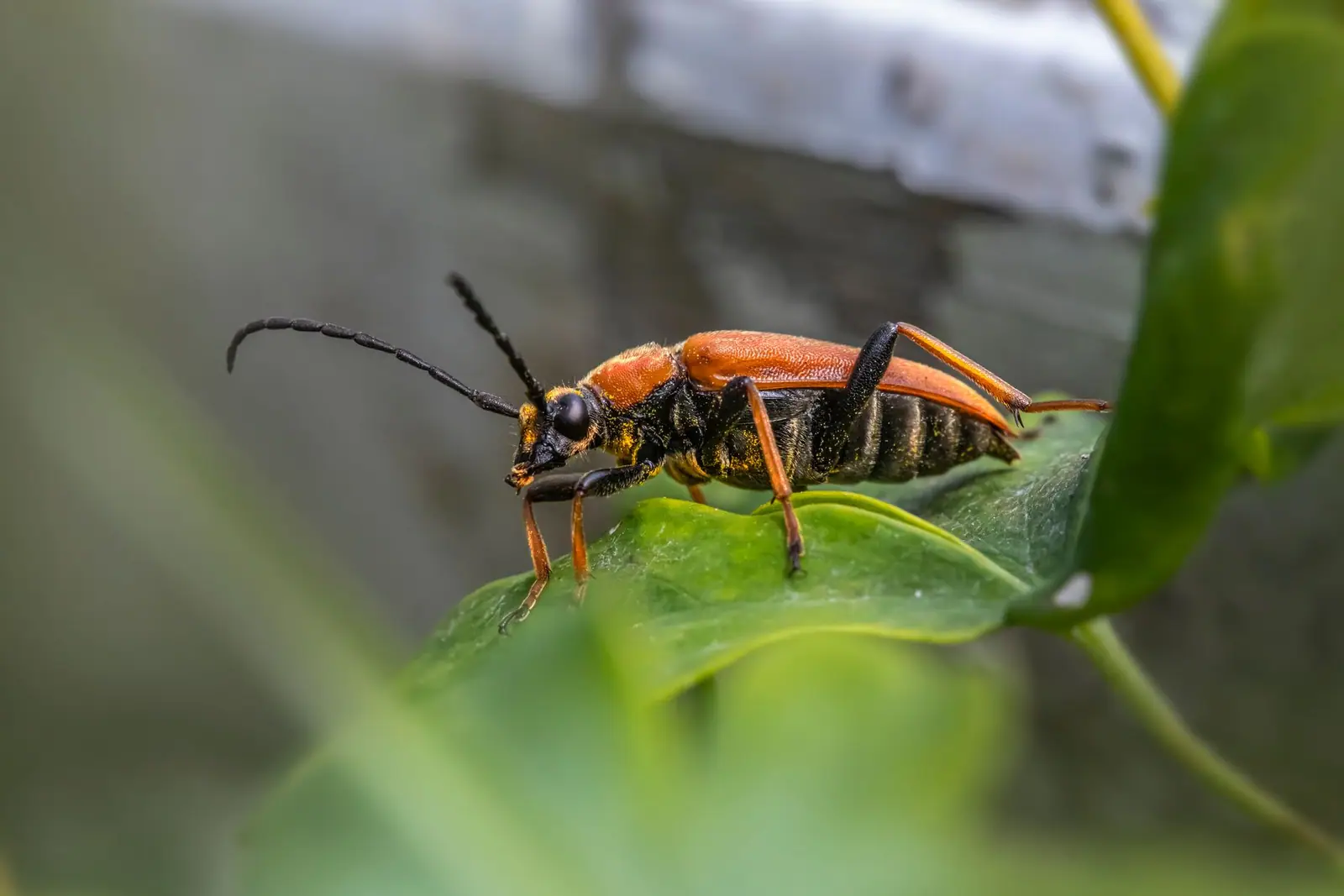
A confirmed wood-boring insect does not reveal the amount of affected framing. A bed bug specimen does not establish that only one mattress is involved. An ant collected outdoors does not prove the identity of every insect reported indoors. The next purchase may therefore be an inspection, not immediate treatment.
Do not use an insect laboratory report to diagnose bites or another medical condition. UC Riverside restricts medical and forensic submissions to medical personnel; seek healthcare assessment for symptoms.
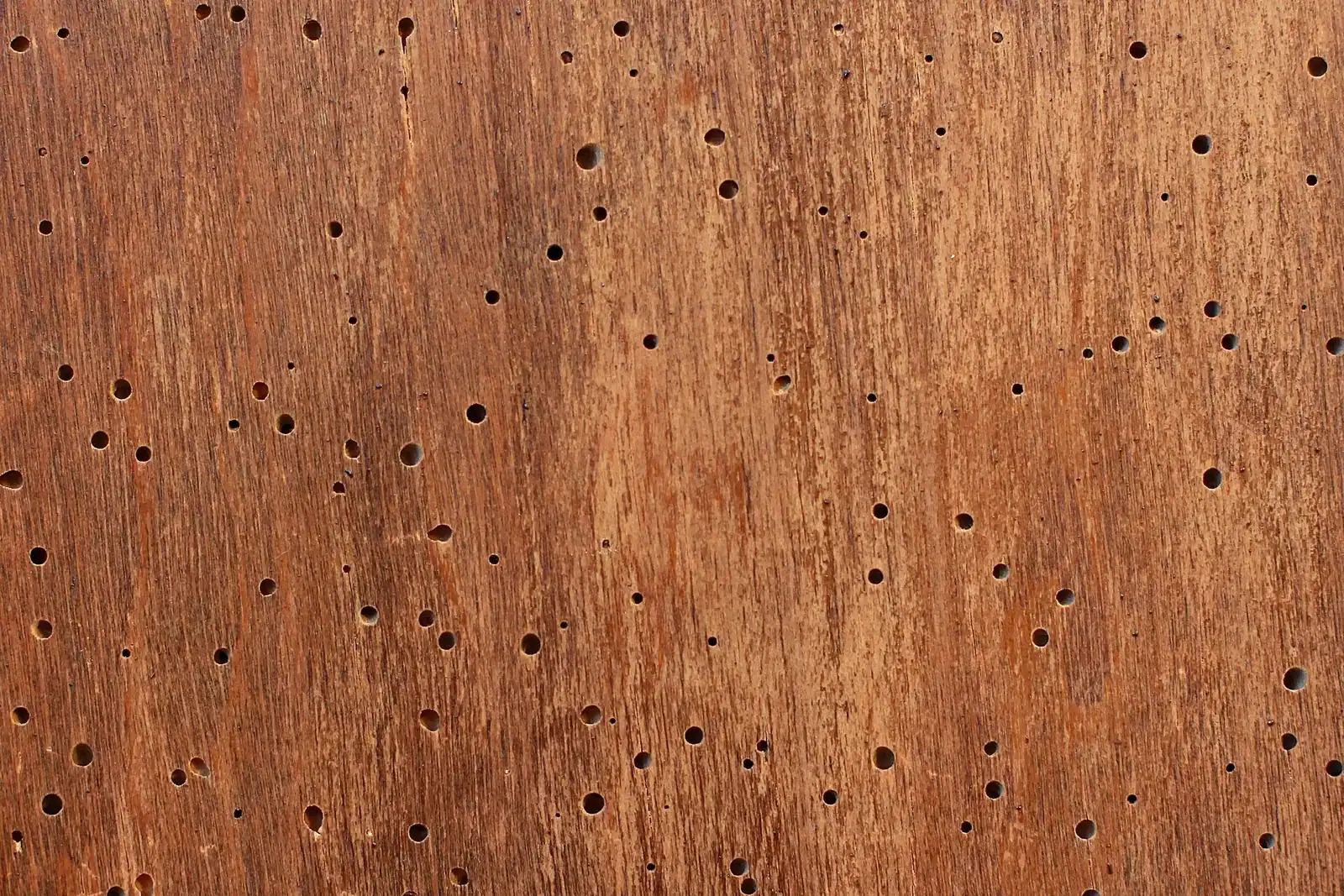
The wood-boring beetle quote guide separates insect evidence from moisture and structural work. The home pest-control budget separates these one-time decisions from recurring payments.
Identification is most valuable when it changes the next step. If a local extension service can identify a clear image free of charge, a paid lab may add little. If the specimen is uncertain and a costly treatment depends on it, a modest diagnostic fee can be a stronger first purchase than a generic spray or an annual plan. Retain the finding, ask what remains unknown, and spend next on the work that resolves that remaining question.
Questions people ask
Does Iowa State charge $90 when DNA is needed?
No. Its $75 DNA fee includes the $15 microscope service. It says failed DNA identification leaves only the basic identification fee payable.
Can a photograph be identified free?
Iowa State offers free photo identification but does not guarantee an answer from a photograph. A specimen or another method may still be requested.
Does urgent service guarantee a species name?
No. Urgent processing changes the time category, not the condition of the submitted material or the level of identification it supports.
Will a lab tell me what my house costs to treat?
A specimen lab identifies the submitted material. Building inspection, infestation extent, treatment scope and repair costs require separate findings and quotes.
Where these figures come from
- Insect identification services and fees Iowa State University Extension · yardandgarden.extension.iastate.edu
- Diagnostics and identification fees and turnaround University of California Riverside · entomology.ucr.edu
- Plant Diagnostic Laboratory fees per sample Rutgers Cooperative Extension · extension.rutgers.edu
Figures last checked October 2026.