On this page
Old stoves last. That is the problem: a heavy steel or cast iron box from the 1980s will keep producing heat long after the technology inside it has been superseded, so nothing forces the decision except a household deciding to make it.
Here is how to judge whether it is worth making.
Key figures
- 15 to 30 Uncertified stove emissions, grams per hour
- 2.0 g/h EPA new-stove emissions limit, crib-wood test
- 31 December 2025 Last eligible improvement date for federal stove credit
The size of the gap
EPA’s figures for the generations are unusually stark:
- Uncertified stoves: 15 to 30 grams of smoke per hour.
- Step 1 certified from 2015: no more than 4.5 g/h.
- Step 2 certified from 15 May 2020: 2.0 g/h on crib wood, 2.5 g/h on cord wood.
Smoke is unburned fuel. A stove emitting ten times as much smoke is sending a large share of each load up the chimney, where some of it condenses as creosote and the rest becomes a neighbourhood problem. The upgrade is not about compliance for most households; it is about burning less wood for the same heat and sweeping less often.
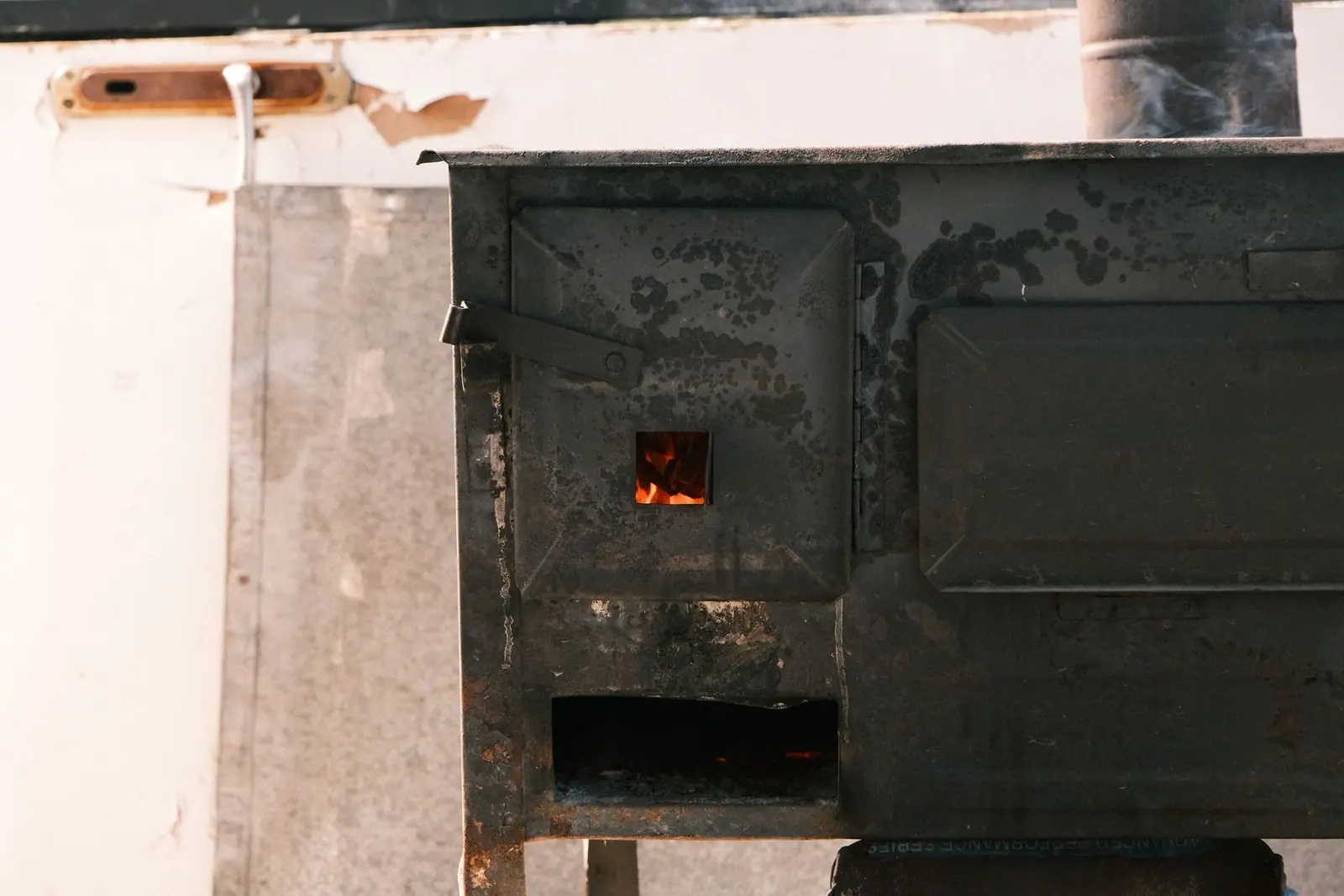
Signs your stove is past its useful life
- No certification label on the back.
- Warped or cracked plate, or firebricks crumbling beyond replacement.
- Door gaskets that no longer seal, so air enters where it should not and the fire cannot be controlled.
- A fire you cannot damp down without it going out, which usually means uncontrolled air leakage.
- Glass that blackens within minutes even on dry wood.
- Frequent creosote, with a sweep telling you the flue needs doing twice a season.
Ask about changeout programmes first
Some states, counties and air quality districts run stove changeout programmes, paying part of the cost of replacing an old uncertified stove with a certified one, sometimes with extra help for lower-income households. They exist because the emissions difference is so large, and they are administered locally rather than federally, so the only way to find yours is to ask.
Start with your state environmental agency or local air quality district, then the county. It is a short call and it occasionally pays for a third of the project.
What is no longer available is the federal credit: the IRS states the Energy Efficient Home Improvement Credit applies to improvements made through 31 December 2025, so a 2026 installation earns nothing federally.
The chimney is the real decision
Whether the existing chimney can serve the new stove is what separates a moderate project from an expensive one.
Check four things with the installer:
- Flue size. Modern stoves need a flue matched to their outlet. An old, wide masonry flue built for an open fireplace runs cool and draughts poorly, which promotes creosote.
- Condition. Cracked clay liners, a damaged crown, missing mortar and water ingress all have to be dealt with before a new stove is connected.
- Height and location. Draught problems that were tolerated with the old stove will not be fixed by a new one.
- Whether a liner is required. A correctly sized insulated stainless liner is often the answer, and it is a substantial part of the quote.
Before selling or giving away an uncertified stove, check the rules where you live. Some states and local air districts restrict the sale or installation of uncertified stoves, and changeout programmes typically require the old stove to be destroyed rather than resold, because the point is to take it out of service.
Doing the replacement properly
- Get the permit. Replacing an appliance normally requires one, and the inspection is measured against the new stove’s listed installation instructions.
- Recheck clearances. A new stove has its own required distances to combustibles, and they may differ from what the old installation got away with.
- Reassess floor protection. The hearth pad specification is part of the new stove’s listing.
- Tell your insurer. A permitted, inspected, certified installation is easier to declare than an inherited one nobody documented.
- Keep the paperwork: permit, inspection sign-off, manual, certification label photograph and installer’s invoice.
When to keep the old one
There is an honest case for keeping it: a sound, well-gasketed older stove in a workshop or a cabin used a few weekends a year, on a chimney in good condition, swept regularly and burned hot on dry wood. The emissions gap is real, but so is the cost of a full replacement project, and a stove used occasionally does far less of everything, including harm.
What is not defensible is running an uncertified stove hard, all winter, as a main heat source, on wood that was split last month.
Related reading: How to Read the Label on the Back of a Stove and What a Wood Stove Costs Once It Is Installed.
Questions people ask
How much cleaner is a new wood stove?
Roughly tenfold. EPA puts older uncertified stoves at 15 to 30 grams of smoke per hour, while stoves certified since 15 May 2020 are limited to 2.0 g/h on crib wood or 2.5 g/h on cord wood.
Is there help paying for a new stove?
Sometimes locally. States, counties and air quality districts run changeout programmes that contribute towards replacing an uncertified stove, occasionally with more for lower-income households. The federal tax credit ended with improvements made through 31 December 2025.
Can I use my existing chimney with a new stove?
Only if it is sound and correctly sized for the new appliance. Old flues built for open fireplaces are usually too large for a modern stove, which draughts poorly and builds creosote, so an insulated liner sized to the stove is often required.
Can I sell my old wood stove?
Check local rules first. Some states and air districts restrict the sale or installation of uncertified stoves, and changeout programmes normally require the old stove to be destroyed so that it leaves service permanently.
Where these figures come from
- Choosing the Right Wood-Burning Stove US Environmental Protection Agency, Burn Wise · epa.gov
- Energy Efficient Home Improvement Credit Internal Revenue Service · irs.gov
- Final 2020 New Source Performance Standards for Residential Wood Heaters US Environmental Protection Agency · epa.gov
- Heating Fire Safety US Fire Administration, FEMA · usfa.fema.gov
Figures last checked September 2026.