On this page
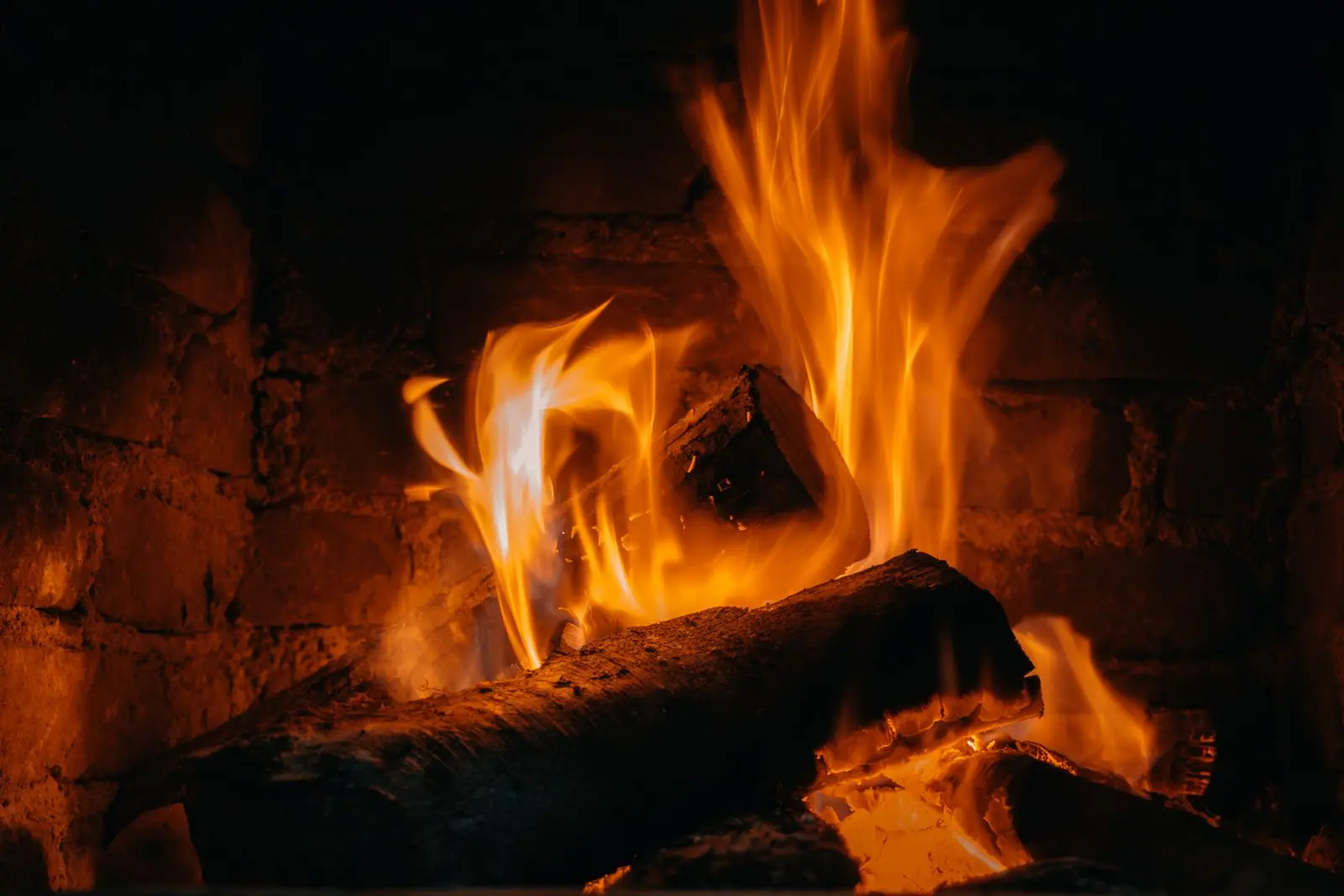
An open fireplace is a wonderful thing to sit in front of and a poor way to heat a house. The fire radiates heat into the room, and at the same time the chimney pulls a continuous column of air out of the house, air that your boiler, furnace or heat pump has already warmed. On a cold, still evening the net effect can be a room that feels lovely and a house that is colder than before.
That is the problem an insert solves.
Key figures
- 2.0 grams EPA crib-wood emissions limit, grams per hour
- 2.5 g/h EPA new-stove limit with a cord-wood test
- 15 to 30 Old uncertified stove emissions, grams per hour
What an insert is
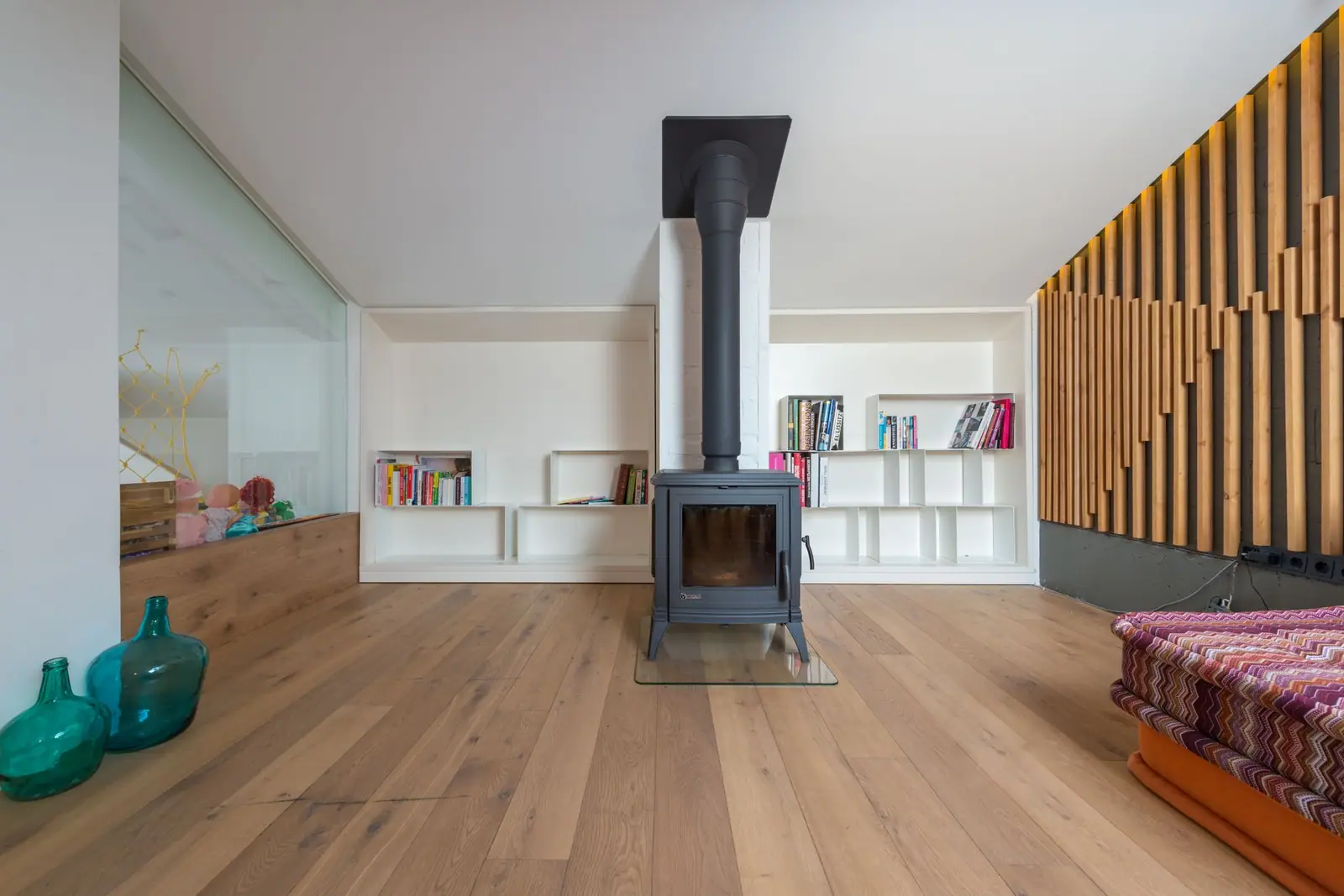
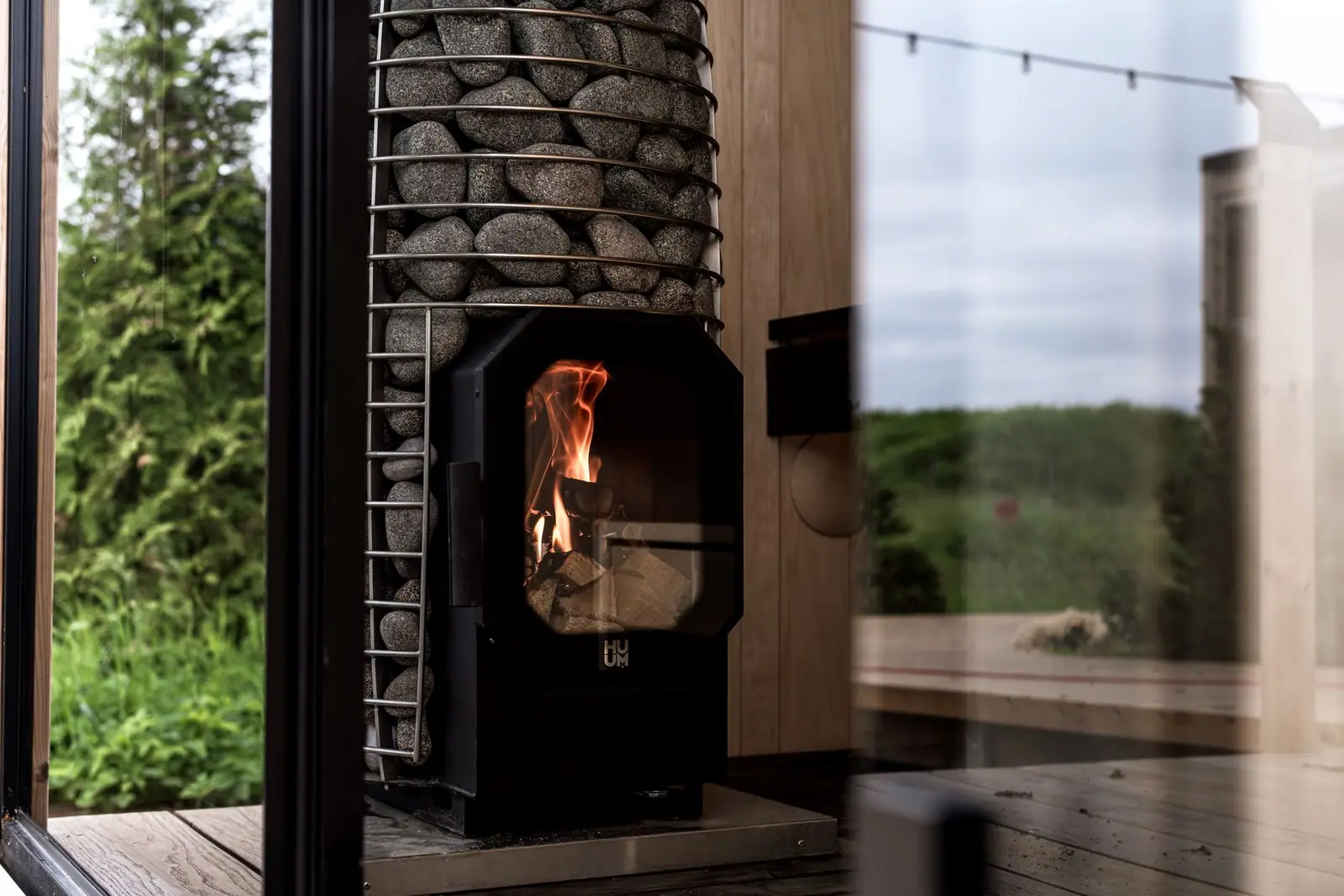
A fireplace insert is a stove designed to slide into an existing masonry fireplace opening. It has a sealed firebox and glass door, controlled air supply, and a flue connection that runs up the chimney inside a liner. In other words, it converts a hole in the wall into an appliance.
Because it is a stove, it is certified as one. Since 15 May 2020, new units must meet 2.0 grams of smoke per hour tested with crib wood, or 2.5 g/h with cord wood, against the 15 to 30 grams per hour of an old uncertified appliance.
The three parts of the job
The insert itself, sized to the fireplace opening and to the room it will heat rather than to the biggest opening available.
The liner. A correctly sized, usually insulated stainless liner running from the insert to the top of the chimney. This is the part occasionally left out of a cheap quote, and it is the part that makes the installation work: a small appliance venting into a large cold masonry flue draughts weakly and condenses creosote.
The surround and the hearth. A faceplate to close the opening, plus whatever floor protection the manufacturer’s listed instructions require.
What you gain and what you lose
Gain: controllable heat output, far less air pulled out of the house, longer burns, glass that stays clear if you burn dry wood, and much less smoke both outdoors and in the room.
Lose: the open fire itself, the smell, the crackle and the ability to toast anything. Some households keep an open fireplace in one room for that reason and heat with a stove elsewhere, which is a perfectly reasonable answer.
If you keep an open fireplace, treat the damper and the chimney with more respect rather than less. An open flue with a fire in it is the least controlled combustion in the house: burn only dry seasoned wood, use a screen, never leave it unattended, and have the chimney cleaned and inspected annually. The US Fire Administration’s clearance rule applies here too: nothing that can burn within three feet.
Questions for the installer
- What size insert fits this opening, and is that the right size for the room? These are two different questions and the answer to the second should win.
- What liner are you quoting? Diameter, material, insulation, and whether it runs the full height.
- Is the chimney sound? Crown, flashing, cap and existing clay liner condition.
- How is the insert removed for sweeping and service? Some designs make annual maintenance much easier than others.
- Is there a blower, and does it need a socket? Many inserts have an optional fan, which means a power supply at the fireplace and no fan assistance in a power cut.
- Permit and inspection: who pulls it and when.
Cheaper improvements to an open fireplace
If an insert is not in the budget this year, three smaller things genuinely help:
- Close the damper when there is no fire. An open damper is an open window all year.
- Fit a proper chimney cap to keep rain and animals out.
- Fit a fireplace door that seals reasonably well, which reduces the air the chimney draws when the fire has died down.
None of those turn an open fire into a heat source. They stop it being an active heat loss the rest of the time.
Related reading: Catalytic or Not: the Honest Comparison and Is Wood Heat Actually Cheaper? Do the Sum.
Questions people ask
Do open fireplaces heat a room?
They radiate heat towards you, while the chimney draws warm room air out of the house, so the net effect on the whole house is often negative. That is the difference between the fire feeling warm and the house being warmer.
Is a fireplace insert worth it?
If you want the fireplace to contribute heat rather than lose it, yes. An insert is a certified stove with a sealed door and controlled air, meeting the same 2.0 or 2.5 grams per hour limits as a freestanding stove, and it stops the fire from consuming heated room air.
Does an insert need a chimney liner?
In practice yes. Venting a small appliance into a large old masonry flue gives a cool, weak draught and heavy creosote. A correctly sized, usually insulated stainless liner running the full height is part of a proper installation.
Can I keep using my open fireplace safely?
Yes, with care: dry seasoned wood only, a screen, nothing that can burn within three feet, never unattended, the damper closed when not in use, and the chimney cleaned and inspected every year by a professional.
Where these figures come from
- Choosing the Right Wood-Burning Stove US Environmental Protection Agency, Burn Wise · epa.gov
- Heating Fire Safety US Fire Administration, FEMA · usfa.fema.gov
- Best Wood-Burning Practices US Environmental Protection Agency, Burn Wise · epa.gov
Figures last checked September 2026.