On this page
These two appliances look like variants of the same idea and behave like different machines. One is a fire you tend; the other is an appliance you feed and clean. Choosing between them is mostly a question about your winter, not about heat.
Key figures
- 70 to 83 percent Efficiency range for EPA-certified pellet stoves
- 8,000 to 90,000 Pellet-stove heat-output range, BTU per hour
What EPA says about pellet stoves
The figures are worth having before the showroom conversation:
- Efficiency: EPA-certified pellet stoves usually fall into the 70 to 83 percent range.
- Output: heating capacities range from 8,000 to 90,000 BTU per hour, which spans a single room to a large house.
- Electricity: pellet stoves need power for the motorised parts that feed fuel and distribute heat. A few gravity-fed models exist but are uncommon.
- Fuel quality: third-party pellet certification programmes exist in the US and elsewhere, and many manufacturers recommend using pellets from qualified producers.
- Maintenance: they need regular cleaning to run efficiently and safely, plus professional cleaning at least once a year.
- Creosote: used correctly they produce very little smoke or creosote, which EPA notes is the main cause of chimney fires.
The honest comparison
| Wood stove | Pellet stove | |
|---|---|---|
| Works without electricity | Yes | Usually no |
| Fuel | Cord wood, local and variable | Bagged pellets, bought by weight |
| Labour | Cutting, splitting, stacking, drying | Carrying and tipping bags |
| Storage | A woodshed and space | A pallet, kept dry |
| Daily routine | Build and tend a fire | Fill the hopper, set a thermostat |
| Cleaning | Ash, glass, annual sweep | Frequent ash and burn-pot cleaning, annual professional clean |
| Creosote risk | Real, managed by dry wood and hot fires | Very low |
| Noise | None | Fans and auger |
| Heat feel | Radiant, slow, uneven | Convective, controllable, thermostat-driven |
The power cut question
This is the decision for many households, and it deserves to be asked plainly: what happens on the coldest night of the year when the power fails for two days?
A wood stove keeps working. A pellet stove stops, unless it is one of the rare gravity-fed models or you have a battery or generator sized to run it. If your reason for installing a stove is resilience, that answer is most of the decision.
If your reason is convenience and clean, controllable heat with less labour, the pellet stove is the better appliance, and the power question becomes a smaller planning item: a modest battery backup can run many pellet stoves for hours.
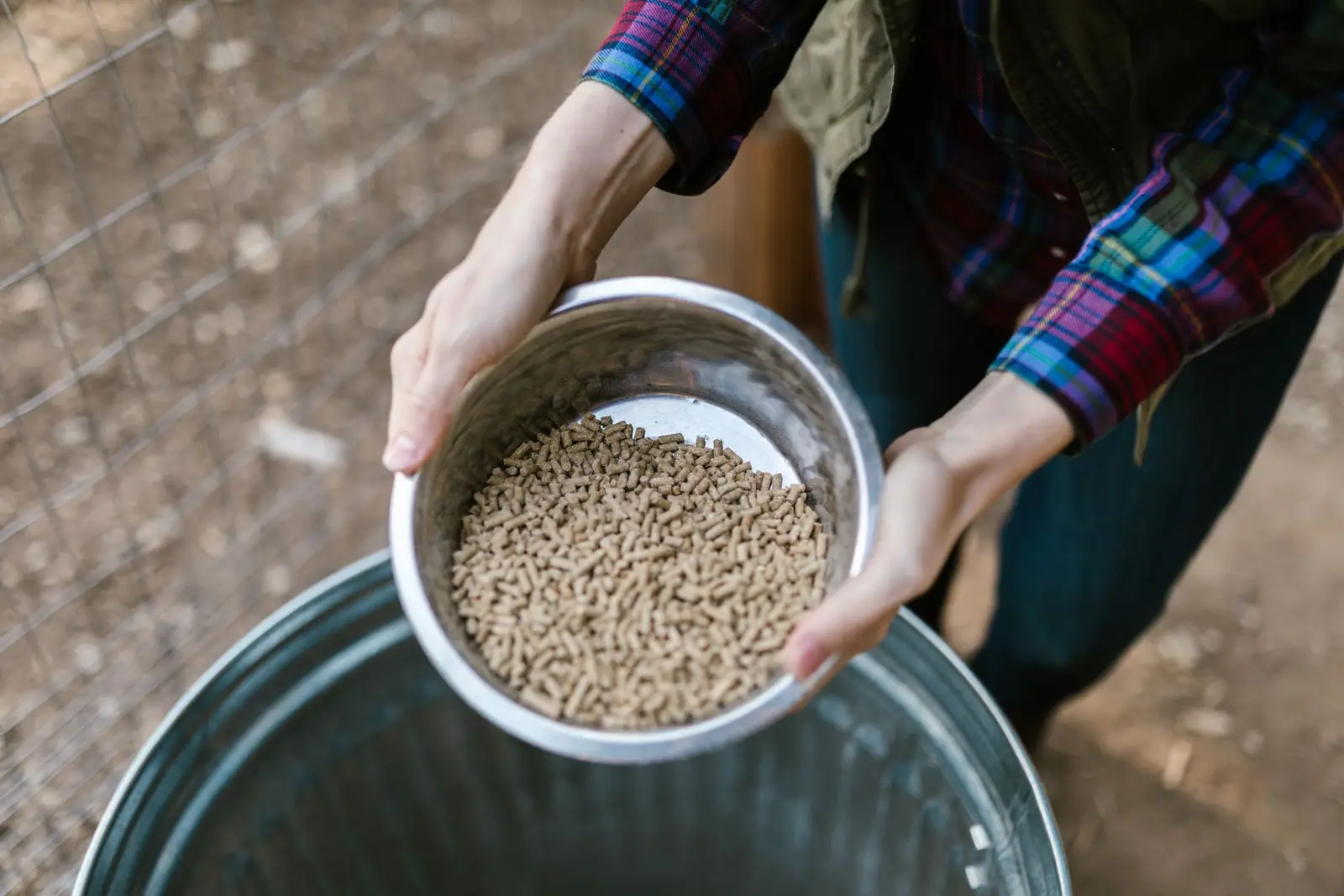
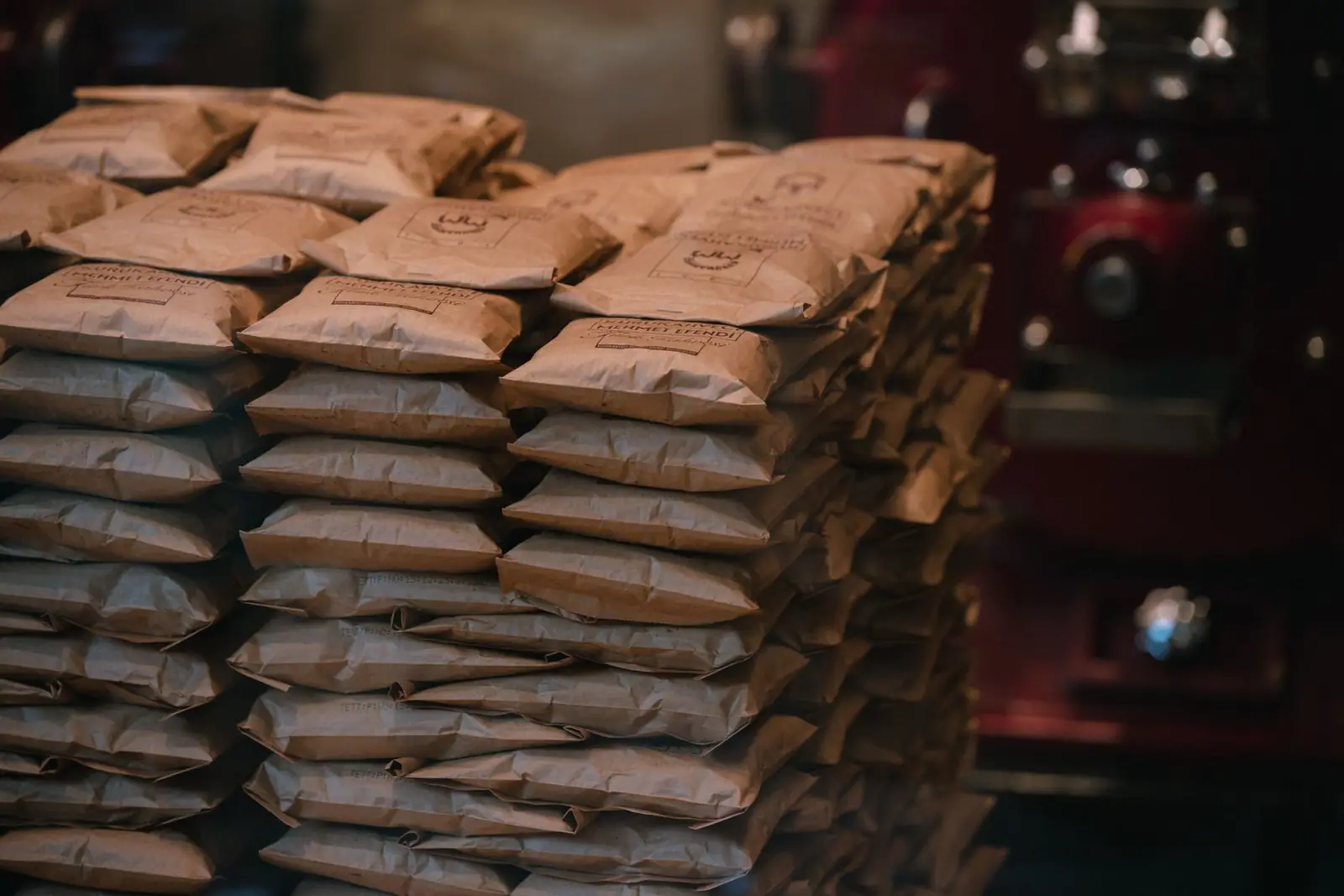
Pellet quality is not cosmetic. Cheap or damp pellets produce more ash, clog the burn pot and make the stove work harder for less heat. Buy a bag or two of a brand before committing to a pallet of it, and store pellets somewhere genuinely dry, off the floor.
Cost shapes, not price tags
Prices move too much by region and year to quote, but the shape of each cost is stable.
Wood stove: a higher share of the total is the chimney, and the recurring cost is either money for delivered cord wood or a great deal of your own time. Maintenance is an annual sweep plus consumables such as firebricks, gaskets and, on a catalytic model, the combustor.
Pellet stove: installation is often simpler, since many vent horizontally through a wall rather than needing a full chimney. The recurring costs are pellets by the ton, electricity, and frequent cleaning, with a professional service at least annually. Motors, augers and control boards are the parts that eventually fail.
Who should choose which
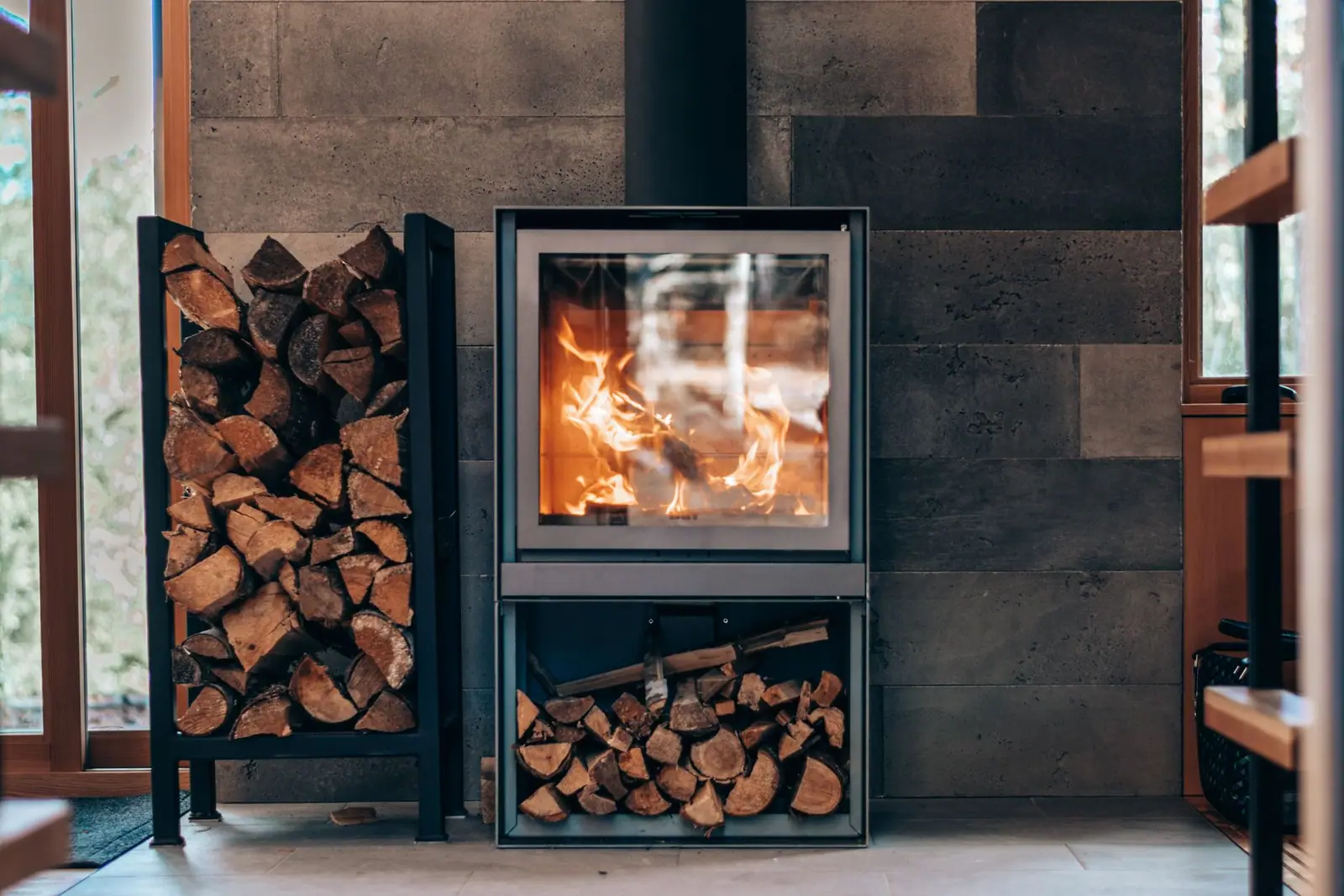
Choose wood if: you have access to affordable or free wood, you want heat that survives an outage, you enjoy the process, and you have somewhere dry to season a couple of years of fuel.
Choose pellets if: you want thermostat control and minimal daily fuss, you have dry storage and a reliable local supply, you can live with fan noise, and losing heat in a long power cut is acceptable or you will back it up.
Choose neither if: nobody in the house will do the cleaning. Both appliances punish neglect, one with creosote and one with a clogged burn pot.
Related reading: What a Wood Stove Costs Once It Is Installed and Price Stove Glass as a Compatible Installed Repair.
Questions people ask
Are pellet stoves more efficient than wood stoves?
EPA-certified pellet stoves usually fall in the 70 to 83 percent efficiency range and are described as typically cleaner and more efficient than wood stoves, partly because the fuel is uniform and dry. A well-run modern wood stove on dry wood narrows the gap.
Do pellet stoves work without electricity?
Most do not. They use motorised parts to feed pellets and move heat, so a power cut stops them. Some gravity-fed models exist but are uncommon, and battery backup is the usual workaround.
Do pellet stoves cause chimney fires?
Very rarely. EPA notes that used correctly they produce very little smoke or creosote, and creosote is the main cause of chimney fires. They still need frequent cleaning and a professional service at least once a year.
How much maintenance does a pellet stove need?
Regular owner cleaning of the burn pot, ash and glass, often weekly in heavy use, plus a professional cleaning at least annually. Skipping it shows up as poor heat output, more ash and eventually a jammed auger.
Where these figures come from
- Pellet Stoves US Environmental Protection Agency, Burn Wise · epa.gov
- Choosing the Right Wood-Burning Stove US Environmental Protection Agency, Burn Wise · epa.gov
- Wood and Wood Waste US Energy Information Administration · eia.gov
Figures last checked September 2026.