On this page
Heat and cold are the most useful tools a household has against bed bugs, and the most misused. People turn the heating up to eighty, put a bag in a freezer that never gets properly cold, or wash sheets and put them straight back on the bed. None of those reach the temperatures that matter.
The EPA publishes specific numbers. Here they are, in one place, with the reasons each one works or fails.
Key figures
- 30 minutes EPA high-heat clothes-dryer treatment time
- 130°F Minimum steam temperature at the treated surface
The numbers
- Bed bug body temperature at death113°F
- Room or furniture heat, held 90 minutes120°F
- Steam at the surface130°F
From EPA guidance. 113°F is the body temperature at which bed bugs die; 120°F for 90 minutes is the standard for heating rooms and furniture so eggs die too; 130°F is the minimum for steam at the surface. The air in a room must run hotter than the target to push heat into hiding places.
The gap between 113 and 120 is the point. A bed bug inside a mattress, a sofa cushion or a wall void is insulated. The EPA’s top ten tips say it directly: to kill bed bugs with heat, the room or container must be even hotter to ensure sustained heat reaches the bugs no matter where they are hiding.
The dryer is your best tool
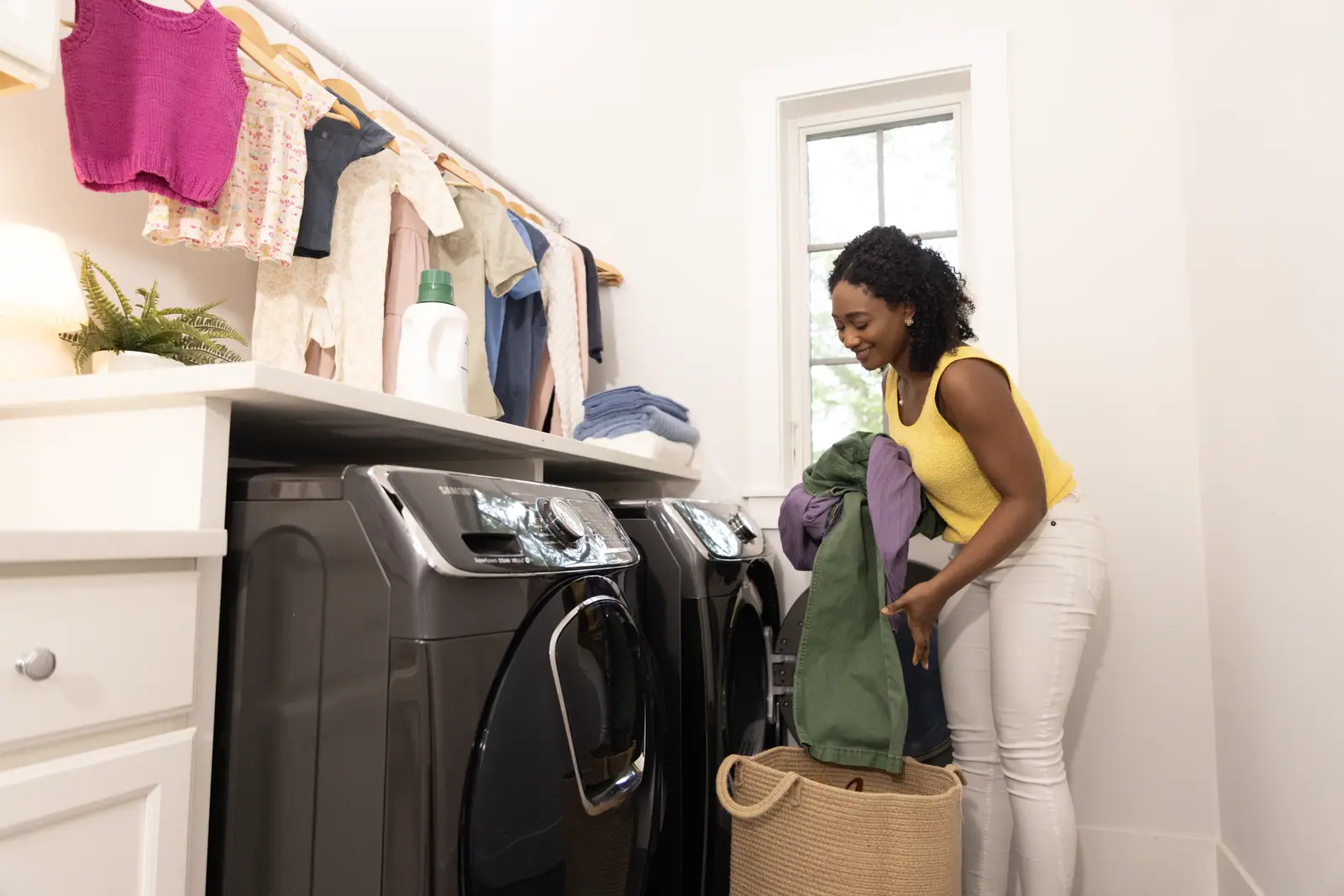
The EPA says to put bedding and clothing in the dryer at high temperatures for 30 minutes to kill bed bugs, and notes that just washing will generally not kill them.
A few practical rules make it work:
- Dry, do not only wash. Wash first if you want the laundry clean, then dry on high for the full time.
- Do not overload. A packed drum heats unevenly.
- Bag items in the room before carrying them to the machine, and put the bag straight in the dryer or empty it directly into the drum.
- Use the dryer for shoes, soft toys and backpacks where the care label allows it.
- Keep clean items sealed until the treatment of the room is finished.
Steam
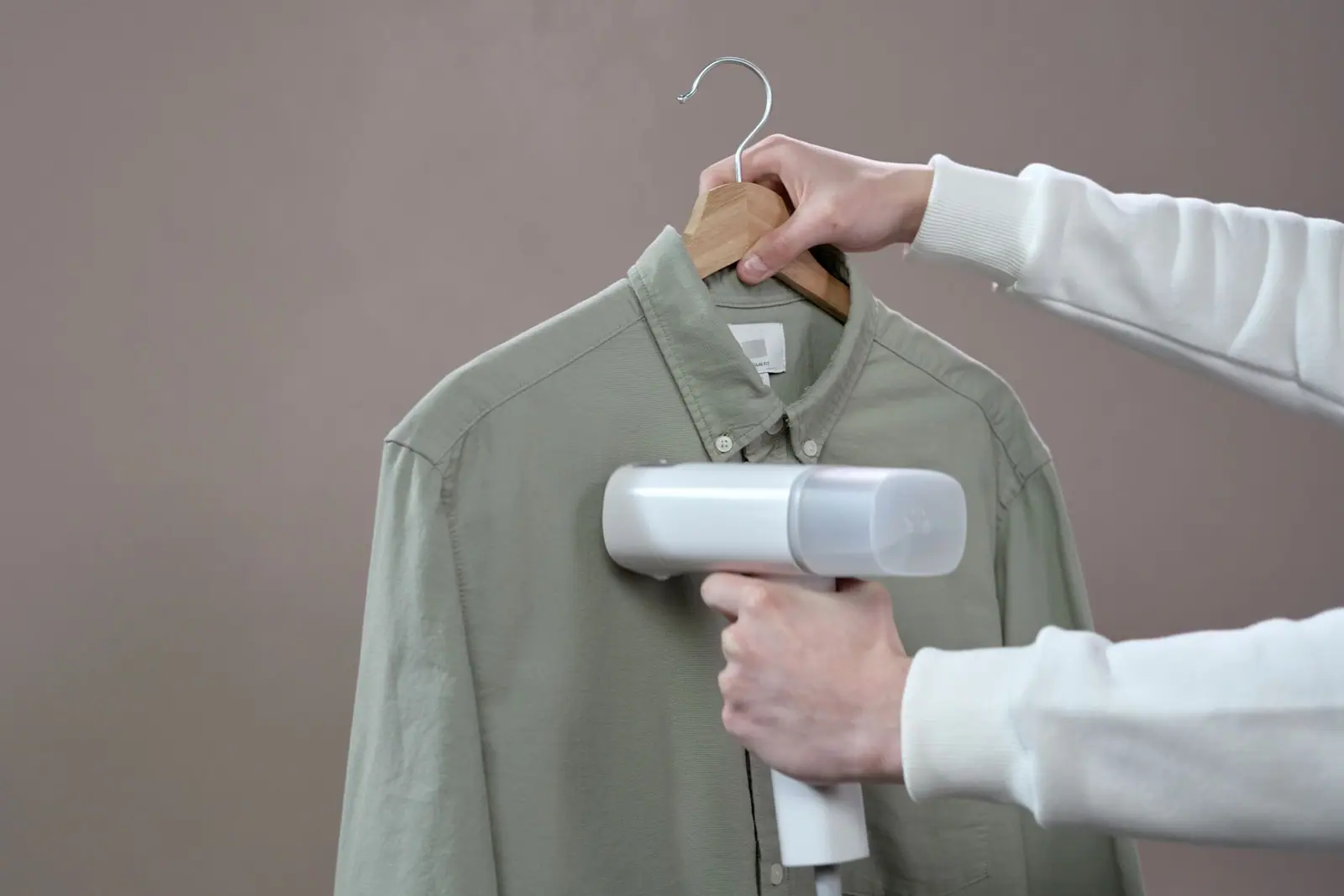
The EPA sets the minimum: steam temperature must be at least 130°F. It adds that the steamer should not have forceful airflow, which can scatter bed bugs instead of killing them.
Steam is useful for mattress seams, tufts, bed frame joints, sofa edges and carpet edges. It is slow work. Move the nozzle slowly, and treat the steamer as one tool among several, not the treatment itself.
Whole-room and whole-house heat
This is professional work. The EPA’s guidance is to heat infested areas, whether a room or an entire house, to at least 120°F for 90 minutes to ensure that eggs are killed. The higher the temperature, the shorter the exposure needed.
It needs purpose-built heaters, fans to move the air, and temperature sensors placed in the hardest spots. The EPA says to choose professionals with strong references, because it has to be done properly.
Do not try this with your house. The EPA warns explicitly: do not try to kill bed bugs by increasing your indoor temperature with a thermostat, propane space heater or fireplace. It does not work, because a thermostat will never get a room anywhere near 120°F, and it is dangerous, because portable heaters near bedding and clutter are a fire risk.
Cold: slower and less reliable
Cold kills bed bugs too, but it asks for more than most home freezers can give.
- The EPA’s do-it-yourself guide says items must stay in a sealed bag in a freezer set to 0°F for three days.
- The EPA’s integrated pest management guide says below 0°F for at least four days.
The difference between those pages is a reason to take the longer figure. Both pages make the other condition clear: always use a thermometer, because many home freezers are not actually at 0°F. The EPA’s top ten tips go further and say do-it-yourself freezing may not be a reliable method for bed bug control.
Cold is best kept for small items that cannot take heat: some electronics, books, certain ornaments.
A hot car is a gamble
The EPA mentions black plastic bags in a hot, closed car in the sun as a way to heat luggage or small items, but only if the contents become hot enough. That is the whole difficulty. Without a thermometer inside the bag, you do not know whether the middle of a suitcase reached 120°F or 95°F.
If you try it, put a thermometer in the center of the load and treat it as a supplement to other methods.
Putting it together
- Bag fabric items in the infested room.
- Dry them on high for 30 minutes, then keep them sealed.
- Steam seams, tufts and joints at 130°F or more with low airflow.
- Freeze small heat-sensitive items at 0°F or below for at least four days, with a thermometer.
- Fit encasements on the mattress and box spring and leave them on for a year, as the EPA recommends.
- Call a professional for rooms and furniture, where heat to 120°F for 90 minutes is the standard to hold them to.
Related reading: Pay for Pest Identification Before Buying Treatment and The Bug Bomb Is the Wrong Tool.
Questions people ask
What temperature kills bed bugs?
Bed bugs die when their body temperature reaches 113°F, according to the EPA. To make sure heat reaches them and their eggs in hiding places, the EPA's standard for rooms and furniture is at least 120°F held for 90 minutes.
Does washing clothes kill bed bugs?
Washing alone generally will not, the EPA says. Put bedding and clothing in the dryer at high temperatures for 30 minutes, which does kill them.
Can I kill bed bugs by turning up the heat in my house?
No. The EPA warns that raising the indoor temperature with a thermostat, propane space heater or fireplace does not work and is dangerous. Whole-room heat treatment needs professional equipment.
Does freezing kill bed bugs?
It can, but only at 0°F or below, held for days: EPA pages give three days and four days. Use a thermometer, since many home freezers are not that cold, and treat freezing as a method for small items, not a whole infestation.
Where these figures come from
- Top Ten Tips to Prevent or Control Bed Bugs US Environmental Protection Agency · epa.gov
- Controlling Bed Bugs Using Integrated Pest Management US Environmental Protection Agency · epa.gov
- Do-it-yourself Bed Bug Control US Environmental Protection Agency · epa.gov
Figures last checked September 2026.