On this page
The fogger is the most satisfying product in the pest aisle. You pull a tab, leave the house for a few hours, and come back to a room that smells like it has been dealt with. It feels like the most thorough option available.
It is usually the least effective, and for bed bugs and German cockroaches it can make the problem harder to fix.
Key figures
- 120°F Professional bed-bug heat treatment minimum temperature
- 90 minutes Time at the minimum bed-bug treatment temperature
Why a fog misses the target
A total release fogger fills the air with a fine insecticide mist that settles on exposed surfaces: the floor, the tops of furniture, the open middle of a room.
The pests you are fighting do not live there.
- Bed bugs hide in mattress seams, box spring frames, the joints of bed frames, behind headboards, in baseboards and in the cracks of furniture.
- German cockroaches harbor in crevices behind appliances, inside cabinet hinges, under sinks and in wall voids near warmth and water.
The EPA’s explanation is precise: the pesticides used in total release foggers must contact the pest to kill it, and if the material does not reach the cracks and crevices where bed bugs are hiding, they will not be killed. UC IPM says the same of cockroaches: foggers and aerosol sprays are often ineffective because they do not reach the crevices where cockroaches harbor.

It can make things worse
UC IPM adds the second problem. Foggers and sprays may repel cockroaches and disperse them to other areas of the building. The same logic worries bed bug specialists: pests that sense a treated room move deeper into walls, into the next room, or through shared walls into a neighbor’s apartment.
So after a fogger, you may have fewer visible insects in one room and a larger area to treat.
The safety side
Foggers are registered and can be used safely according to the label, as the EPA notes. But the misuse is common, and the risk is not trivial.
- Explosion. The EPA warns: only use the number of foggers required for your space. More is not better, and too much could cause an explosion. Turn off pilot lights and unplug appliances.
- Re-entry. Leave as directed by the label and do not return until the time listed has passed.
- Residue. Fog settles on every exposed surface, including kitchen counters, toys and food-preparation areas.
Not all foggers are labeled for bed bugs, as the EPA points out, so read the label before buying. The label is the law, and using a product on a pest or in a place it is not labeled for is a violation of federal law, not just a mistake. If the pest is not listed on the label, the product is the wrong product.
What to use instead
For cockroaches. Baits. UC IPM calls baits the primary pesticides used to treat cockroach infestations, because roaches eat them and carry them back into their harborage. Pair them with sanitation and sticky traps to see where the problem is worst.
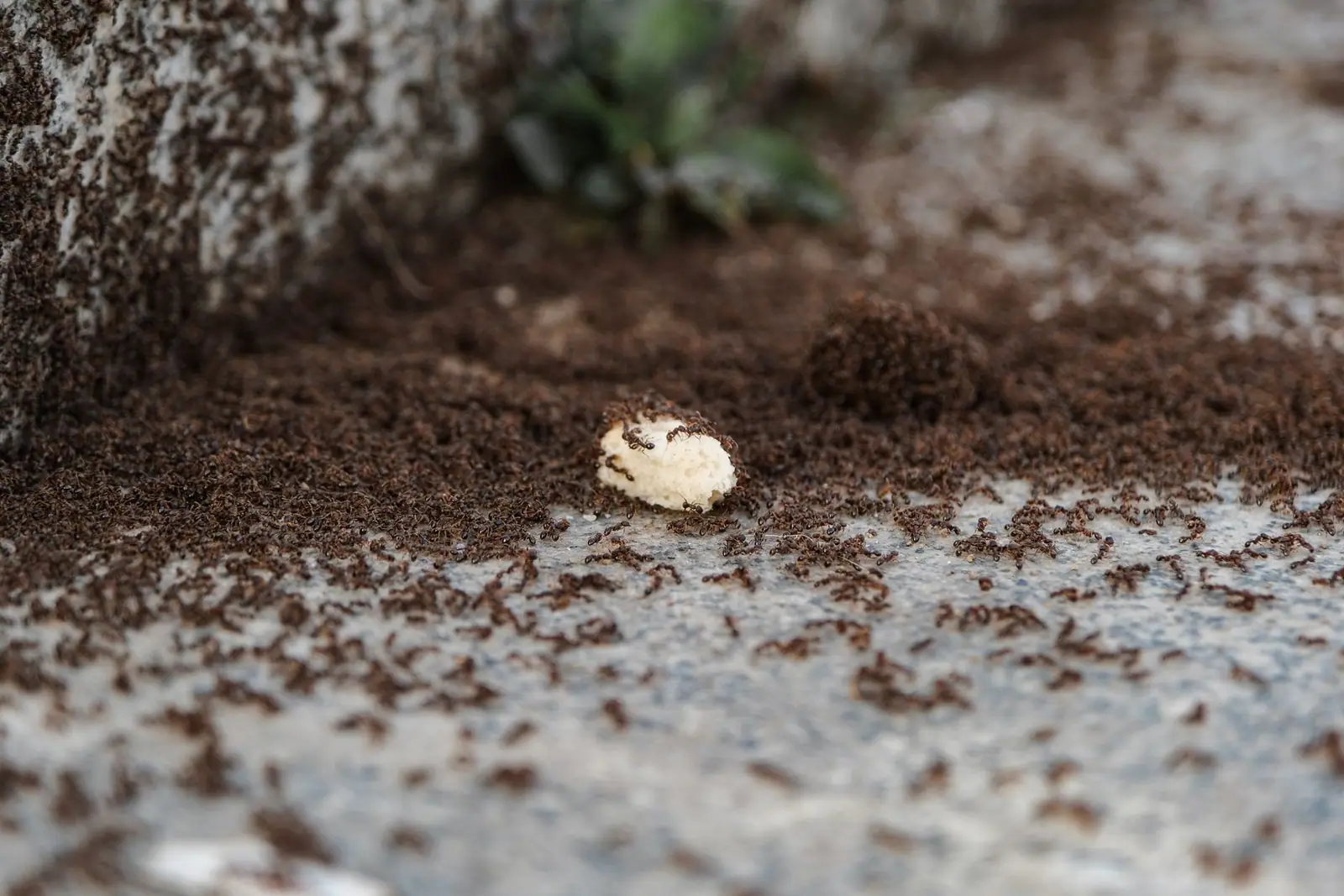
For ants. Baits again, and ideally outdoors along the trail. Spraying the ants you can see indoors, UC IPM says, will not prevent more from entering.
For bed bugs. The EPA’s combination: heat for bedding and clothing in the dryer, encasements, steam for seams and joints, reduced clutter, and professional treatment where needed, whether heat to 120°F for 90 minutes or a targeted product applied into cracks and crevices.
For fleas. Treating the pet, with advice from your veterinarian, and vacuuming thoroughly are central. A fog does little for eggs and larvae deep in carpet fibers.
If you have already used one
- Air the room as the label directs and wipe food-contact surfaces.
- Do not use a second one. If the first did not work, a second will not either.
- Look closely at where the insects are now. They may have moved.
- Switch to a targeted method for the actual pest: baits for roaches and ants, heat and crevice treatment for bed bugs.
- If you are in an apartment, tell your landlord, because dispersal can push the problem next door.
Related reading: The Temperatures That Actually Kill Bed Bugs and Is the Recurring Pest Control Contract Worth It?.
Questions people ask
Do bug bombs work on bed bugs?
Not reliably. The EPA says foggers should not be used as the sole source of bed bug control, because the pesticide must contact the insect and does not reach the cracks and crevices where bed bugs hide.
Do foggers work for cockroaches?
UC IPM says foggers and aerosol sprays are often ineffective against cockroaches because they do not reach the crevices where roaches harbor, and they may disperse cockroaches to other areas. Baits are the primary treatment.
Can a bug bomb explode?
Yes, if misused. The EPA warns that using more foggers than a space needs could cause an explosion, and advises turning off pilot lights and unplugging appliances before use.
What should I use instead of a fogger?
Match the method to the pest: baits for cockroaches and ants, and for bed bugs a combination of dryer heat, encasements, steam and professional heat or crevice treatment.
Where these figures come from
- Should I Use a Fogger? US Environmental Protection Agency · epa.gov
- Cockroaches Management Guidelines University of California Statewide IPM Program · ipm.ucanr.edu
- Ants Management Guidelines University of California Statewide IPM Program · ipm.ucanr.edu
- Introduction to Pesticide Labels US Environmental Protection Agency · epa.gov
Figures last checked September 2026.