On this page
A bare yard after construction, or a lawn too far gone to rescue, leaves two choices: sow seed and wait, or roll out sod and walk on it within weeks.
University extension services put it simply. Seeding is less expensive but takes longer to establish. Sod costs more but gives immediate results. The details decide which fits your yard.
The real difference is time
Seed germinates in days to a few weeks depending on the grass, but a seeded lawn needs most of a growing season before it handles heavy use. Sod looks finished the day it goes down and roots in within a few weeks if kept watered.
| Seed | Sod | |
|---|---|---|
| Material cost | Low | High |
| Time to usable lawn | Months | Weeks |
| Best timing (cool-season) | Late summer to early fall | Most of the growing season |
| Grass choice | Wide | Whatever the farm grows |
| Erosion on slopes | Seed can wash away | Holds soil immediately |
| Watering early on | Light and frequent | Deep and daily at first |
When seed is the better choice
- Budget matters and the area is large.
- You can time it right. Illinois Extension calls late summer to early fall the ideal time to seed a cool-season lawn, when soil is warm and weeds are slowing down.
- You want a specific grass, such as a shade mix or a drought-tolerant fescue.
- The yard can stay off-limits for a season.
When sod is worth the money
- Slopes and bare soil that erodes. Sod holds soil from day one.
- You need the yard soon, for children, dogs or a sale.
- Spring or summer projects, when seeding faces weeds and heat.
- Small areas where the cost difference is modest.
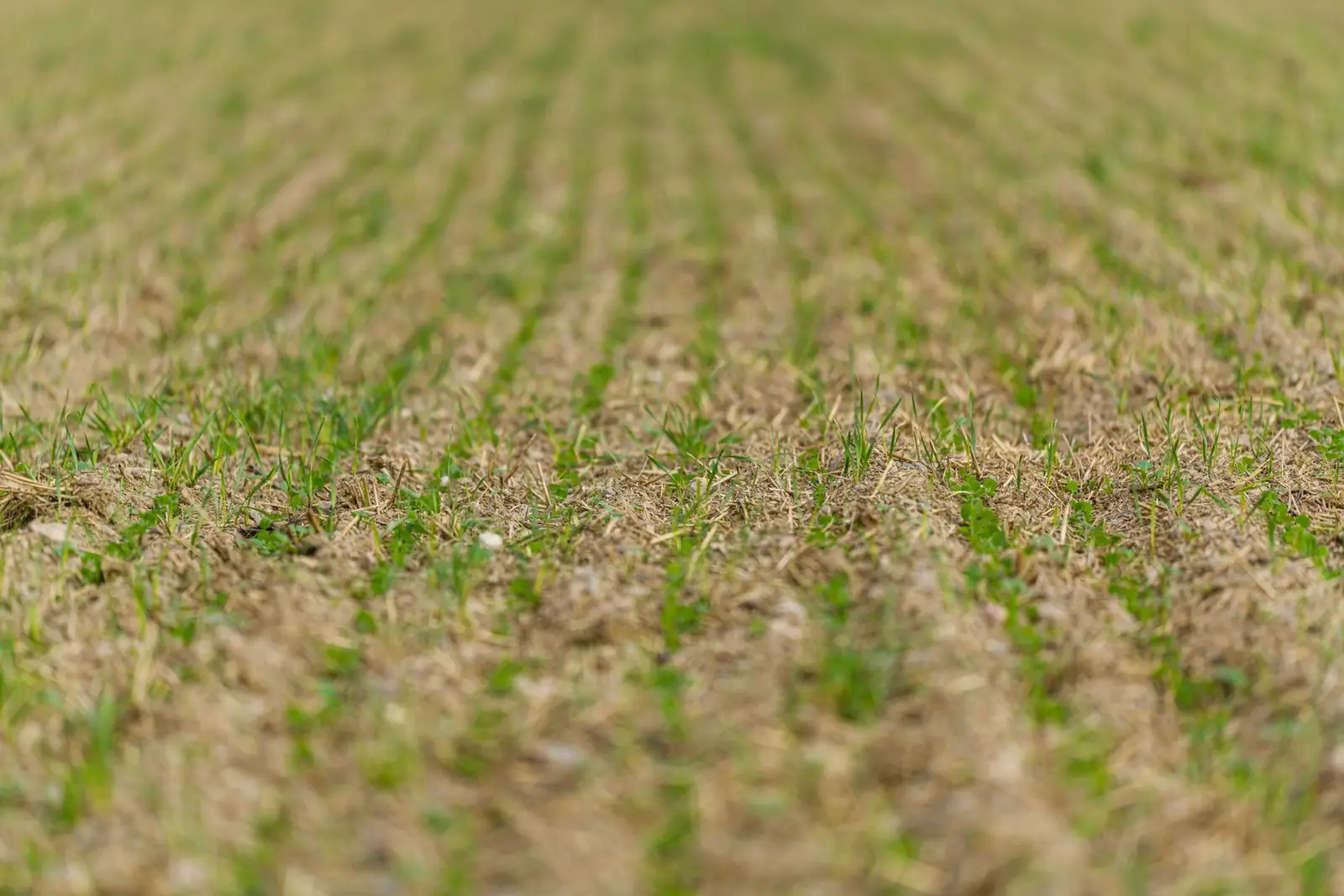
Preparation is the same either way
- Test the soil and correct pH or nutrients before planting.
- Remove debris and loosen compacted ground.
- Grade so water drains away from the house.
- Firm the surface so it does not sink unevenly.
- Plan the watering. Neither option survives a dry first month.
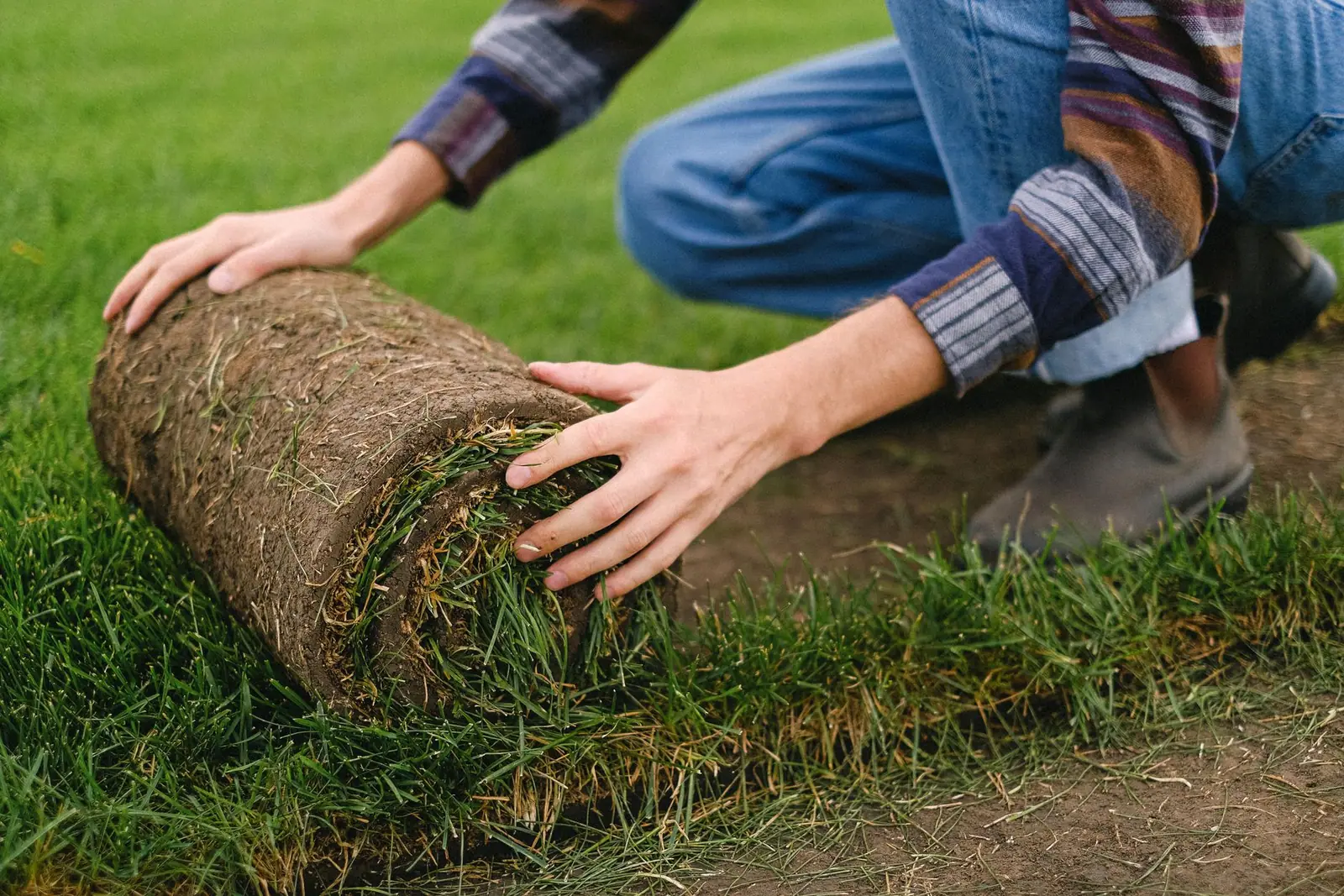
Sod is alive and heats up on the pallet. Illinois Extension advises buying freshly cut sod and installing it promptly on a prepared, firm soil bed.
Related reading: Compare Mulch by the Cost of a Finished Bed and Brown Patches in the Lawn: Grubs, Drought or Dog?.
Questions people ask
Is sod better than seed?
Neither is better in the long run. A well-prepared seeded lawn can match sod. Sod wins on speed and erosion; seed wins on cost and grass choice.
When is the best time to lay sod?
Sod can go down through most of the growing season if watered well. Cool, moist spring and early fall weather make it easiest.
Can I lay sod over existing grass?
It is not recommended. Remove or kill the old turf and prepare the soil, or the new sod roots poorly.
How long before I can walk on new sod?
Keep traffic light for the first few weeks while roots grow into the soil. Gently tug a corner; if it resists, it has rooted.
Where these figures come from
- Planting a New Lawn University of Illinois Extension · extension.illinois.edu
- Soil Testing and Soil Testing Labs University of Maryland Extension · extension.umd.edu
Figures last checked September 2026.