On this page
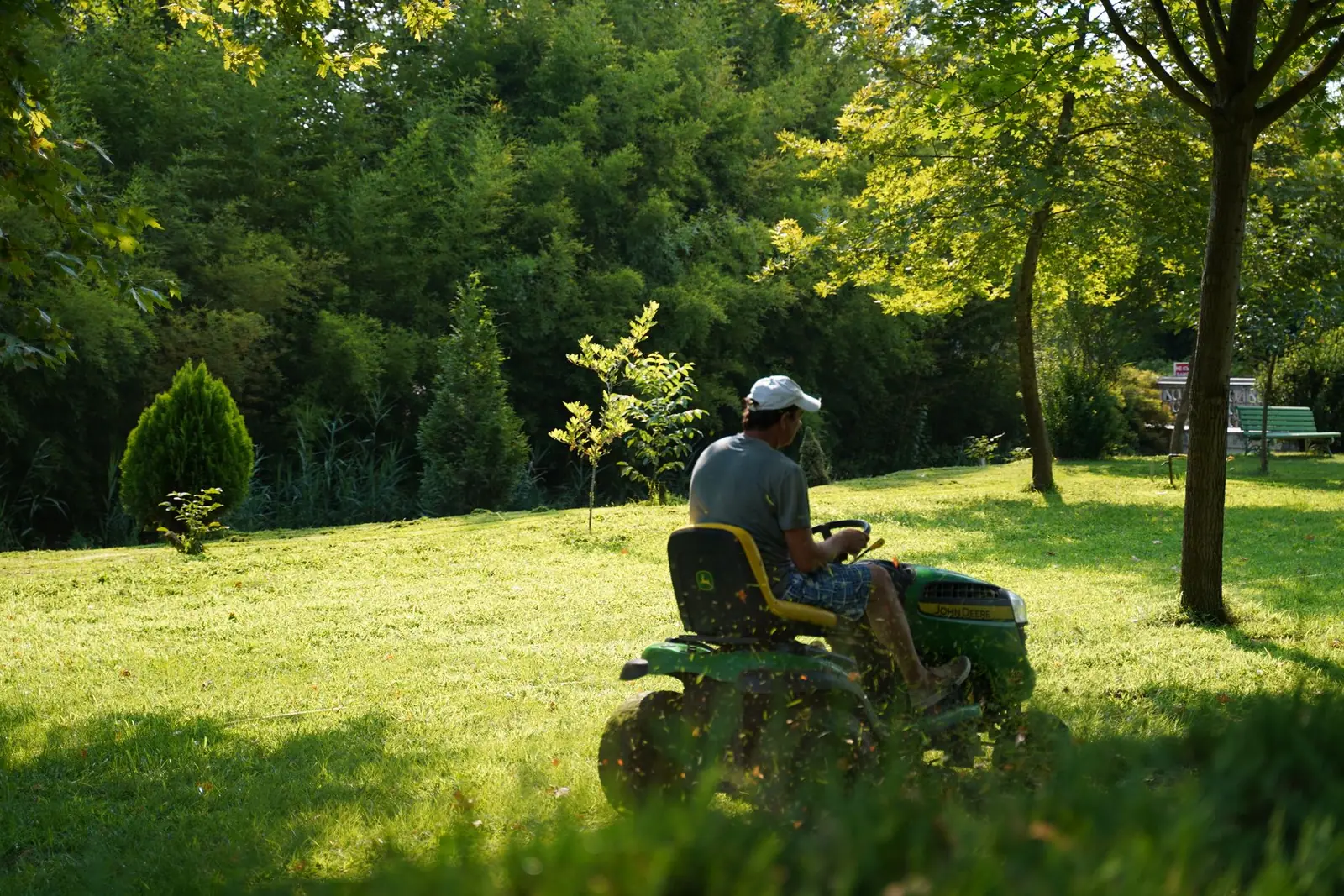
Most people mow the way their parents did: short, on Saturday, with the bag on. It looks tidy for a day. Over a season it produces a lawn that browns in summer, fills with weeds and needs more fertilizer.
Changing two habits costs nothing and fixes much of that.
Key figures
- one-third Maximum blade length to remove per mowing
- 3 inches Example: lawn height to maintain
- 4.5 inches Example: grass height that triggers mowing
The one-third rule
University extension services agree on one guideline above all others: remove no more than one-third of the grass blade at each mowing. If you keep your lawn at 3 inches, mow when it reaches about 4.5 inches.
Cutting more than that at once shocks the grass. The plant has to rebuild leaf before it can grow roots, which leaves it weaker going into heat and drought.
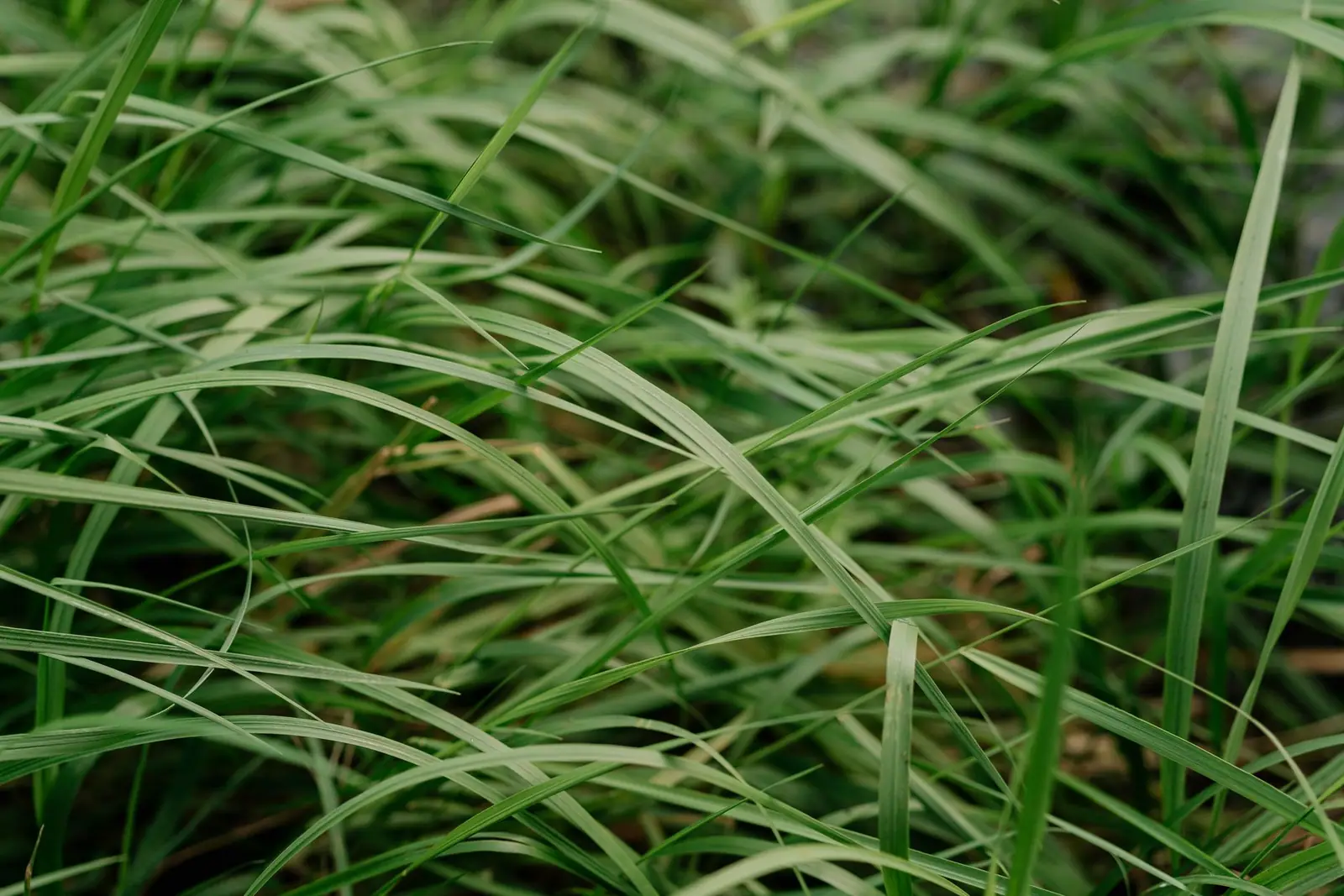
Why taller grass is healthier
- Deeper roots. Leaf height and root depth are linked. Taller grass reaches more water.
- Fewer weeds. Shade at soil level stops many weed seeds from germinating.
- Cooler soil. Less evaporation means less watering.
Cool-season grasses such as tall fescue are commonly kept around 3 to 4 inches. Warm-season grasses like Bermuda and zoysia are kept shorter. Your state extension office publishes the right range for local grasses.
Leave the clippings where they fall
Returning clippings to the lawn is called grasscycling. Penn State Extension research found that over three years, Kentucky bluegrass clippings contained 46 to 59 percent of the nitrogen applied as fertilizer. Bag them and you throw that away.
The common worry is thatch. Clippings are mostly water and break down quickly, so they are not what builds thatch. If you follow the one-third rule, the pieces are small enough to drop out of sight within a day or two.
Collect clippings if the grass got far too long, if they are wet and clumping, or if the lawn has a disease problem. Otherwise, let them lie.
Small habits that add up
- Keep the blade sharp. A dull blade tears grass, and torn tips turn brown.
- Mow when the grass is dry to avoid clumps and ruts.
- Change direction each time so the grass does not lean one way.
- Raise the deck in summer heat, when grass is under the most stress.
Related reading: Is a Lawn Care Service Worth It, or Should You DIY? and Compare Mulch by the Cost of a Finished Bed.
Questions people ask
What height should I mow my lawn?
It depends on the grass. Cool-season lawns are commonly kept around 3 to 4 inches; warm-season grasses shorter. Check your state extension guide for your species.
Do grass clippings cause thatch?
No. Clippings break down quickly. Thatch builds from roots, stems and runners, usually when a lawn is overfertilized or overwatered.
How often should I mow?
Often enough that you never remove more than a third of the height. That can be twice a week in spring and every week or two in summer.
Should I mow shorter before winter?
Many cool-season lawns benefit from a slightly lower final cut in late fall, but avoid scalping. Follow the one-third rule even then.
Where these figures come from
- Mowing Your Lawn University of Illinois Extension · extension.illinois.edu
- Recycling Turfgrass Clippings Penn State Extension · extension.psu.edu
Figures last checked September 2026.