On this page
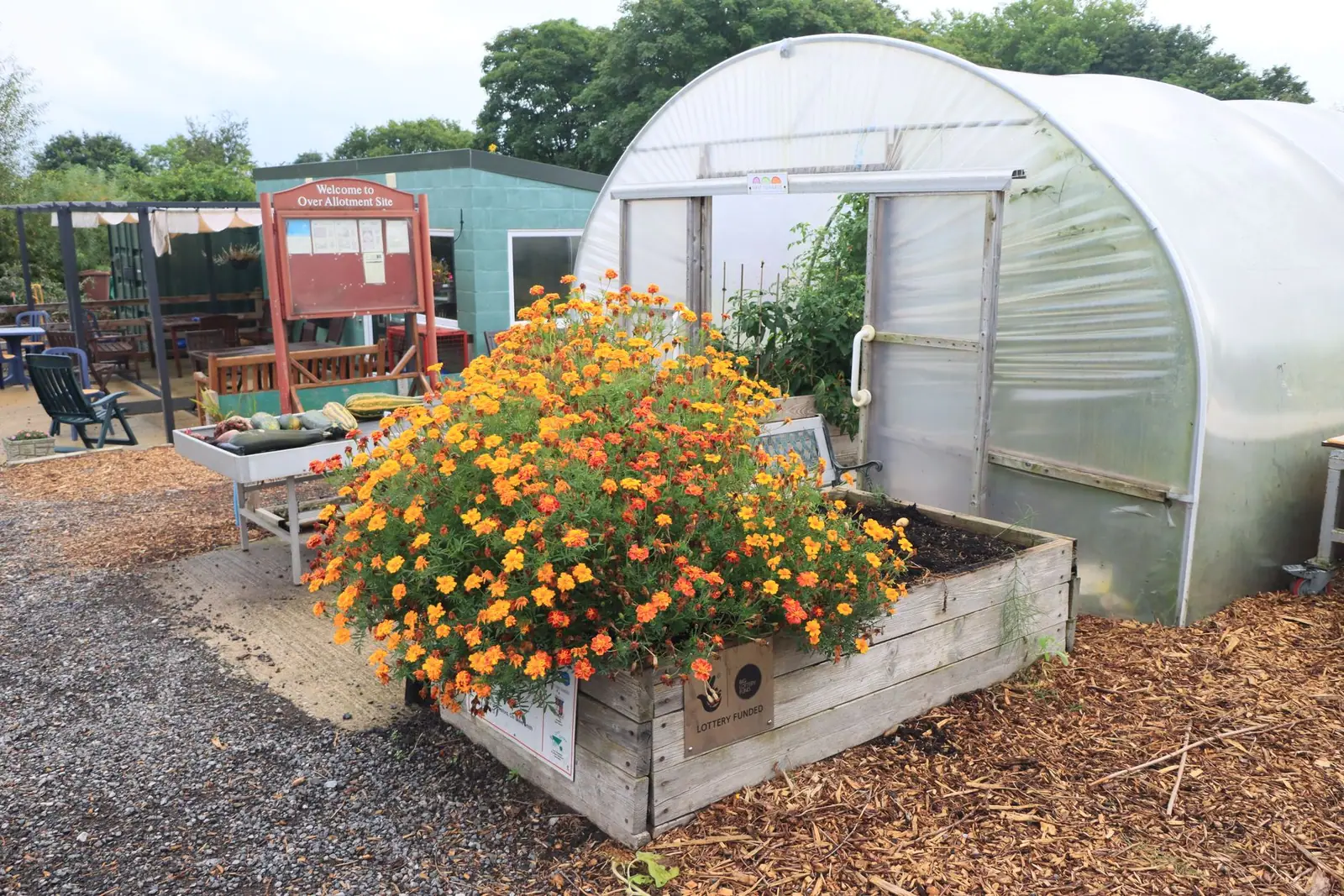
A raised bed frame looks like a simple lumber purchase. It is really a decision about how often you want to rebuild. A cheap bed that rots in a few seasons can cost more over a decade than an expensive one that lasts.
Key figures
- December 2003 Most residential CCA wood manufacture stopped
- Two-inch lumber Thicker boards for longer-lasting raised beds
The main options
| Material | Up-front cost | Lifespan | Notes |
|---|---|---|---|
| Untreated pine or fir | Lowest | Shortest; often only a few seasons in wet soil | Easy to build, easy to replace |
| Cedar, redwood | Higher | Many years; naturally rot-resistant | Popular for vegetables |
| Modern pressure-treated lumber | Low to moderate | Long | Uses copper-based preservatives, not arsenic |
| Galvanized or coated steel | Moderate to high | Long | Warms quickly; check edges are rolled |
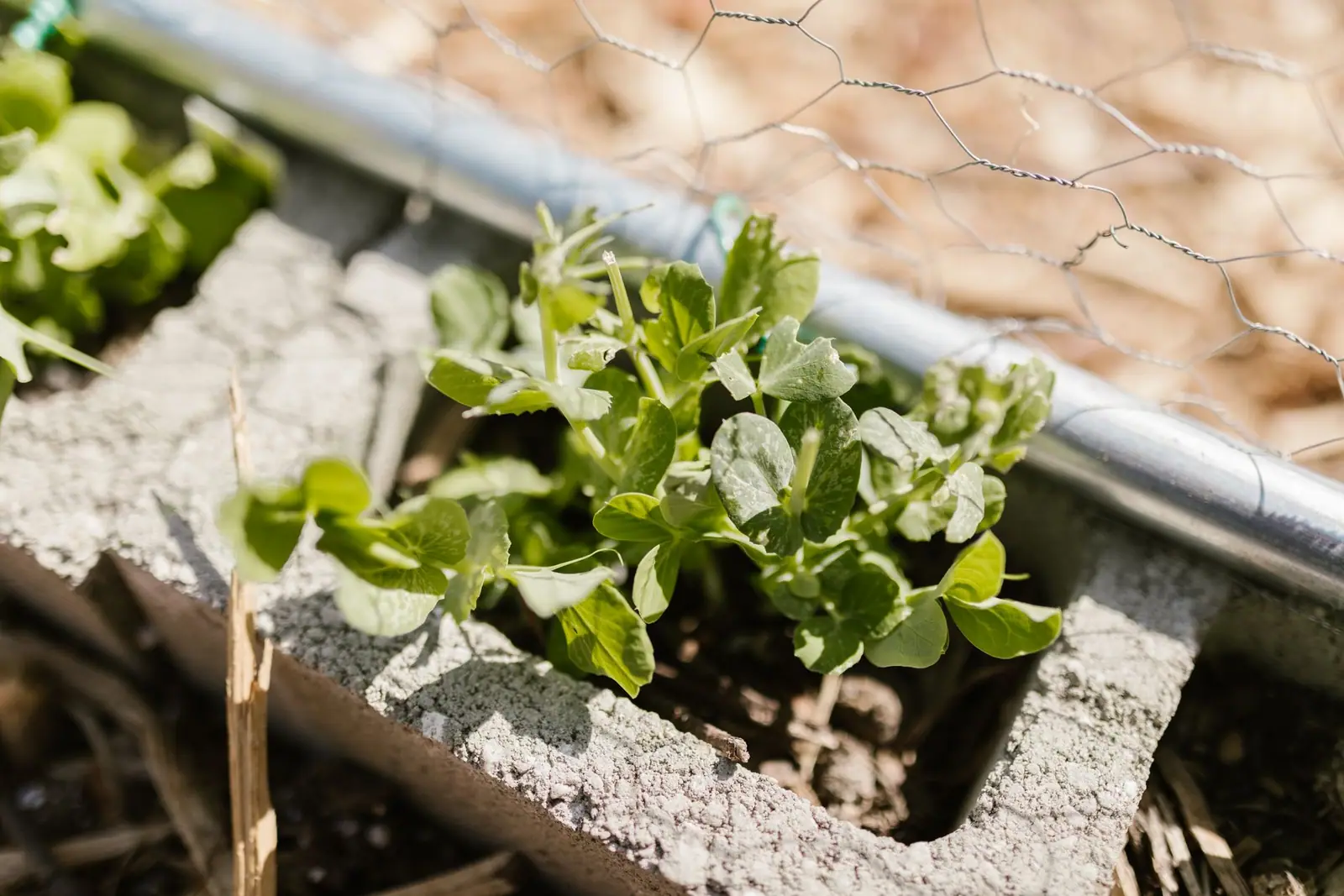
| Concrete block, stone | Moderate | Very long | Heavy, permanent, holds heat |
| Composite boards | Higher | Long | Check for recycled plastic content |
Lifespans vary with climate, soil moisture and board thickness. Thicker boards last longer whatever the wood.
The treated wood question
Much of the worry about treated wood in gardens comes from CCA, chromated copper arsenate, which contains arsenic. The EPA says manufacturers voluntarily stopped making CCA-treated wood for most residential uses in December 2003, including decks, playsets, landscaping timbers and garden structures.
Lumber sold for home use since then is treated with copper-based alternatives. Many gardeners are comfortable using it, and some still prefer to line the inside of the bed or choose untreated wood for peace of mind.
The real caution is old lumber: reclaimed decking, old fence boards or railroad ties of unknown origin. Do not use those for food gardens.
How to make any wooden bed last longer
- Use thicker boards. Two-inch lumber outlasts one-inch boards.
- Keep the soil level below the top edge, so the top stays drier.
- Use corner posts so screws are not the only thing holding the frame.
- Avoid soil contact at the bottom edge where possible, for example with a gravel base.
- Skip sealers that are not rated for food gardens.
Divide what the frame costs by how many seasons you expect it to last. A cheaper board that fails early often loses that comparison.
Related reading: How Much Water a Rain Barrel Really Collects and Picking a Compost Setup That Fits Your Yard.
Questions people ask
Is pressure-treated wood safe for vegetable gardens?
Arsenic-based CCA wood was withdrawn from most residential uses at the end of 2003. Current residential treated lumber uses copper-based preservatives. Avoid old treated wood of unknown origin.
How long does a cedar raised bed last?
Cedar is naturally rot-resistant and commonly lasts many years, longer with thick boards and good drainage.
Do metal raised beds get too hot?
They warm faster than wood. In most climates this helps in spring. In very hot areas, choose lighter colors or shade the sides.
What is the cheapest raised bed?
Untreated pine or a frameless mounded bed. Pine is cheap to build but needs replacing sooner.
Where these figures come from
- Chromated Arsenicals (CCA) US Environmental Protection Agency · epa.gov
Figures last checked September 2026.