On this page
People budget carefully for lumber and then get a shock at the soil aisle. A bed that looks small holds a surprising volume, and bagged mix adds up fast.
A few minutes of arithmetic and a different buying strategy can cut that cost sharply.
Key figures
- 32 cubic feet Example: 4-by-8-foot bed filled 12 inches deep
- 27 cubic feet Volume in one cubic yard of soil
Work out the volume
Multiply length by width by depth, all in feet. Depth in inches divided by 12 gives feet.
- 6 inches deep16 cu ft
- 8 inches deepabout 21 cu ft
- 12 inches deep32 cu ft
- 18 inches deep48 cu ft
- 24 inches deep64 cu ft
Simple volume arithmetic: 4 ft × 8 ft × depth in feet. Add about 10 to 20 percent, since soil settles after watering.
Bags are commonly 1 to 2 cubic feet. Divide your total by the bag size to see how many you need.
Bags or bulk?
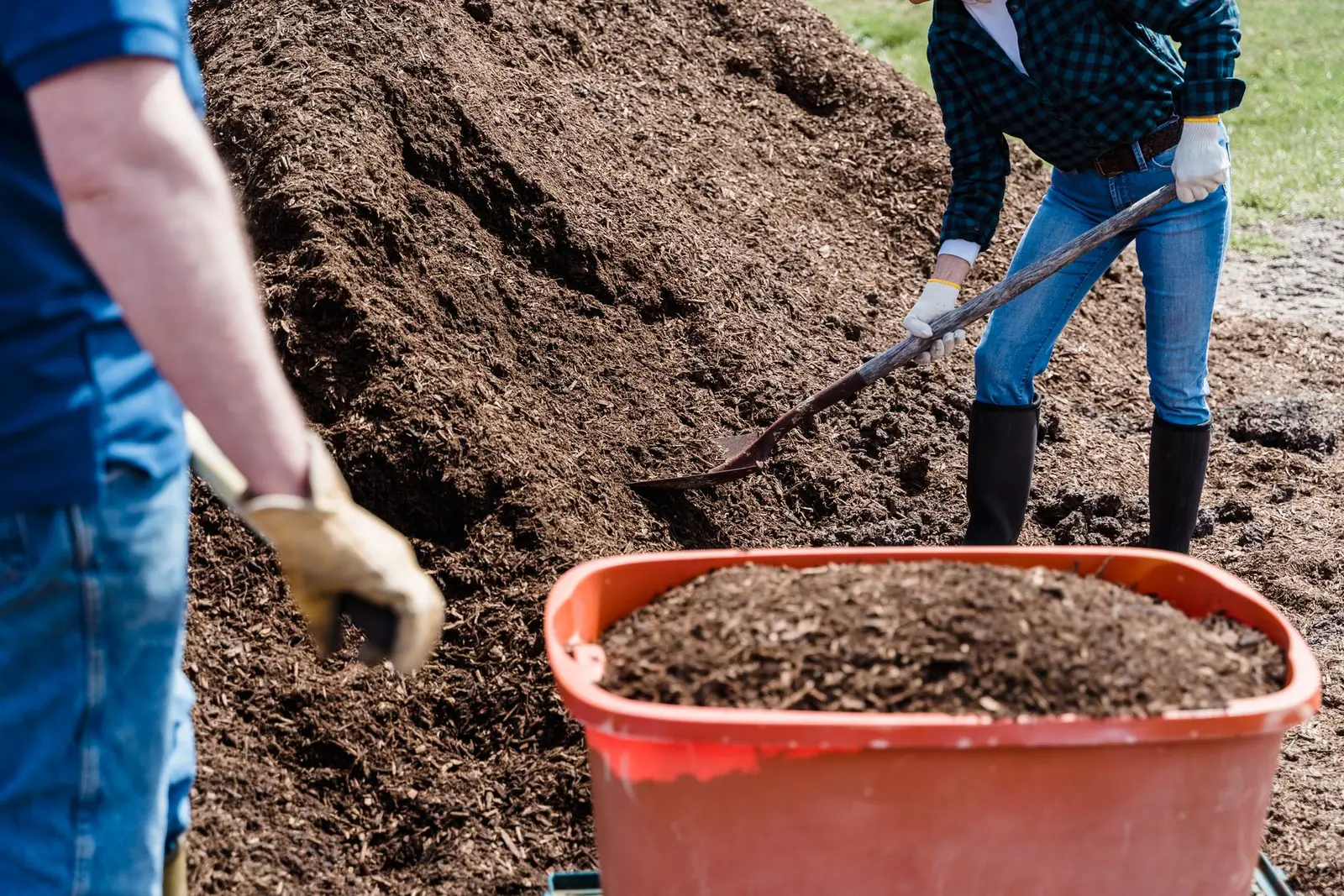
Bulk soil and compost are sold by the cubic yard, which is 27 cubic feet. A single yard nearly fills a 12-inch-deep 4 by 8 bed. Once you are filling more than one bed, bulk is usually cheaper per cubic foot, even with a delivery fee.
Ask the supplier what the mix contains. A blend of topsoil and compost is typical for vegetables. Pure compost is too rich and settles a lot.
Fill the bottom for free
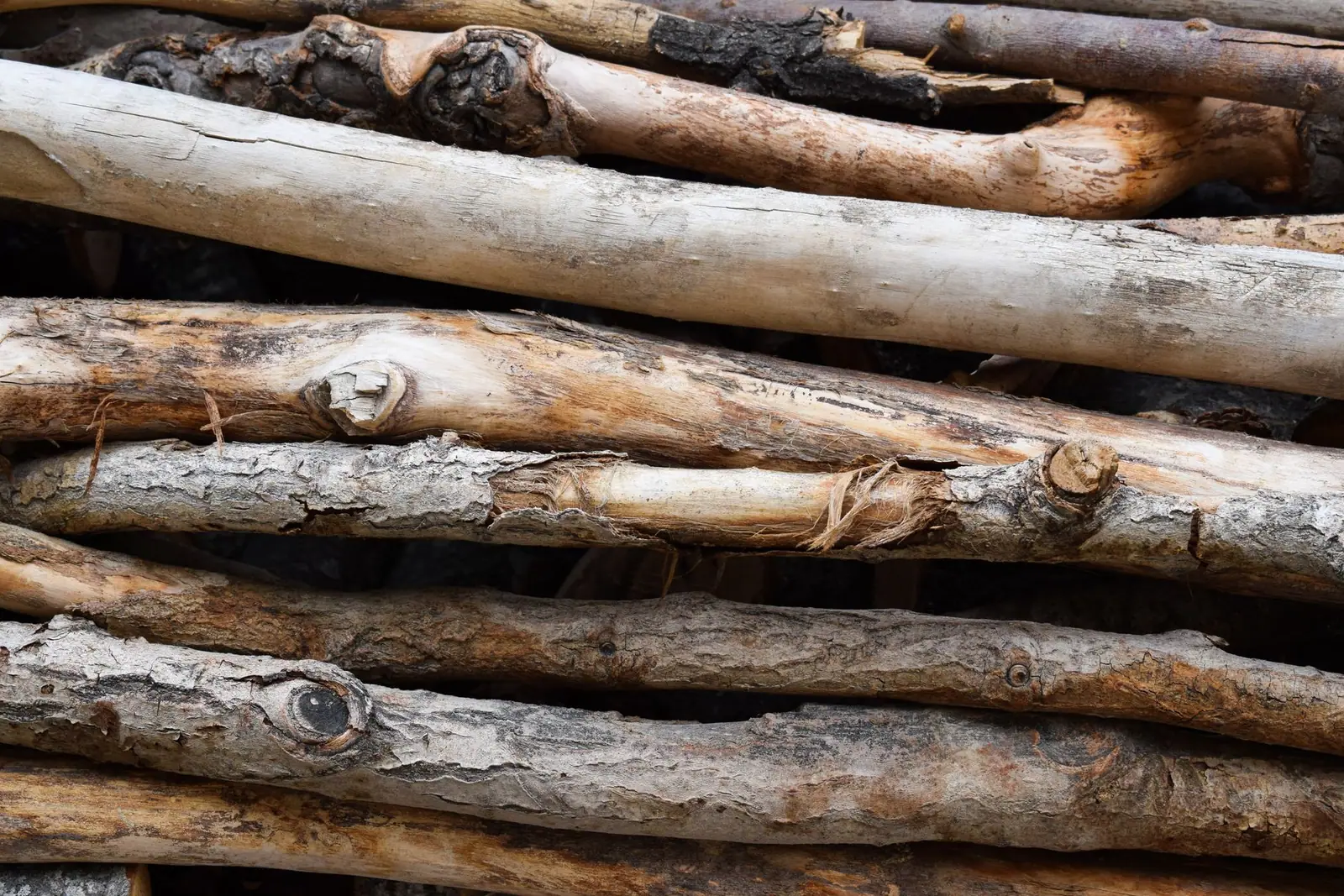
Roots of most vegetables are concentrated in the top foot of soil. In deep beds, the lower part can be filled with cheaper organic material:
- Logs and thick branches at the very bottom.
- Smaller sticks and wood chips on top of those.
- Leaves, grass clippings and straw as the next layer.
- At least 8 to 12 inches of good soil mix on top for planting.
Expect the level to sink as the organic layers decompose. Top up with compost each year.
Do not use treated or painted wood, weeds that have gone to seed, or diseased plant material in the fill layers.
Loosen the ground underneath
If the bed sits on soil, dig or fork the ground below before filling. Roots can then grow down into the native soil, and you may be able to use a shallower bed.
Related reading: Drip Irrigation or Sprinklers for a Vegetable Garden and Garden Fence Installation Costs: Materials and Gates.
Questions people ask
How many bags of soil for a 4x8 raised bed?
A 12-inch-deep 4x8 bed needs 32 cubic feet. With 1.5 cubic foot bags, that is about 22 bags, plus extra for settling.
What is a cubic yard of soil?
27 cubic feet. Bulk soil and mulch are sold by the cubic yard.
Can I use garden soil from my yard in a raised bed?
You can mix it with compost if it is not heavy clay or contaminated. A soil test helps decide.
What is hugelkultur?
A method of building beds over buried logs and branches. The wood holds moisture and breaks down slowly, reducing the soil you need to buy.