On this page
A rain barrel sounds like a small gesture. Then the first storm fills it in minutes and water pours out of the overflow. That is the first surprise: roofs collect far more water than people expect.
The second surprise is that a single barrel runs dry quickly in a hot spell. Both facts come from the same arithmetic.
Key figures
- 623 gallons Example: one-inch rainfall on a 1,000-square-foot roof
- 50 to 60 gallons Common rain-barrel water storage capacity
The formula
The University of Arizona’s Water Wise program gives the rule: multiply roof area in square feet by inches of rain, then by 0.623, the number of gallons in a one-inch layer of water over one square foot.
So one inch of rain on 1,000 square feet of roof yields about 623 gallons.
Use the roof area draining to the downspout you plan to connect, not the whole house.
- 250 sq ftabout 156 gal
- 500 sq ftabout 312 gal
- 1,000 sq ftabout 623 gal
- 1,500 sq ftabout 935 gal
Calculated with the 0.623 gallons per square foot per inch factor from the University of Arizona. Real collection is somewhat lower because of splash, gutter overflow and first flush.
Why one barrel fills so fast
A common barrel holds around 50 to 60 gallons. Even a small section of roof fills that in a light rain. Anything after that overflows. That is why people add a second barrel, link barrels together or move to a larger cistern.
When a barrel pays off
- Regular summer rain with dry gaps between storms, so the barrel refills often.
- Hand watering of containers and small beds, where 50 gallons goes a long way.
- Water restrictions that limit hose use but allow collected rainwater.
- Areas with high water rates or where you want to reduce stormwater runoff.
It helps less where summers are long and rainless. There, a barrel fills in spring and sits empty from July.

Setting one up well
- Raise it on a stable base of blocks. Water weighs about 8.3 pounds per gallon, so a full barrel is very heavy.
- Screen the inlet to keep out mosquitoes and debris.
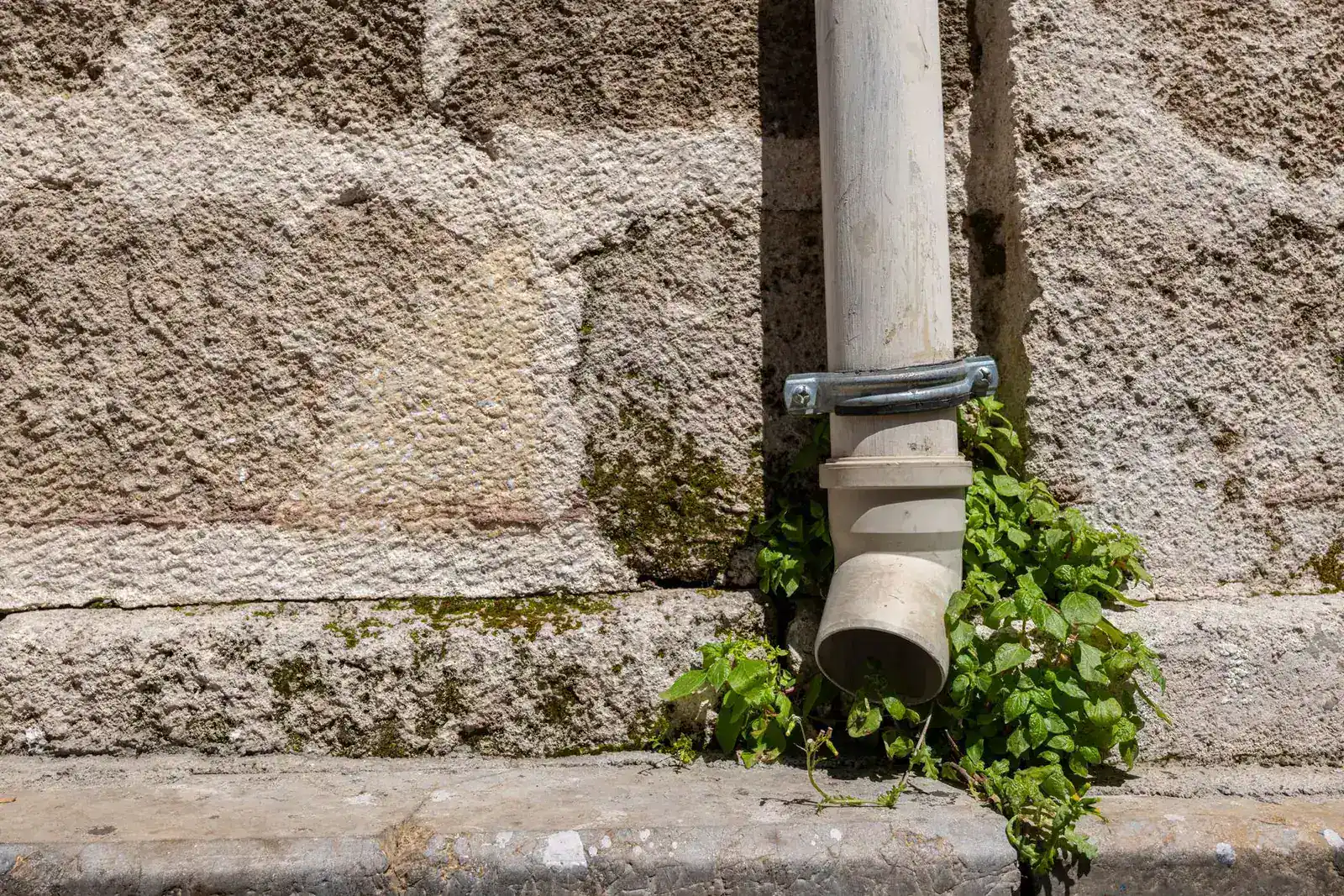
- Route the overflow away from the foundation.
- Use it on ornamentals, or on the soil around food plants rather than on leaves you will eat, since roof runoff is not treated.
- Drain and disconnect before freezing weather.
Most states allow residential rain barrels, and some encourage them. A few regulate collection. Your state water agency or extension office can confirm.
Related reading: Garden Fence Installation Costs: Materials and Gates and Raised Bed Materials: Cedar, Pine, Metal or Treated Wood.
Questions people ask
How many gallons does a rain barrel collect in one inch of rain?
Your roof collects about 0.623 gallons per square foot per inch. A barrel only holds its capacity, often 50 to 60 gallons, and overflows after that.
Is rain barrel water safe for vegetables?
Many gardeners use it on the soil around plants. Avoid wetting edible leaves and wash produce well, since roof water is not treated.
Do rain barrels breed mosquitoes?
They can if open. A tight lid and fine mesh screen on the inlet prevents it.
Can I connect a rain barrel to a soaker hose?
Yes, but pressure is low. Raise the barrel as high as is safe and use short runs of hose.
Where these figures come from
- Harvest Rain University of Arizona Water Wise · waterwise.arizona.edu
- WaterSense Statistics and Facts US Environmental Protection Agency · epa.gov
Figures last checked September 2026.