On this page
Replacing a round knob with a lever can change how a door is operated, but the handle is only one part of the route. A dragging leaf, tight latch, heavy closer or narrow opening may remain difficult after new hardware is installed. Price the proposed equipment and the door work separately.
The named prices below come from Yale’s own US store checked in October 2026. They are electronic lever-lock examples, not the price range for every mechanical passage lever. The US Access Board’s guidance supplies accessibility benchmarks; ADA rules do not automatically apply to an ordinary private single-family home.
Key figures
- $139.99 Yale Assure Lever Keypad Standalone
- $249.99 Yale Assure Lever Touchscreen with Wi-Fi
- $99.99 Yale partner smart-lock installation offer
Published lever-lock prices show what the hardware buys
Yale lists the Assure Lever Keypad Standalone at $139.99. It uses entry codes at the door and does not include a smart module. The manufacturer’s Wi-Fi touchscreen lever lists $249.99 in the Black Suede and Oil Rubbed Bronze variants checked here; the Satin Nickel variant showed unavailable in the product data.
Those two products differ by $110 before tax. Buying the more connected model does not prove that the lever is easier for a particular person to operate. Decide whether remote access is part of the job before adding it to a quote whose main purpose is changing the grip and latch.
| Named hardware or service | Published charge | Comparison boundary |
|---|---|---|
| Yale Assure Lever Keypad Standalone | $139.99 | Entry codes; smart module not included |
| Yale Assure Lever Touchscreen with Wi-Fi | $249.99 | Selected available finishes; confirm stock |
| Advertised partner smart-lock installation | $99.99 | Offer linked from the standalone page; eligibility and scope apply |
| Standalone plus advertised installation | $239.98 | Sum before tax and extra door work |
| Wi-Fi lever plus the same assumed installation fee | $349.98 | Arithmetic only; confirm that service applies to this model |
Source note: Yale’s own product prices and its advertised OnTech installation offer, checked in October 2026. These are named electronic locks, not nationwide installed prices or an endorsement of individual accessibility. The Wi-Fi installed total assumes the same fee and requires a service quote.
- Standalone keypad lever$139.99
- Touchscreen lever with Wi-Fi$249.99
- Partner installation only$99.99
- Standalone lever and installation$239.98
- Wi-Fi lever and assumed installation$349.98
Source note: Yale's own product prices and its advertised OnTech installation offer, checked in October 2026. These are named electronic locks, not nationwide installed prices or an endorsement of individual accessibility. The Wi-Fi installed total assumes the same fee and requires a service quote.
A plain passage lever can serve a room that does not require a keyed electronic lock. Ask the installer to identify that function rather than automatically fitting the same expensive product to every door. For a bathroom, the privacy-release arrangement matters as much as the handle’s appearance.
Door preparation determines whether a swap stays simple
Yale’s standalone specifications describe a door thickness of one and three-eighths to one and three-quarters inches, a two-and-one-eighth-inch face bore and a one-inch edge bore. The backset is either two and three-eighths or two and three-quarters inches. Measure the existing preparation instead of assuming all older doors accept the same latch.
Backset is the distance from the door edge to the center of the large hardware hole. Thickness, bore and latch arrangement answer different questions. Matching the backset alone does not establish that the lock fits a thin door, a mortise pocket or a leaf with a separate deadbolt opening.
The manufacturer describes a single-hole replacement and reversible handing. An existing mortise lock or decorative sideplate can require a different hardware package, filling and refinishing. Ask whether patching exposed holes and changing the strike are included in the installation offer before using $99.99 as the whole labor budget.
For an illustrative project, add an assumed $80 of latch and alignment work to the $239.98 standalone-plus-installation subtotal. The result is $319.98. That $80 is hypothetical, not a published partner repair rate; replace it with a diagnosis and quote for the door.
Opening force and latch operation are separate tests
The Access Board’s covered-facility guide describes door hardware that works with one hand without tight grasping, pinching or wrist twisting, using no more than five pounds of force. It identifies levers that can be used with a loose grip or closed fist as one design approach.
The guide also describes a separate five-pound limit for opening covered doors and gates, with exceptions including fire doors and exterior hinged doors. The force needed to release hardware is not part of that opening-force measurement. Do not read one number as a universal private-home requirement or promise about an exterior entrance.
A light-moving lever can still be attached to a door that is hard to pull. Have the installer test hinge alignment, the latch meeting the strike, seals and any closer. Request a before-and-after demonstration from the user’s approach position, rather than testing the handle only while the leaf is open.
The OT home-assessment guide explains a professional service that can connect reach, grip and movement to everyday tasks. A product’s standard door dimensions do not establish the person’s ability to enter a code, reach the handle or pull the door while using a mobility aid.
Clear space remains a barrier after the handle changes
For covered accessible doors, the Access Board describes a minimum clear opening of thirty-two inches measured with the door open ninety degrees. That is clear space through the opening, not the nominal door-leaf width. Stops, the leaf and projecting hardware can affect the measured passage.
It also describes operating hardware between thirty-four and forty-eight inches above the floor. These provide planning benchmarks for a private-home discussion, while local requirements and the user’s reach determine the project. Moving the hardware lower or higher may involve another hole and refinishing rather than a simple like-for-like swap.
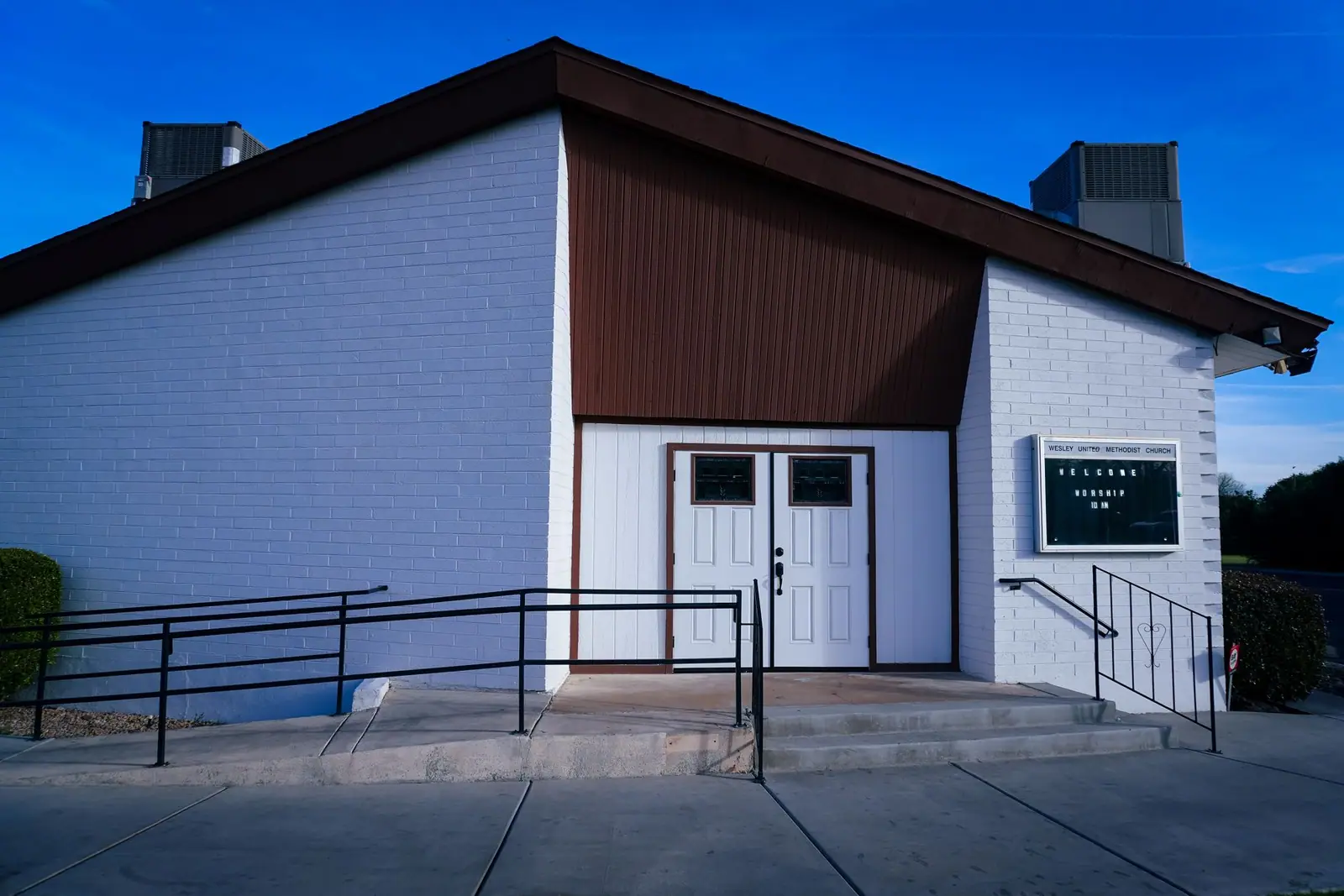
The ramp cost guide addresses the approach outside. Bridging steps does not provide space to pull a door open, and a new lever does not supply a landing. List the route changes alongside the hardware so each contractor knows which barrier their quote addresses.
Privacy, power and emergency exit affect ongoing use
A code can reduce the need to manipulate a small key, but it adds remembering and entering that code. Consider tactile feedback, sight, reach and how trusted helpers gain access. Separate an easier grip from the decision to add an electronic lock and remote account.
Yale’s standalone features describe a physical key and nine-volt backup contact, while its technical table has a conflicting “Batteries Required: No” entry. Do not infer that the electronic lock requires no power care from that table. Follow the installation manual and confirm battery type, replacement and backup operation with the installer.
Have the user’s access needs assessed where needed, and have the installer confirm operation, privacy release and emergency exit under local requirements. Do not disable a required closer, fire-door function or security feature to make the lever feel easier.
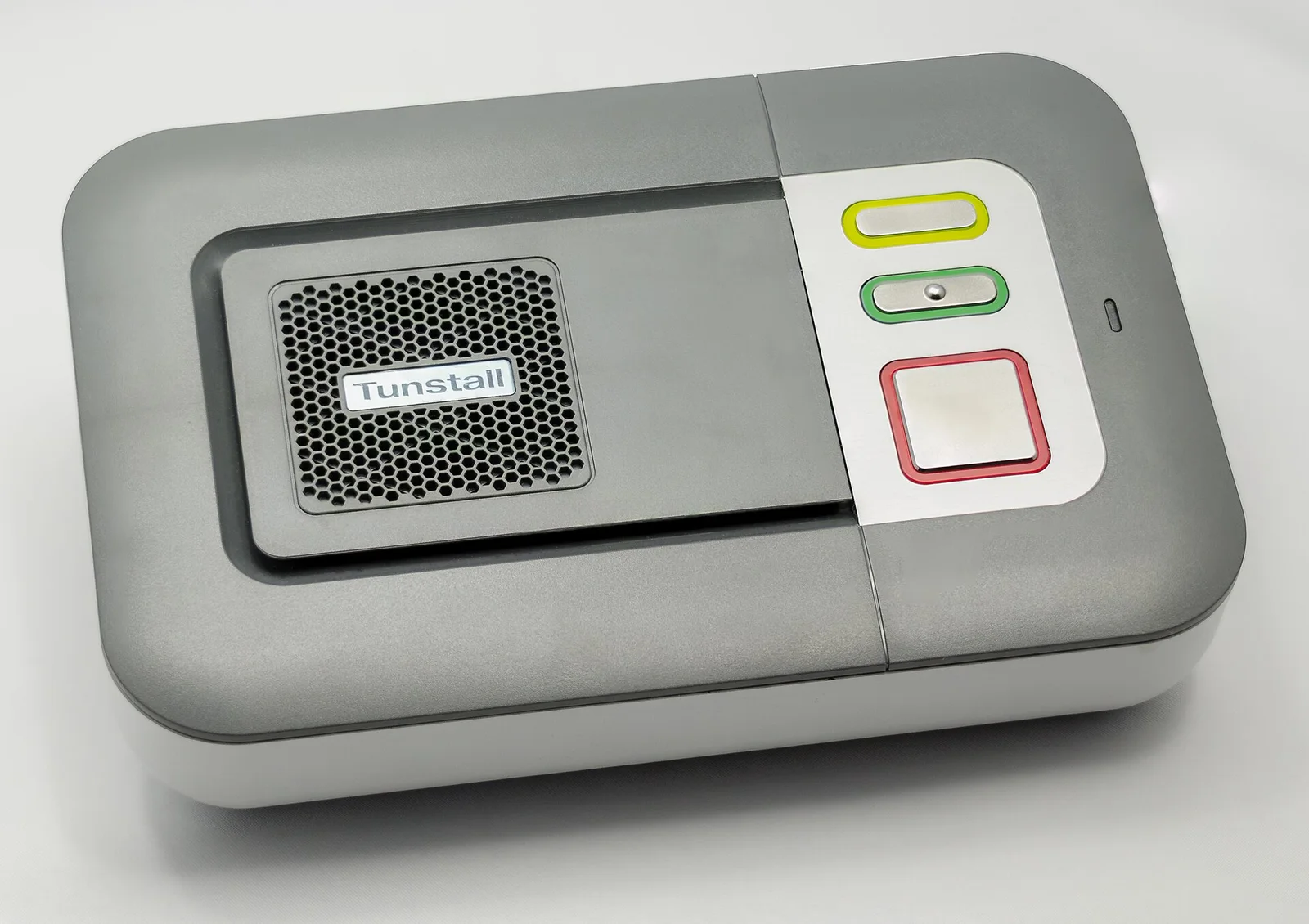
The medical-alert cost guide covers a separate way to request help. It does not replace workable access for helpers or emergency responders. A finished hardware quote should identify the lock function, measured door, installation, repairs, testing and later power or account responsibilities.
Questions people ask
What is the cited standalone lever's installed subtotal?
The $139.99 Yale hardware plus the $99.99 advertised partner installation equals $239.98 before tax, extra door work and service conditions.
Does the $249.99 connected model solve more accessibility problems?
Connectivity adds features, not proof of easier operation. Match grip, reach, code use and door movement to the person before paying the $110 hardware difference.
Will the handle fit any existing door?
No. The cited model specifies 1⅜–1¾-inch thickness, a 2⅛-inch face bore and two backset options. Mortise preparation, other holes and damage can require additional work.
Does a new lever fix a heavy or narrow door?
No. Latch force, door-opening force, clear width and maneuvering space are separate. Measure and price those barriers alongside the hardware.
Where these figures come from
- Assure Lever Keypad Standalone: Price, Dimensions and Installation Offer Yale Home · shopyalehome.com
- Assure Lever Touchscreen with Wi-Fi: Variant Prices Yale Home · shopyalehome.com
- ADA Guide: Entrances, Doors and Gates US Access Board · access-board.gov
Figures last checked October 2026.