On this page
Sealing an unused well costs more than buying a lid. The job closes a pathway into groundwater and leaves a completion record tied to the property. Its price depends on the well’s depth and construction, the equipment that can reach it and what the contractor discovers inside.
A public price schedule provides a transparent way to see how those charges fit together. Minnesota’s Office of State Procurement publishes Thein Well’s schedule for Contract 226711. Its current contract term and availability to household customers have not been established here. Use the figures below to understand unit billing, then obtain a current quote for the property rather than treating the reference calculation as a bookable service.
Key figures
- $15 per foot Minnesota contract rate, 2-inch well sealing per foot
- $24 per foot Minnesota contract rate, 4-inch well sealing per foot
- $2,175 Example: 100-foot 2-inch well, mobilization and notification included
Depth and diameter explain the reference price
The published schedule gives the same small-well sealing rates in its depth bands: $15 per foot for a 2-inch well and $24 per foot for a 4-inch well. Nondrilling mobilization is $550 per project. Special construction and larger wells require their own quote. These entries describe sealing work; they do not establish the price of simply installing a cap.
| Reference line | Published amount | What the quote should establish |
|---|---|---|
| 2-inch well sealing | $15 per sealed foot | Verified depth and well construction |
| 4-inch well sealing | $24 per sealed foot | Verified depth and well construction |
| Nondrilling mobilization | $550 per project | Equipment and site access |
| Minnesota well-sealing notification | $125 per well | State fee; local charges may differ |
| Site restoration | Individually quoted | Surface and landscaping work |
Sources: Minnesota Office of State Procurement, Thein Well Contract 226711 price schedule in the agency’s April 2023 file directory; Minnesota Statutes section 103I.208 for the current $125 notification fee. Procurement rates are not confirmed current homeowner prices. The sealing entries include labor, supplies and travel beyond mobilization; do not add those again without identifying separate work.
A hypothetical 100-foot, 2-inch well produces a $1,500 sealing line. Adding $550 mobilization gives $2,050; adding the current Minnesota state fee gives $2,175. At the same assumed depth, the 4-inch rate produces $2,400 for sealing and $3,075 with those other two lines. The $900 difference comes from the diameter rate in this example, not a universal surcharge for all wider wells.
A hypothetical 50-foot, 2-inch well would instead yield $750 for sealing and $1,425 with those same mobilization and filing assumptions. Mileage, debris removal, unusual casing work, local fees and restoration remain outside these examples. The arithmetic cannot establish whether that scope is enough to close a particular well.
A well record reduces uncertainty before equipment arrives
Collect the well log, drilling record, property water-system documents and any earlier repair or pump records. Give the contractor the recorded location and describe what is visible from a safe distance. A depth remembered by a previous owner is weaker evidence than a construction record, and even a record may not describe later changes.
Ask the estimate to identify which depth and diameter it assumes and how a different finding changes the bill. For example, an estimate based on 100 feet should state whether another 20 feet is charged at a stated unit rate or triggers a different scope. That is a quotation question, not a prediction that every contractor uses the public schedule.
Keep the unused well distinct from any active drinking-water well. Marking the wrong location in a site sketch can affect both the work and the completion record. The private-well testing guide explains why testing the water supply and closing an abandoned opening answer different questions.
Access and obstructions can outweigh a shallow depth
Equipment needs a route to the well and space to work. Narrow gates, soft ground, overhead restrictions, steep slopes and buildings around the opening can change the equipment or preparation. Describe them before comparing estimates; a lower number built around easy access does not price a restricted site.
Tell the contractor about a remaining pump, piping or known debris. Removing an obstruction and dealing with damaged casing are different tasks from the basic sealing line. A quote should state how discoveries are documented, who approves additional work and whether the provider charges by time, by unit or by another estimate.
Do not convert a list of possible extras into a prediction that they all occur. Instead, ask which are already included, which depend on a finding and which have a maximum authorized amount. A contingency is easier to manage when it has a trigger, a price rule and an approval process.
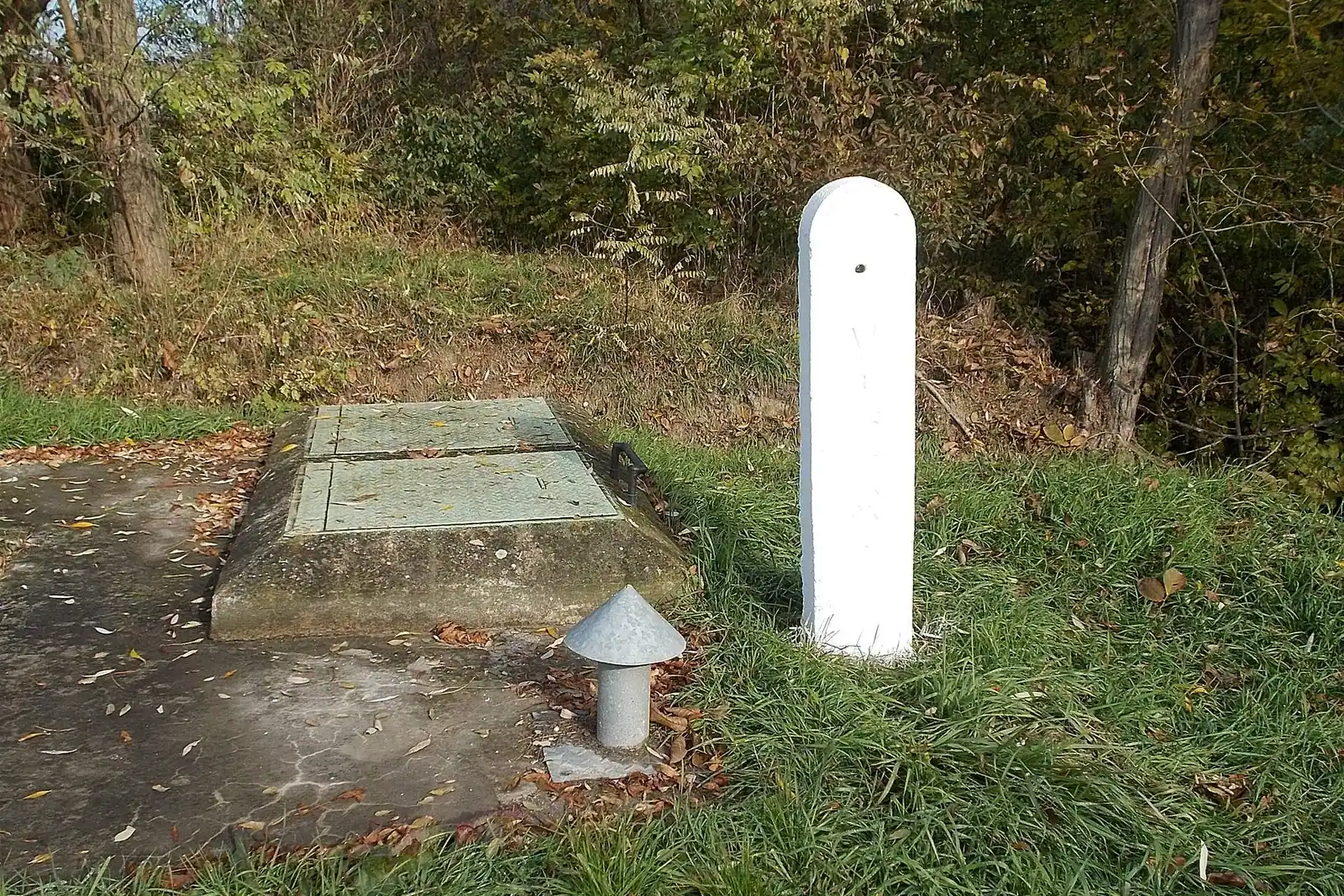
Filing and completion records belong in the job price
Minnesota’s $125 statutory notification fee already includes the state core function fee. It should not be followed by an extra charge for that same state component. The statute also allows delegated local authorities to charge for administering their duties, so ask who receives the notification and whether local charges apply.
The fee example is Minnesota-specific. Elsewhere, ask the responsible water or health authority about the filing, required contractor credentials and the record the owner receives. Do not carry Minnesota’s fee into another state’s estimate or assume that a provider’s administrative charge is a government fee.
Request the final record, well identifier and location information with the paid invoice. Save them with the property documents and active-well records. A receipt saying yard work or cover replacement does not by itself document permanent well closure. EPA recommends using a certified well driller when abandoning a well; the site’s authority establishes the local requirements.
Restoration and assistance change the owner’s final payment
Define restoration before work starts. Backfilling a work area, repairing a driveway, replacing sod and replanting mature landscaping are separate outcomes. An estimate should identify the surface it will leave rather than using cleanup as a promise that every part of the yard returns to its previous appearance.
Ask any local cost-sharing program about eligibility and timing before signing. Approval, contractor participation and documentation can affect reimbursement. A possible grant is not money available to subtract from a bill until the program confirms it; avoid committing to work based only on a search result about an older funding round.
Keep people and animals away from uncertain openings. Arrange a credentialed well contractor and the responsible authority’s closure process; never enter a well pit or attempt to seal a well by filling it yourself.
The well and septic care budget can hold the quoted closure cost apart from recurring maintenance. If a new supply is part of the same project, the well pressure-tank guide helps keep active-system equipment outside the abandoned-well scope. Obtain an itemized price, approved extras and the closure record together.
Questions people ask
Is a new cap the same as sealing an unused well?
No. A cover protects an opening, while permanent closure addresses the well below ground and its required records. Ask the authority and contractor which work the property requires.
Can a homeowner book the $2,175 example?
It combines published procurement rates with a hypothetical 100-foot, 2-inch well and Minnesota's state fee. Retail availability, current rates and the site's extra work have not been established.
Does the $125 fee include the state core function fee?
Yes, under the cited Minnesota statute. Ask separately about delegated local charges and any provider administrative service.
What record should remain with the property?
Keep the completion record identifying the sealed well and its location, together with the invoice and any authority correspondence. Ask who files the record and who supplies the owner's copy.
Where these figures come from
- Thein Well Contract 226711 published price schedule Minnesota Office of State Procurement · osp.admin.mn.gov
- Well notification and filing fees, section 103I.208 Minnesota Revisor of Statutes · revisor.mn.gov
- Protecting private wells and abandoning wells US Environmental Protection Agency · epa.gov
Figures last checked October 2026.