On this page
A flooded septic system is one of the few household problems where the instinctive response makes it worse. The instinct is to get the tank emptied immediately. EPA’s guidance says the opposite: pumping while the ground is saturated is at best a temporary fix, and opening the tank then risks damage to the tank itself.
Here is the order the work goes in.
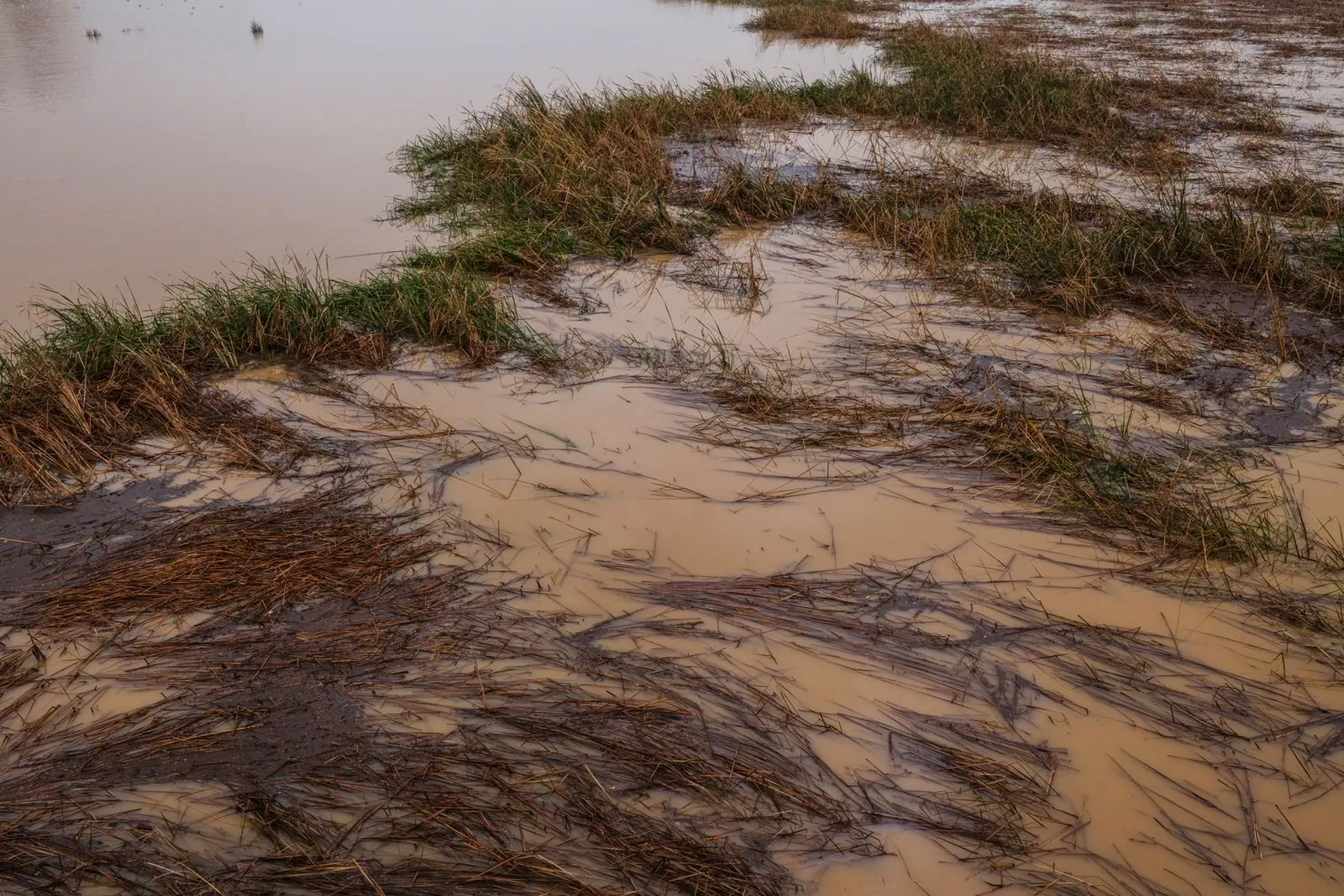
While the water is still up
- Stop using the system as far as you can. Every gallon you send out has nowhere to go, and it will come back or surface.
- Do not open the tank for pumping while the soil is saturated.
- Do not drink the well water until it has been tested. Contact your local health department for testing and advice.
- Do not pour floodwater into sinks or toilets. It does not help and it loads the system with silt.
- Do not dig around the tank or the drainfield while everything is wet.
- Keep vehicles and machinery off the drainfield. Wet soil compacts, and compacted soil does not absorb.
As the water goes down
- Wait for the right moment to pump. EPA’s test is practical: time the pumping for when the water in the soil absorption field is lower than the water level around the house.
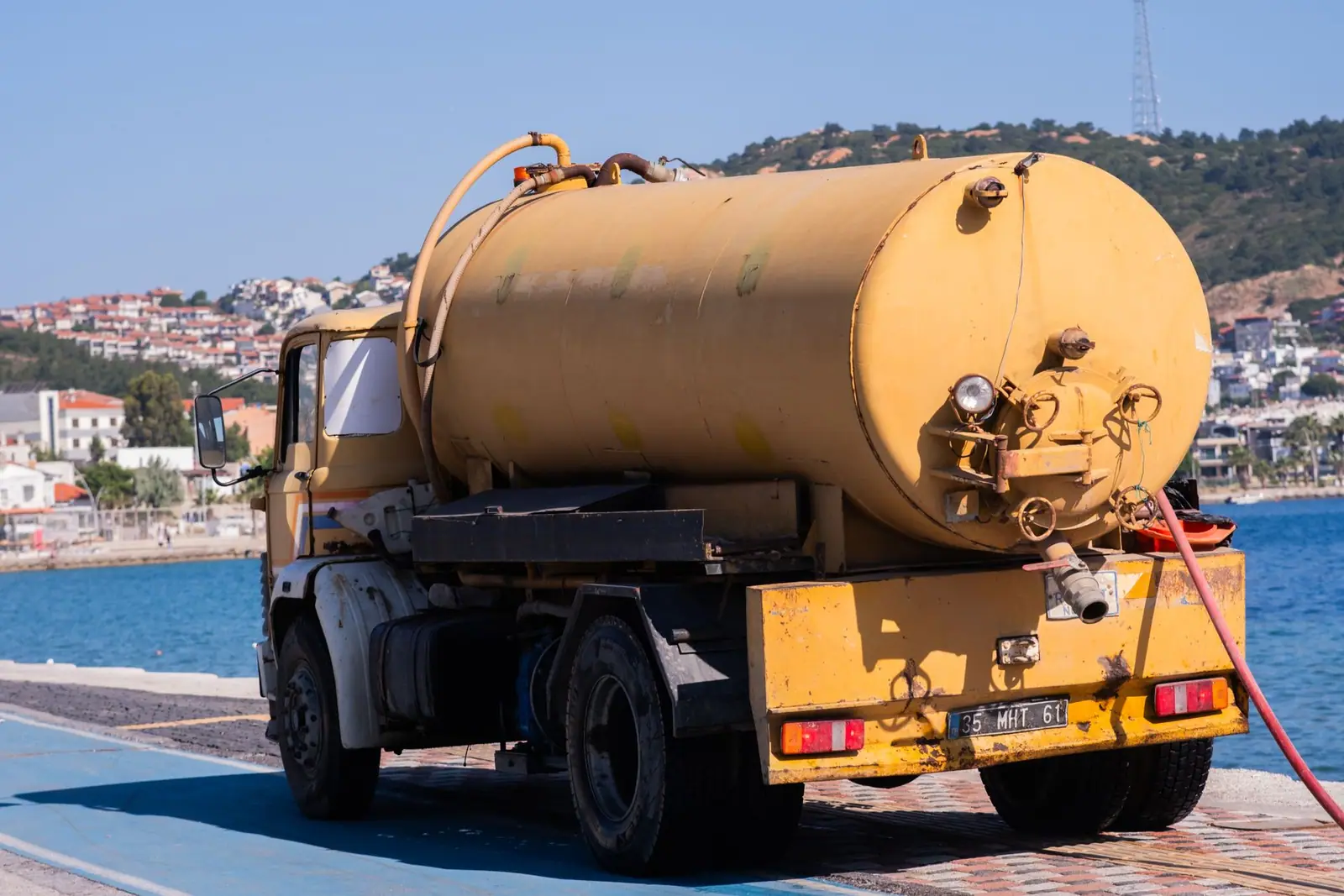
- Have the tank and any pump chamber professionally cleaned. They fill with silt and debris in a flood, and only trained specialists should clean or repair them, because tanks contain dangerous gases.
- Examine electrical connections for damage before restoring power, and identify any electrical or mechanical devices in the system that may have been flooded.
- Have the system checked before returning to normal water use, including the baffles, the filter and any pumps or controls.
- Repair erosion damage over the tank and field, and reseed or re-sod bare areas so the surface sheds water again.
The well is a separate job
If your drinking water comes from a private well, a flood is a contamination event, whatever the water looks like. Floodwater carries bacteria and whatever was on the surface upstream of you.
- Assume the water is unsafe until tested.
- Contact the local health department, which usually has a testing protocol and sometimes free or subsidised sampling after a flood.
- Do not rely on the taste, the smell or the clarity; the things that matter here are invisible.
- A well that was submerged generally needs disinfection and then a follow-up test before use.
An empty tank in saturated ground can float. That is the mechanical reason behind the advice not to pump while the water table is high: buoyancy can lift the tank, break the inlet and outlet connections and leave you with a much larger repair than a silted tank. Waiting a few days is the cheaper option.
Getting back to normal
- Reduce water use for a while even after the system is cleared. The soil around the field will still be wetter than usual, and its capacity comes back gradually.
- Watch for the failure signs: slow drains across the house, gurgling, wet ground, odours and unusually green grass over the field.
- Keep the paperwork. Cleaning invoices, water test results and any repair permits matter for insurance and for the next sale.
- Expect an alternative system to need more attention. Anything with a pump, a blower or a control panel has been underwater, and that is a service call rather than a look.
Planning for next time
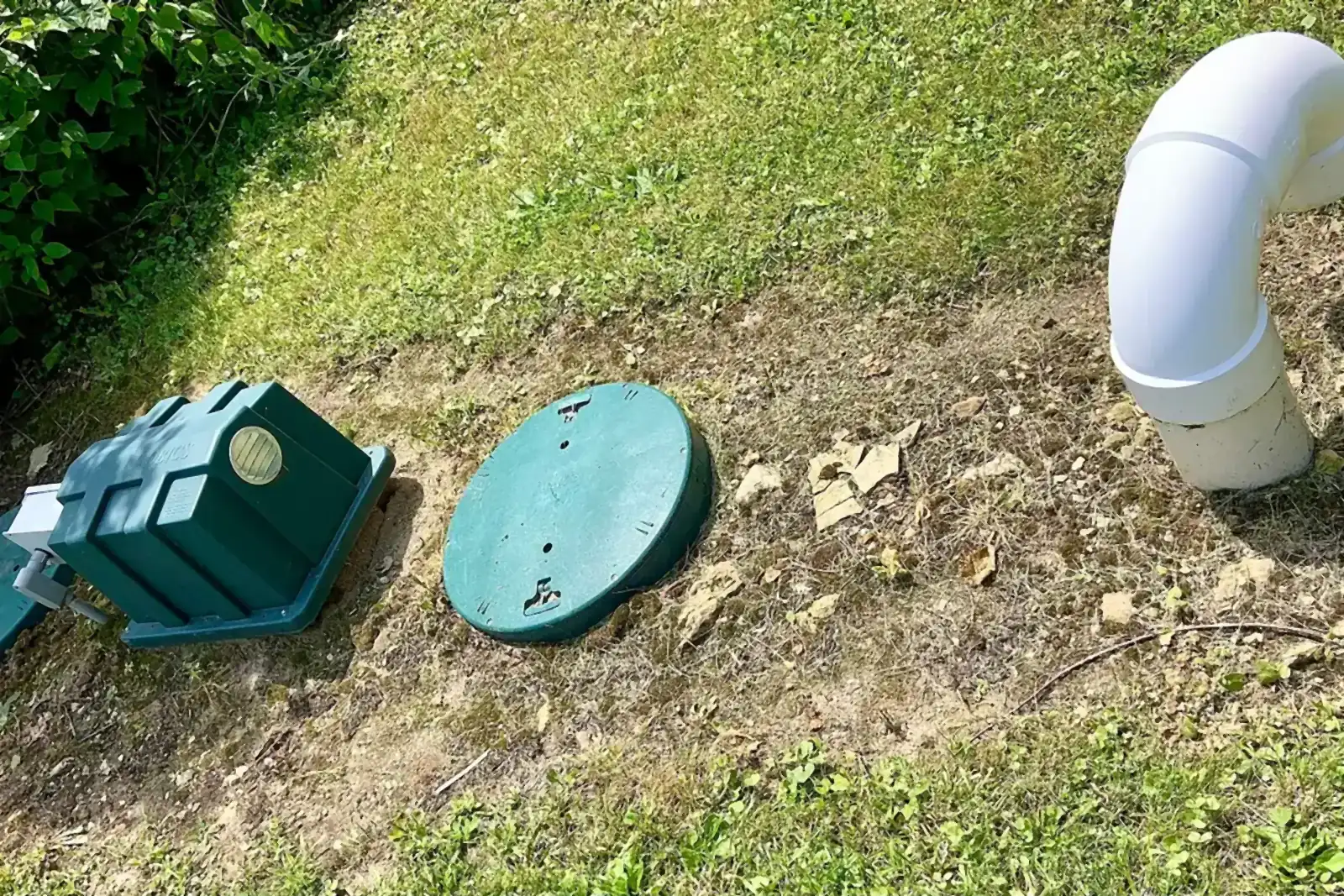
- Know where the tank lids and the field are, and keep them accessible and marked.
- Keep roof and surface drainage directed away from the field so ordinary heavy rain does not saturate it.
- If your area floods repeatedly, ask the health department what is permitted on your lot: relocating a field, raising it or changing system type is sometimes possible before the next event rather than after it.
- Keep a record of every service visit. After a flood, a technician who can see what the system was like beforehand can tell you far more.
Related reading: When the Soil Says No: Mounds and Aerobic Units and Price Septic Filter Care With the Complete Service Visit.
Questions people ask
Should I pump my septic tank after a flood?
Yes, but not while the soil is saturated. EPA advises timing the pumping for when the water in the soil absorption field is lower than the water level around the house, because pumping during saturation is only a temporary fix and risks damaging the tank.
Is my well water safe after flooding?
Assume it is not until it has been tested. EPA's guidance is not to drink well water until it is tested and to contact your local health department. A submerged well generally needs disinfection and a follow-up test.
Why can't I drive on the drainfield after a flood?
Because wet soil compacts easily, and compacted soil absorbs much less. EPA specifically warns against compacting the soil over the absorption field by driving or operating equipment, and against working there with heavy machinery while the soil is wet.
Do septic tanks need cleaning after a flood?
Usually. Tanks and pump chambers fill with silt and debris during flooding and must be professionally cleaned. Only trained specialists should do that work, because tanks can contain dangerous gases.
Where these figures come from
- Septic Systems: What to Do after the Flood US Environmental Protection Agency · epa.gov
- Resolving Septic System Malfunctions US Environmental Protection Agency · epa.gov
- Protect Your Home's Water US Environmental Protection Agency · epa.gov
Figures last checked September 2026.