On this page
Most household camera setups are decided by where there was already a power socket, and it shows. The result is a collection of views of the garden, a notification every time a car passes, and no usable footage of the one person anybody ever asks about.
Camera placement is a small design problem with four good answers.
The four positions that earn their place
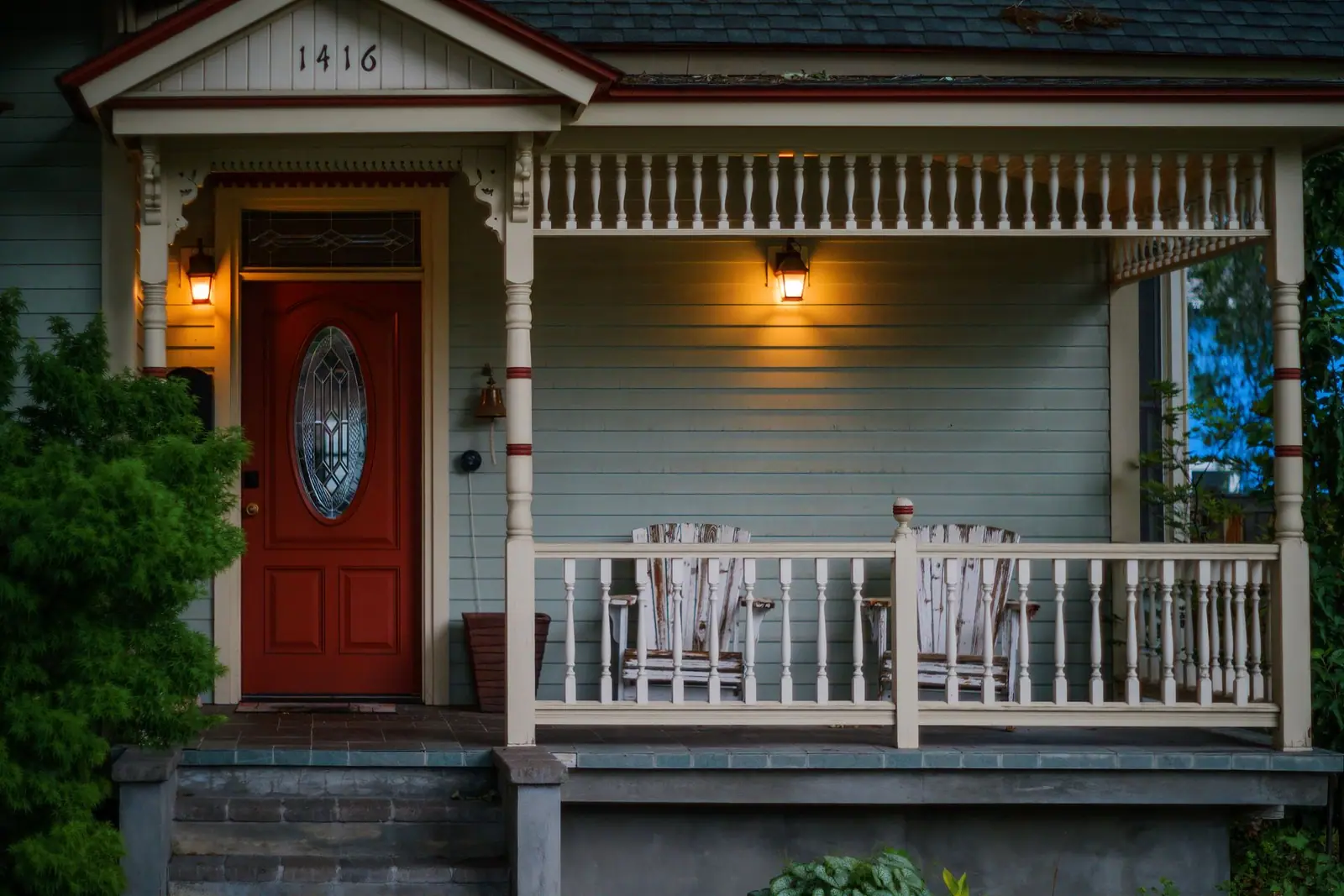
The front door. Almost every visitor, delivery and legitimate caller arrives here, and so does most of what you will ever want to review. A doorbell camera covers the approach; a second camera looking along the front of the house covers what a doorbell cannot, because it sees the porch rather than the person’s face at the threshold.
The back door or the patio door. The place that is out of sight from the street, which is precisely why it matters.
The side path or gate. The route between the two, and usually the most private and least overlooked part of a property.
The driveway. Vehicles, deliveries and the approach to the garage.
If you only ever buy two, buy the front and back doors. If you buy four, you have covered what matters for most houses and you can stop.
Height, angle and light
Height. Between about eight and ten feet is the usual compromise: high enough to be out of easy reach, low enough that faces are in frame rather than the tops of heads. A camera under the eaves at fifteen feet produces beautiful footage of shoulders.
Angle. Point across an approach rather than straight down it. Somebody walking towards a camera is in frame briefly and often backlit; somebody crossing its view is in frame for several seconds at a useful angle.
Light. Put the sun behind the camera, not in front of it. A camera facing west will spend part of every clear day showing you a glare and a silhouette. At night, a nearby porch light does more for image quality than any amount of infrared.
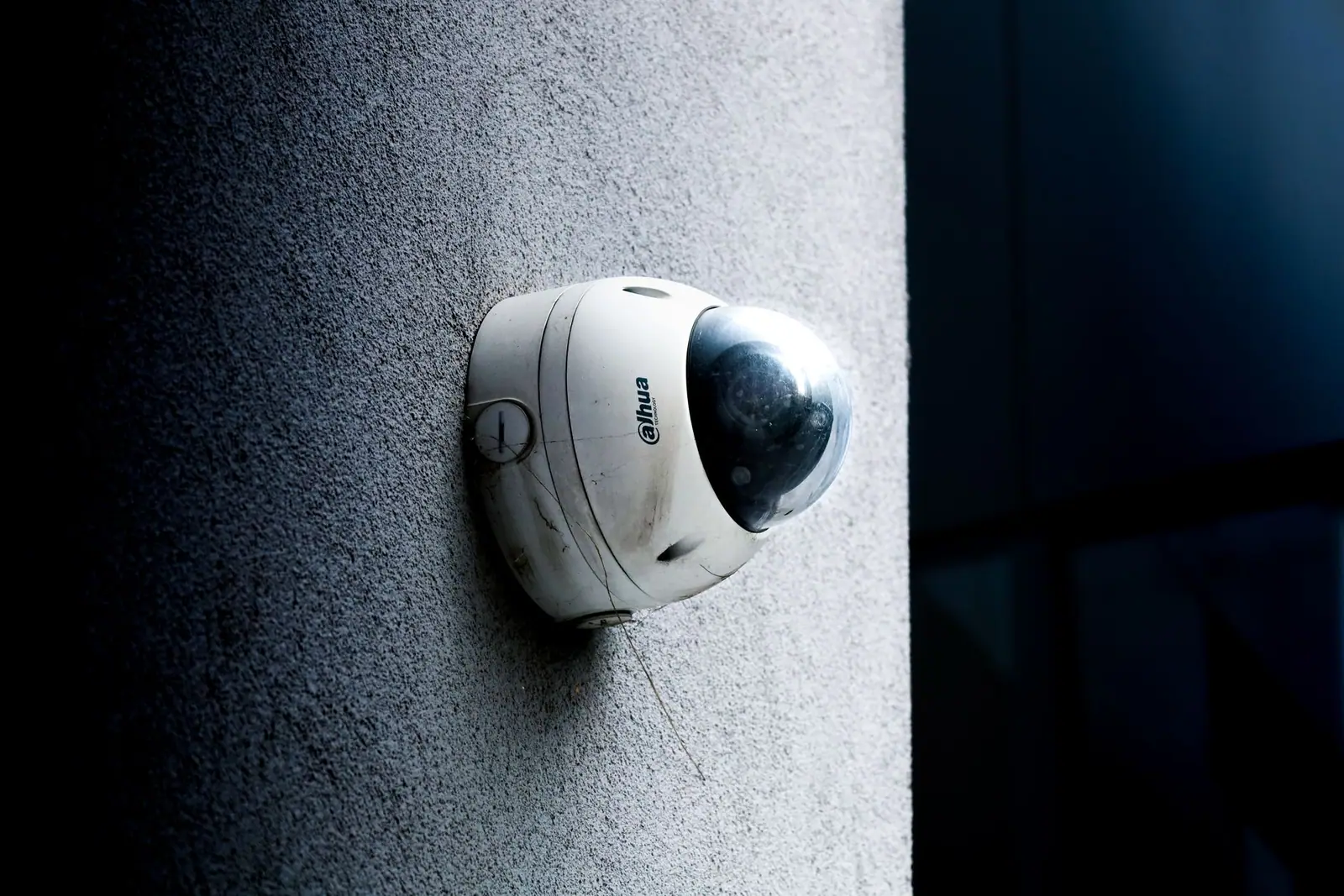
Weather and spiders. Cameras under an eave stay cleaner and get fewer web-induced motion alerts than cameras on an exposed wall. Wipe the lens twice a year and the difference in night footage is remarkable.
The notification problem
The failure mode of home cameras is not a missed event. It is forty alerts a day until you turn them off, and then a missed event.
- Crop the motion zone so it excludes the pavement, the road and the neighbour’s drive.
- Use person detection where you have it, and accept that it is imperfect.
- Exclude moving plants. A shrub in the wind is the single most prolific false-alert generator in home security.
- Set different sensitivity by time. Many systems let you be strict during the day and sensitive at night.
- Give each camera a useful name. “Back gate” tells you whether to look; “Camera 3” does not.
Point cameras at your own property. Framing a neighbour’s door, window or garden creates a privacy problem and a neighbour problem, and in a dispute it is the thing that gets raised first. Where a public pavement is unavoidably in frame, crop the motion zone so it does not trigger on passers-by.
Visible or hidden
These are different jobs and both are legitimate.
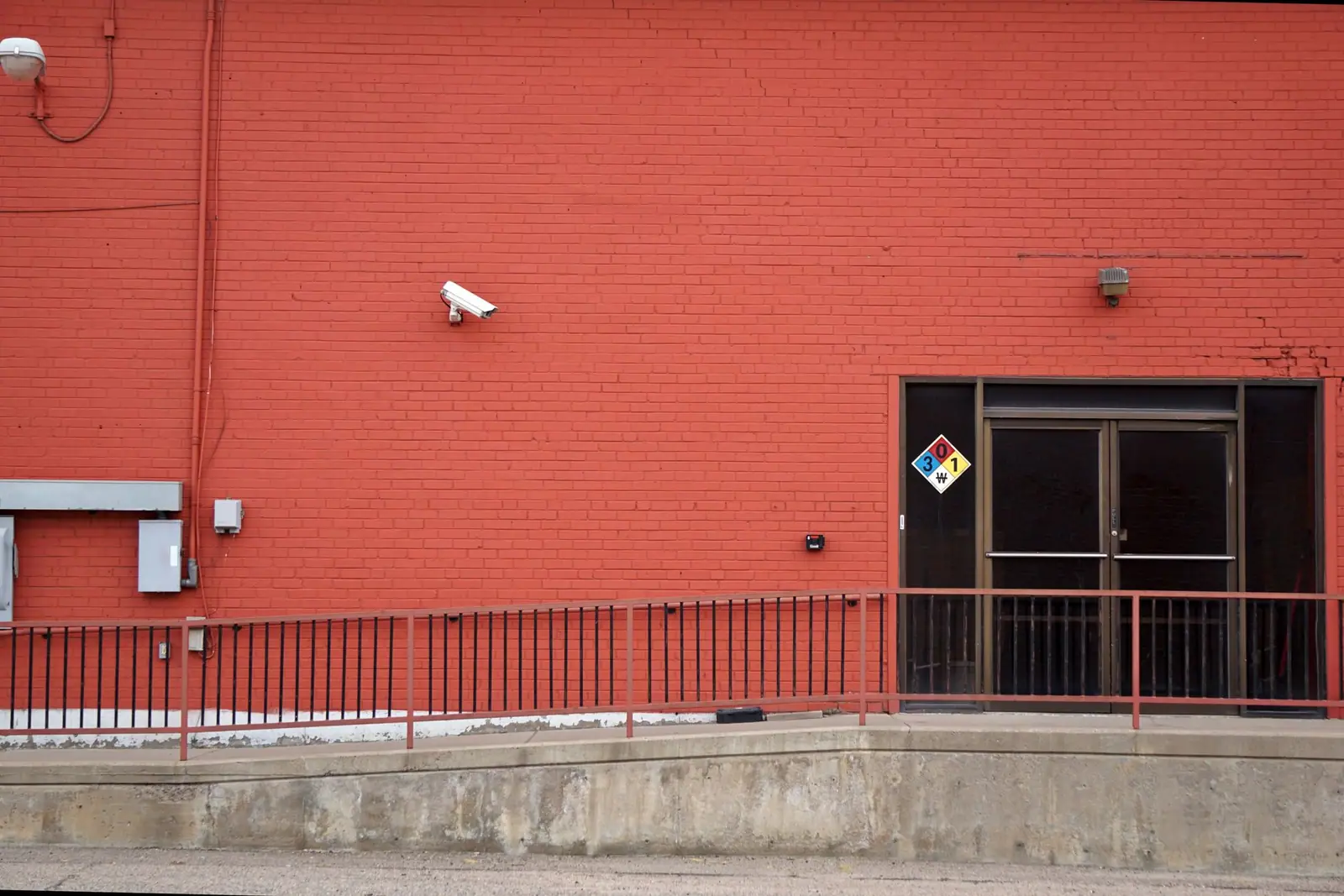
- Visible cameras deter. Federal policing guidance lists closed-circuit television among the measures shown to be effective at preventing burglary, alongside occupancy, lighting, window bars and attentive neighbours. That effect needs the camera to be seen.
- Discreet cameras record. A camera nobody notices gets better footage of somebody who is not performing for it.
The usual sensible mix is obvious coverage at the front, where deterrence is worth more, and discreet coverage at the back, where evidence is.
Indoors is a separate decision
Cameras inside the house raise questions that outdoor cameras do not: who can see the feed, whether it records when people are home, and what happens to the recordings. If you put one indoors, point it at an entry point rather than at a living space, turn it off when the house is occupied if the system allows it, and read our piece on account security before connecting anything.
And never put a camera anywhere with an expectation of privacy: bathrooms and bedrooms, including guest rooms and rooms used by anyone paying to stay.
Related reading: What Your Footage Is Worth to an Investigation and Who Else Can See Your Camera Feed.
Questions people ask
Where should I put security cameras?
Cover the ways in: the front door, the back or patio door, any side gate or path, and the driveway. Those four positions do nearly all the useful work for most homes.
How high should a security camera be mounted?
Roughly eight to ten feet. High enough to be awkward to reach, low enough that the camera records faces instead of the tops of heads.
Can I point a camera at my neighbour's property?
Avoid it. Framing a neighbour's door, windows or garden creates privacy and neighbour disputes, and it is the first thing raised if anything goes wrong. Crop motion zones so public areas do not trigger alerts.
Should cameras be visible or hidden?
Both jobs exist. Visible cameras deter, and closed-circuit television appears among the measures federal guidance lists as effective at preventing burglary. Discreet cameras get better footage of somebody who has not noticed them.
Where these figures come from
- False Burglar Alarms, 2nd Edition, Problem-Oriented Guides for Police No. 5 US Department of Justice, Office of Community Oriented Policing Services · portal.cops.usdoj.gov
- Securing Your Internet-Connected Devices at Home Federal Trade Commission · consumer.ftc.gov
Figures last checked September 2026.