On this page
Home cameras are sold on the promise of catching somebody. Mostly they do something more modest and still useful: they tell you what happened, when, and in which direction it went. Knowing the difference between that and identification will save you from buying four cameras that all do the same weak job.
Detection, recognition, identification
Think of it as three standards, in ascending order of difficulty:
- Detection. Something moved, and it was a person rather than a cat. Nearly any modern camera does this.
- Recognition. You can tell it is your neighbour, or the same person as last week, from clothing, build and gait.
- Identification. A stranger’s face or a plate is clear enough for somebody else to identify from the image alone.
Identification needs the subject close to the camera, well lit, and looking in roughly the right direction. That is why the front door camera is worth more than the one covering the whole garden: the useful footage comes from the choke point, not the panorama.
Distance is the whole story
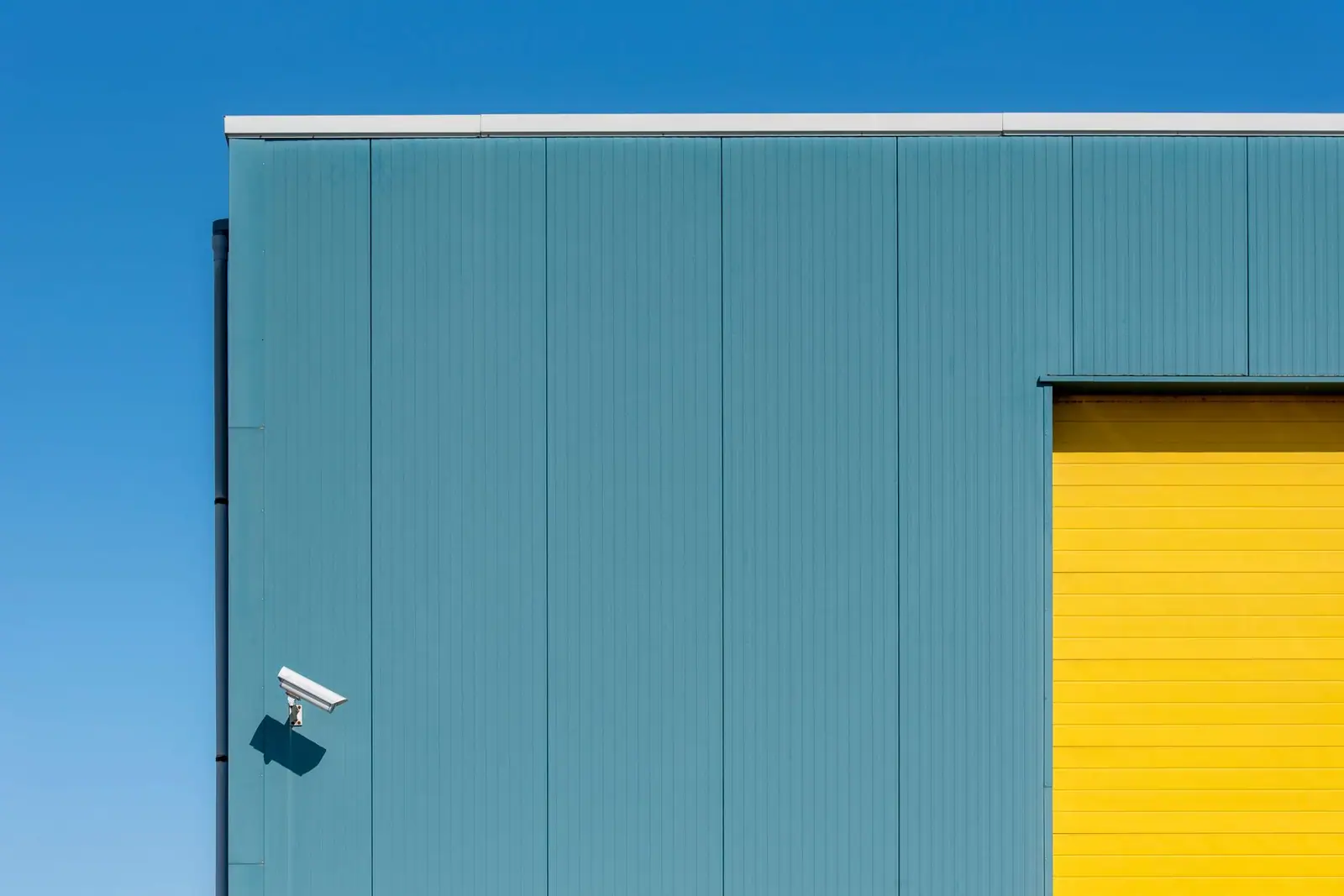
A wide-angle camera spreads its pixels across the scene. Double the distance and the number of pixels on a face falls by roughly four times. This is why the footage on the news is so often a grey shape: the camera was mounted where it could see everything, which means it saw nothing in detail.
Two practical rules:
- Put a camera where people must pass close: a door, a gate, the top of a drive, a porch step.
- Use the wide view for context and a second camera for the face, rather than expecting one camera to do both.
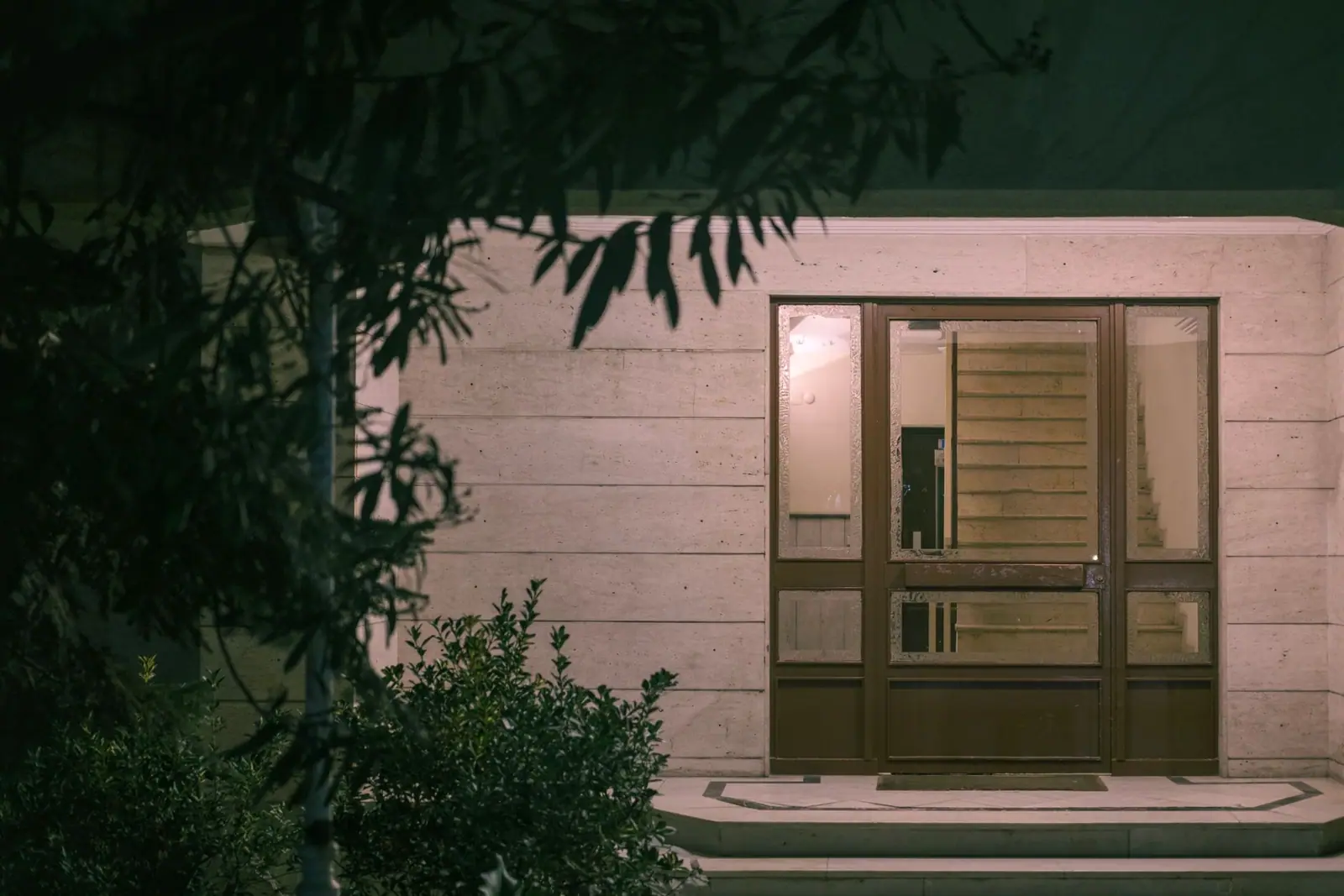
Night is the hard part
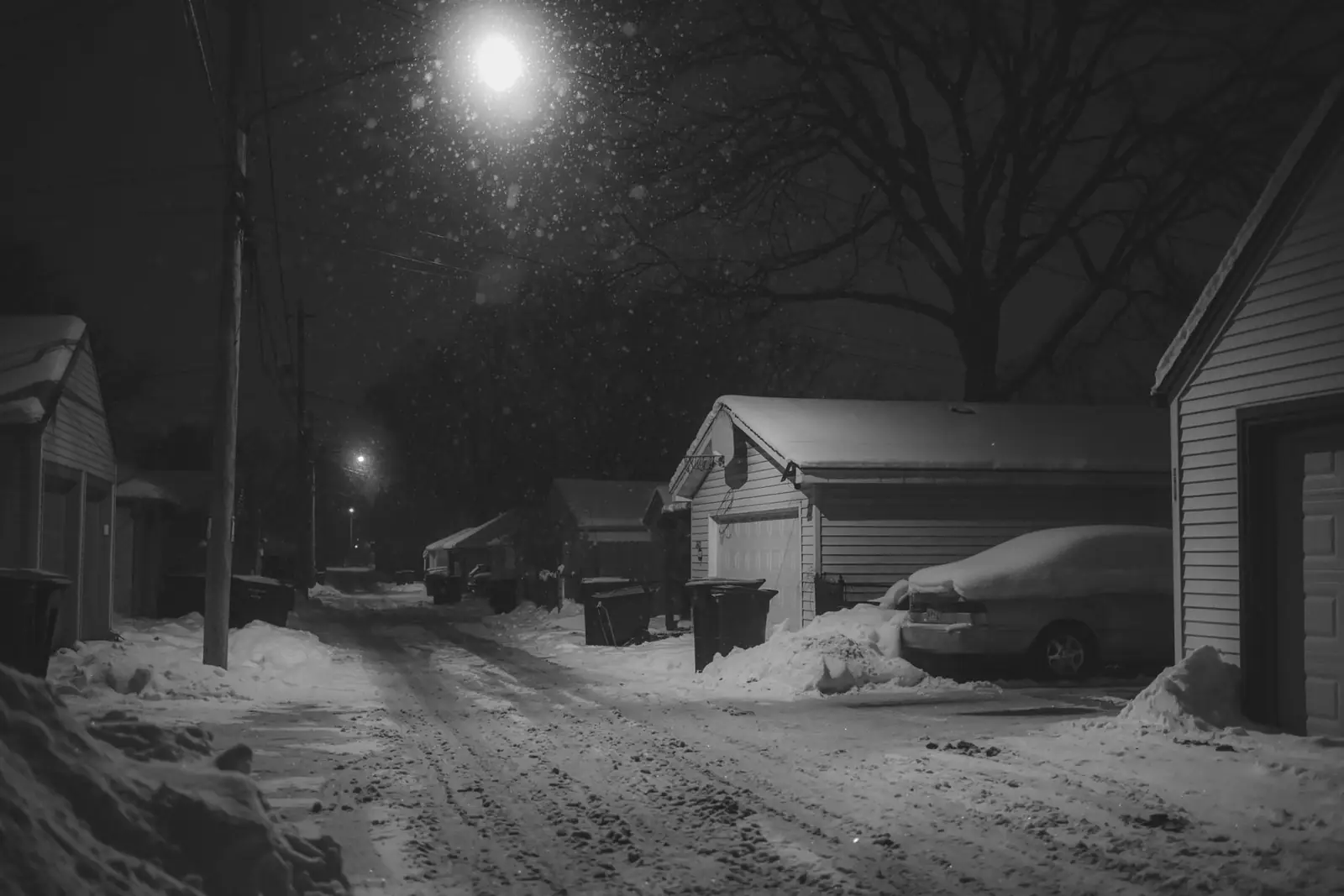
Infrared night vision produces a flat monochrome image, loses colour entirely and blows out anything close to the camera. Three fixes, in order of effect:
- Add light. A warm porch light or a motion-activated fitting does more for night footage than any specification.
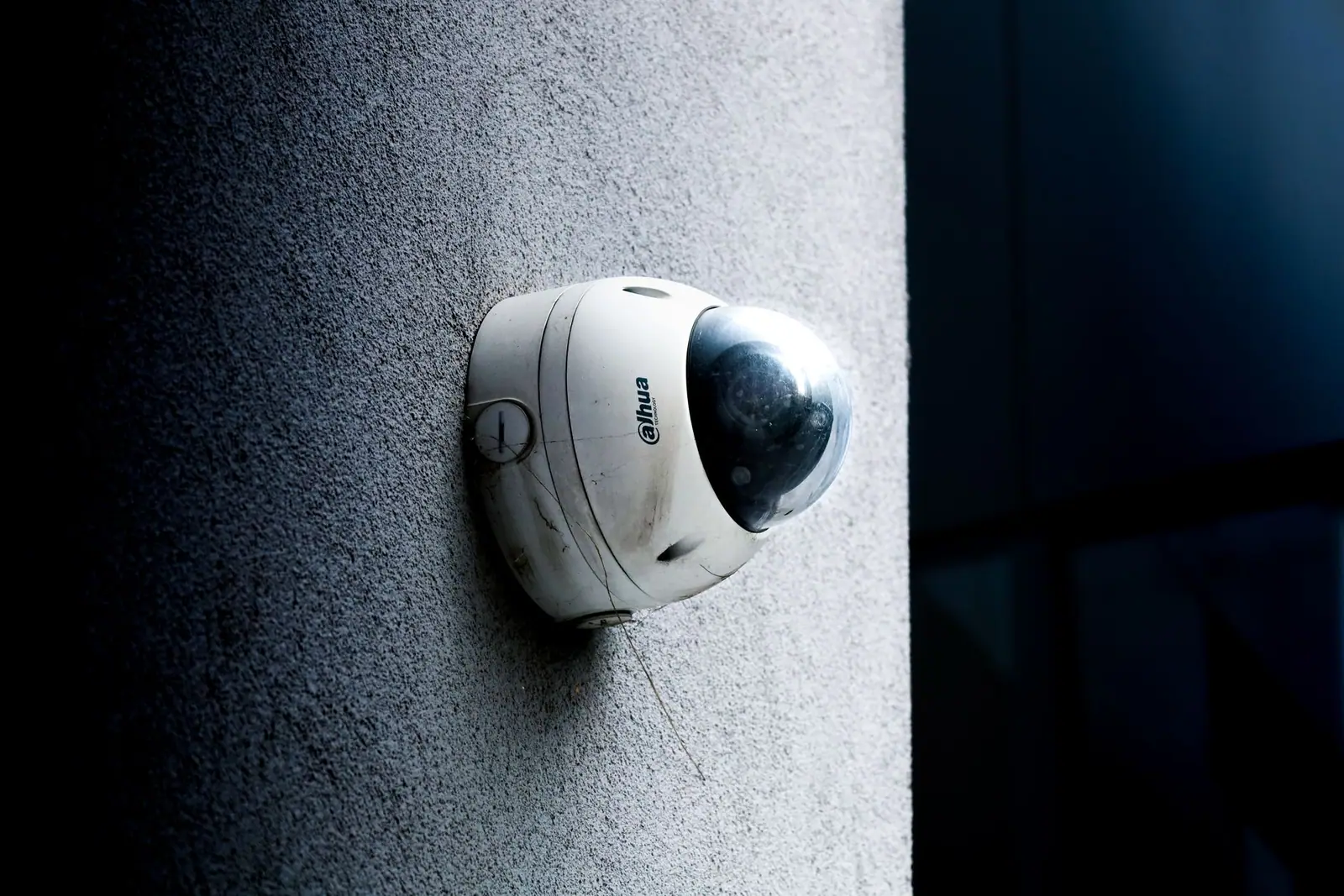
- Keep the lens clean and free of webs, which glow in infrared and wash out the frame.
- Avoid pointing through glass. Indoor cameras looking out of a window reflect their own infrared back and produce a white haze.
Do these things the same day
If something happens, the clock is against you, because storage plans overwrite.
- Export the clip from the app to a phone or computer rather than leaving it in the cloud. Save a margin either side of the event.
- Write down the times in plain terms, and check whether the camera’s clock is correct.
- Collect the neighbours’ angles early and politely. Their retention window is expiring too.
- Do not edit the original. Keep the exported file as it came out, and make any cropped version a separate copy.
- Report it. Whatever you think will come of it, an unreported crime is invisible to everything that follows, including insurance.
Fewer than half of burglaries are reported to police: the federal victimisation survey put the share of burglaries reported at about 41 percent in 2024. Your footage cannot help an investigation that never starts, and the data those decisions are based on comes from the same reports.
Realistic expectations
Cameras are good at:
- Telling you whether something happened at all
- Establishing a time, a direction and a vehicle
- Showing a delivery arriving or not arriving
- Deterring somebody who is choosing between houses
Cameras are weak at:
- Producing a clear face at distance, at night, or from an angle
- Getting help in real time, because nobody is watching live
- Covering everything, which is where people overspend
The household that gets the most out of cameras usually owns two or three well-placed ones, a retention window long enough to cover a holiday, and a habit of exporting anything interesting straight away.
Related reading: A Camera Installation Quote Needs a Complete Handover and Where Cameras Belong, and Where They Waste Money, plus When Police Ask for Your Doorbell Video.
Questions people ask
What resolution do I need to identify a face?
It depends far more on distance than on the camera's headline number, because a wide view spreads its pixels across the scene. A moderate camera at a doorway will identify a face that a high-resolution camera across a garden cannot.
Why is my night footage so poor?
Infrared night vision is flat, colourless and easily washed out by close objects, spider webs or reflections from glass. Adding a light near the entrance improves night footage more than upgrading the camera.
How long do I have to save a clip?
Only as long as your plan's retention window, after which it is overwritten. Export anything that matters the same day, and keep the original file rather than an edited version.
Is it worth reporting a break-in if nothing was taken?
Yes. Fewer than half of burglaries are reported, about 41 percent in 2024 according to the federal victimisation survey, which means both police resources and the national picture are based on incomplete data. Reporting also matters for insurance.
Where these figures come from
- Criminal Victimization, 2024 Bureau of Justice Statistics · bjs.ojp.gov
- False Burglar Alarms, 2nd Edition, Problem-Oriented Guides for Police No. 5 US Department of Justice, Office of Community Oriented Policing Services · portal.cops.usdoj.gov
Figures last checked September 2026.