On this page
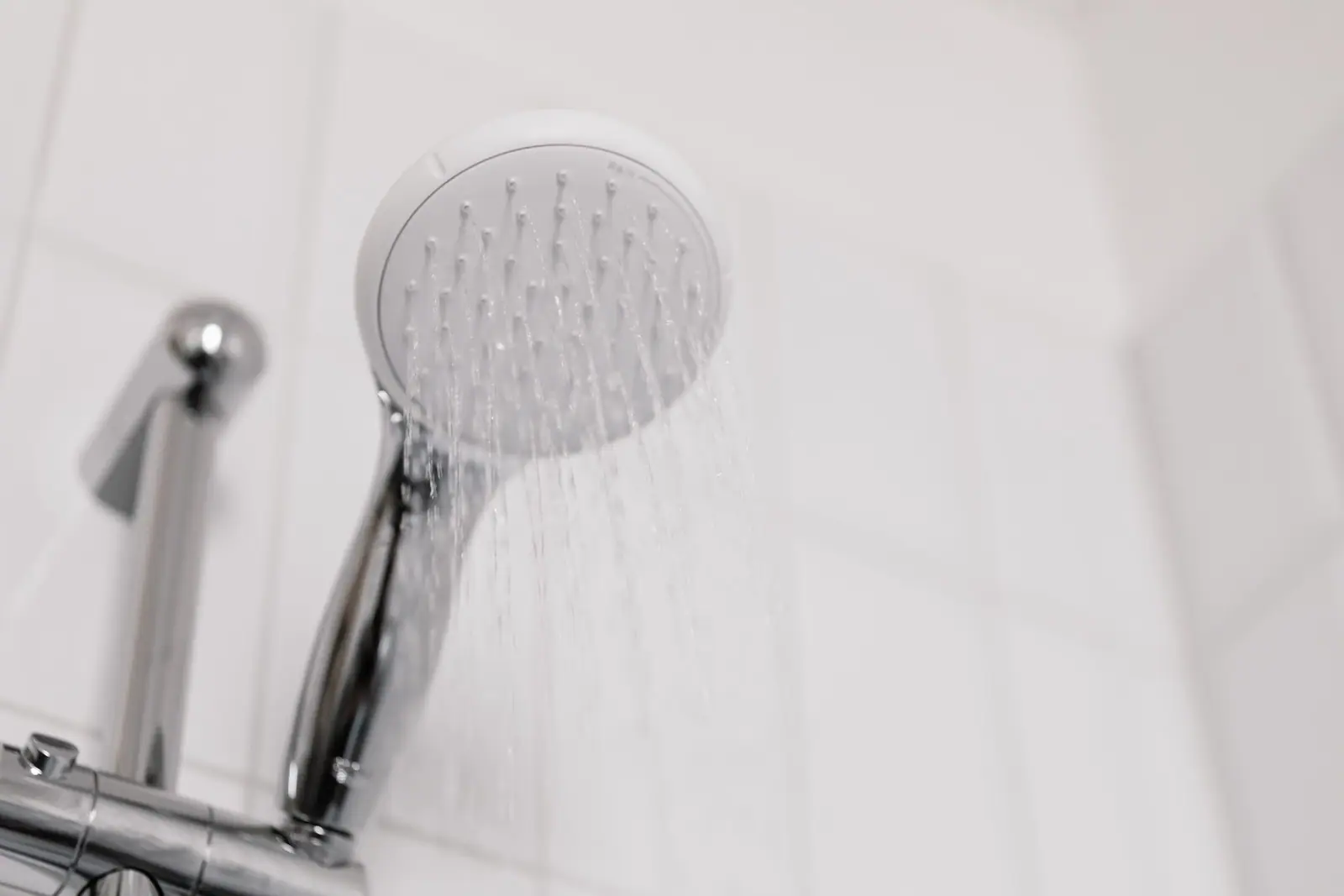
A lower-flow showerhead can save both water and the energy used to heat it. The payback is strongest when the existing head uses more water, shower time stays similar and the household pays usage-based water, sewer and heating charges. Replacing an already low-flow head gives a smaller saving than replacing a higher-flow one.
EPA’s WaterSense figures provide a national reference, while a manufacturer’s current price supplies a purchase example. Neither figure predicts one bathroom’s bill. The calculation should state the old and new flow rates, shower time, local utility charges and any installation costs instead of assuming the advertised saving applies everywhere.
Key figures
- $44.95 High Sierra Classic chrome, no trickle valve
- 2.0 gpm Maximum flow for a WaterSense-labeled showerhead
- 2,700 gallons EPA estimated yearly family water saving
The flow-rate option matters as much as the product name
EPA says showerheads carrying the WaterSense label use no more than two gallons per minute and meet performance requirements. Its showerhead guidance contrasts that with conventional heads using two and a half gallons per minute. The label identifies a performance standard, rather than only a smaller opening in the nozzle.
High Sierra’s chrome Classic fixed head without a trickle valve is listed at $44.95 on its product page, checked in October 2026. The selector includes several flow rates, including 1.25, 1.5, 1.8, 2.0 and 2.5 gallons per minute. A product family name does not establish that every selected flow option carries the same certification.
| Purchase or comparison figure | Published amount | Meaning |
|---|---|---|
| High Sierra Classic fixed, chrome, no trickle valve | $44.95 | Listed product price before tax and extras |
| EPA conventional-head reference | 2.5 gpm | Baseline flow for its comparison |
| WaterSense maximum labeled flow | 2.0 gpm | Label also requires performance testing |
| EPA average-family annual water saving | 2,700 gallons | Reference estimate, not measured household use |
| EPA annual electricity-saving reference | More than 330 kWh | Applies to its water-heating comparison |
Source note: High Sierra publishes the example purchase price and selectable flows. EPA supplies the WaterSense standard and average-family estimates. Optional extensions, installation, taxes and address-specific shipping are not included in the product price.
The manufacturer also offers extensions as separate options. Confirm whether the bathroom requires one before treating the head price as the installed total. Choose the flow and finish explicitly, and verify the selected model’s certification rather than relying on a category-level description.
Flow multiplied by shower time gives the water difference
An eight-minute shower at two and a half gallons per minute uses twenty gallons. At two gallons per minute it uses sixteen, saving four gallons if shower duration stays the same. At one and a half gallons per minute it uses twelve, saving eight gallons against the same old head.
For a hypothetical household taking two such showers daily, a change from 2.5 to 1.5 gallons per minute saves sixteen gallons per day. Over 365 days, that is 5,840 gallons. A change from 2.5 to 2.0 saves eight gallons daily, or 2,920 gallons annually. These are usage examples, not EPA’s measured average-family figures.
Longer showers can offset the reduction. A twelve-minute shower at one and a half gallons per minute uses eighteen gallons, compared with twenty gallons for the old eight-minute shower at 2.5. The saving then becomes two gallons rather than eight. Flow reduction is not a guarantee of the same percentage reduction in the annual bill.
Compare the existing flow with the selected replacement. Changing from two to one and a half gallons per minute saves one quarter of flow at equal duration, while changing from two and a half to one and a half saves two fifths. The same new head produces different savings from different baselines.
Water and sewer charges determine the water-only payback
Suppose combined usage-based water and sewer charges are a hypothetical ten dollars per thousand gallons. EPA’s 2,700-gallon reference is then worth $27 annually. Recovering a $44.95 purchase from water charges alone takes about 1.7 years, excluding installation and shipping.
At an assumed five dollars per thousand gallons, the saving is $13.50 a year and payback is about 3.3 years. At fifteen dollars, the saving is $40.50 and payback is about 1.1 years. These are tariff sensitivity examples, rather than rates quoted by a water utility.
Use only charges that fall with consumption. A fixed monthly water fee usually remains, and sewer billing may use a winter average or another method instead of the current month’s water use. Find the utility’s billing rule before counting every saved gallon as an immediate sewer-bill reduction.
The home-energy plan explains the difference between fixed and variable charges. For a home on a private well, water savings may reduce pumping and treatment rather than a municipal water bill. The well-water testing guide concerns water quality, which a new showerhead does not assess.
Water-heating savings can shorten payback
EPA says its average family could save more than 330 kilowatt-hours of electricity annually by using WaterSense showerheads. Using 330 as a reference at a hypothetical twenty cents per kilowatt-hour gives $66 in annual electricity savings. Adding the example $27 water saving gives $93 a year.
At that combined saving, the $44.95 price has a simple payback of about 0.48 years, or 5.8 months. Adding a hypothetical $40 installation charge raises the initial total to $84.95 and payback to about eleven months. These results inherit both EPA’s reference assumptions and the example tariffs.
Do not apply the electricity figure unchanged to gas water heating or a heat-pump water heater. Energy input per gallon differs with the equipment and temperatures. A heat pump’s higher efficiency can reduce the dollar benefit from avoiding hot water compared with electric resistance heating at the same electricity rate.
The heat-pump water-heater guide explores that equipment comparison. Avoid counting the same water-heating reduction twice when considering a more efficient heater and a lower-flow showerhead together. Model the remaining hot-water demand after the shower change.
Installation and satisfactory showers protect the saving
A replacement that leaks at the connection or encourages much longer showers can lose part of its benefit. Follow the product’s fitting and maintenance instructions, and confirm that the selected head suits the bathroom’s connection and water conditions.
Have a plumber assess uncertain damaged threads, concealed leaks or other connection problems before forcing a replacement into place. A showerhead purchase is not a repair for a defective valve or unsafe water-temperature control.
Keep the invoice, selected flow rate and old-head comparison. After installation, review shower duration and consumption over a representative period. A short calculated payback is persuasive only when the lower water use persists and the utility charges used in the model are ones the household can avoid.
Questions people ask
What is the WaterSense showerhead flow limit?
EPA says labeled showerheads use no more than 2.0 gallons per minute and meet performance requirements. Verify the selected model and flow option, rather than assuming every variant in a product family is labeled.
How much does the cited chrome fixed head cost?
High Sierra lists the Classic chrome fixed head without a trickle valve at $44.95 before taxes and extras, checked in October 2026.
How long is the water-only example payback?
Using EPA's 2,700-gallon reference and an assumed $10 per 1,000 gallons, annual water savings are $27. The $44.95 purchase takes about 1.7 years to recover before installation.
Does every household save 330 kWh?
No. EPA provides an average-family electricity reference. Shower use, inlet temperature, heater technology and fuel determine the household result; gas and heat-pump systems require different calculations.
Where these figures come from
- Showerheads: WaterSense Flow, Water and Energy Savings US Environmental Protection Agency · epa.gov
- Classic Fixed Shower Head, Chrome, No Trickle Valve High Sierra Showerheads · highsierrashowerheads.com
- Energy Saver Guide: Water Heating and Household Efficiency US Department of Energy · energy.gov
Figures last checked October 2026.