On this page
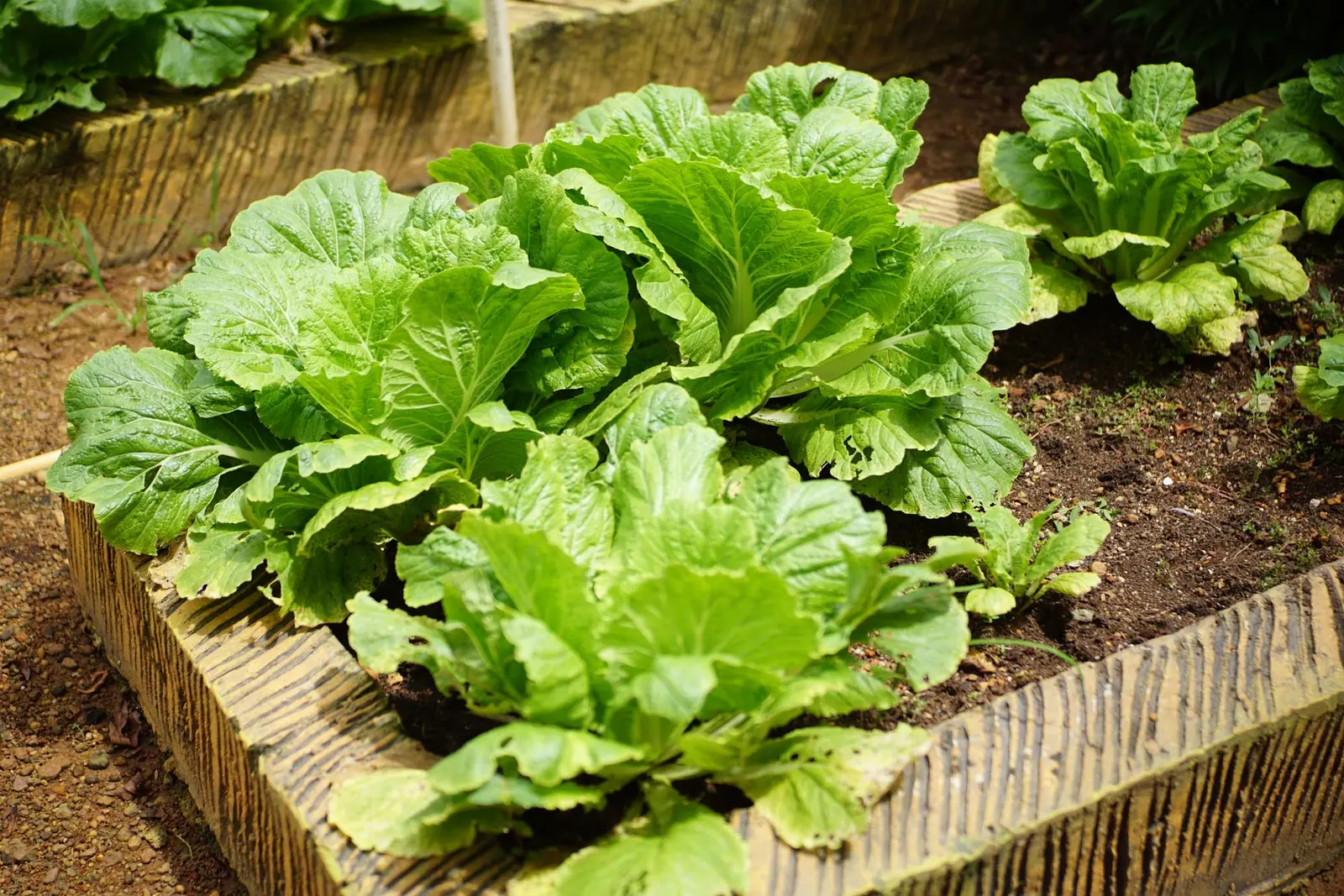
Look at any gardening feed and every garden seems to be a row of neat wooden boxes. They look great. They are also the most expensive way to start, and not always the most productive.
The right choice depends on your soil, your climate, your back and your budget.
Key figures
- 18 inches Bed height that reduces bending
- 32 cubic feet Example: 4-by-8-foot bed filled 12 inches deep
When raised beds are worth it
- Heavy clay or waterlogged ground. A bed lifts roots above soggy soil.
- Contaminated or unknown soil, common in urban yards. You bring in clean soil.
- Mobility. A bed 18 inches or higher saves a lot of kneeling and bending.
- Short springs. Raised soil warms earlier, so you can plant sooner.
- Tidiness and weed control. Edges keep grass out and make paths easy.
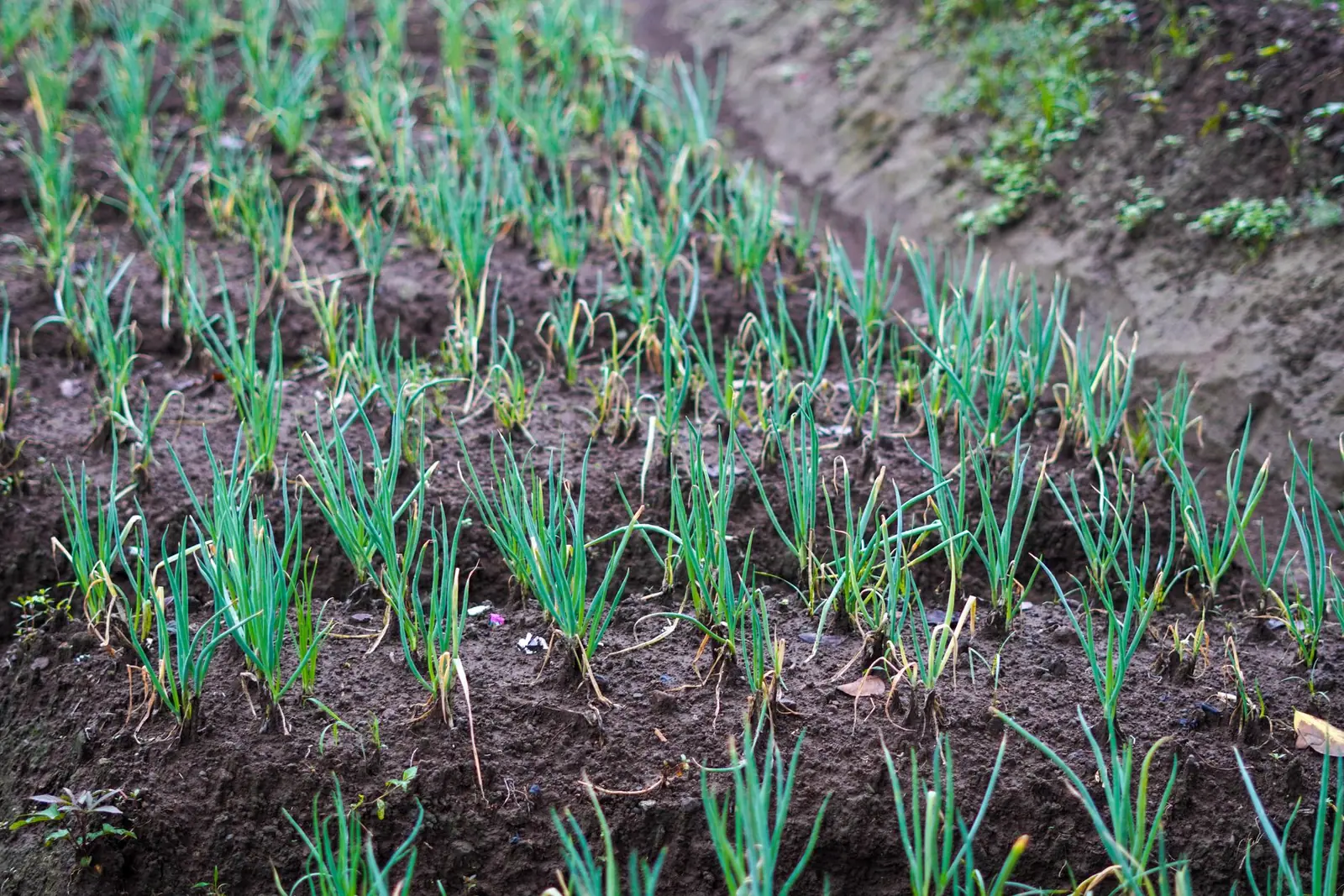
When in-ground makes more sense
- Loamy, well-drained soil that already grows a healthy lawn or weeds.
- Hot, dry climates. Raised beds lose moisture faster, and in-ground or even sunken beds hold water better.
- Large gardens where the cost of filling boxes would be huge.
- Sprawling crops like squash, melons and corn that do not fit neatly in a box.
Where the money actually goes
A raised bed has two costs: the frame and the fill. People plan for the frame and are surprised by the fill. A single 4 by 8 foot bed that is 12 inches deep holds 32 cubic feet of soil, which is more than a dozen typical 2 cubic foot bags.
| Raised bed | In-ground | |
|---|---|---|
| Setup cost | Frame plus soil to fill it | Mostly compost and a tiller or spade |
| Spring warm-up | Earlier | Later |
| Summer watering | More often | Less often |
| Drainage | Built in | Depends on your soil |
| Bending and weeding | Easier | Harder |
| Lifespan | Frame lasts years, depending on material | Indefinite |
A cheaper middle path
You can get most of the benefit of a raised bed without the box. Mound soil and compost into wide, flat-topped rows 6 to 8 inches high, and keep walking paths between them. The soil never gets stepped on, drains better, and costs only the compost.
If you are thinking about raised beds because you suspect bad soil, spend about $20 on an extension soil test first. It tells you whether the problem is real and what to add if you stay in the ground.
Related reading: How Much to Plant Per Person Without Wasting a Harvest and Seeds or Transplants: Which Vegetables to Buy as Plants.
Questions people ask
Do vegetables grow better in raised beds?
Not automatically. They grow better when raised beds fix a real problem, like poor drainage or compacted soil. On good ground, in-ground gardens perform just as well.
How deep should a raised bed be?
Eight to twelve inches works for most vegetables if the ground below is loosened. Deeper beds cost more to fill but help on hard or contaminated soil.
Do raised beds need more water?
Usually yes, especially in hot, dry, windy places. Mulch and drip irrigation help a lot.
Should I put cardboard at the bottom of a raised bed?
Cardboard smothers grass and weeds and breaks down over a season. Remove plastic tape first, and skip it over soil you want roots to reach quickly.
Where these figures come from
- Soil Testing and Soil Testing Labs University of Maryland Extension · extension.umd.edu
- Drip Irrigation for Home Gardens Colorado State University Extension · extension.colostate.edu
Figures last checked September 2026.