On this page
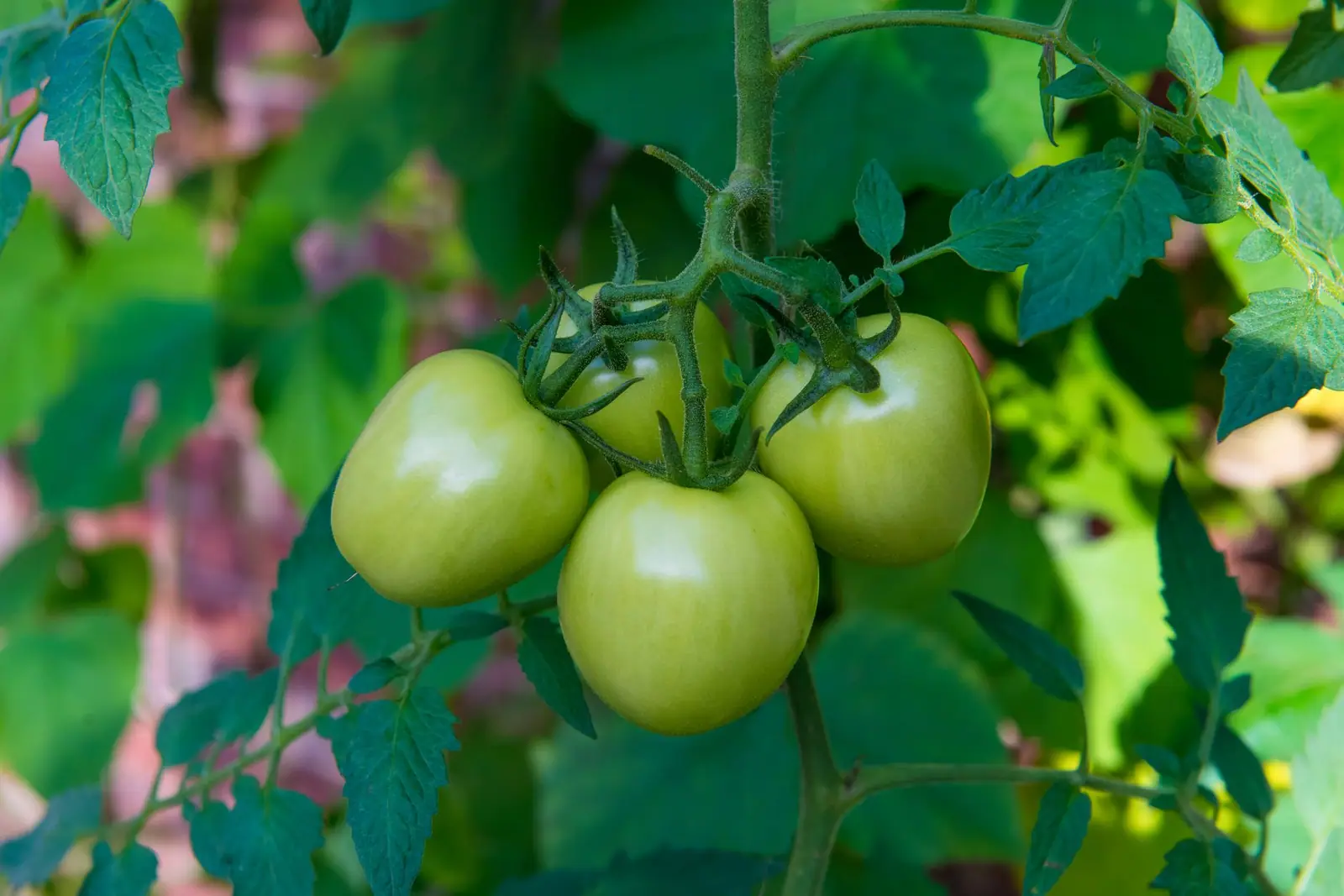
You find it on your first ripe tomato: a dark, leathery patch on the bottom that spreads until the fruit is useless. The internet’s usual answer is to add calcium, and garden centers sell sprays and granules for exactly that.
Most of the time that money is wasted. The problem is rarely in the soil at all.
What is actually going on
Blossom end rot shows up on tomatoes, peppers, eggplant, squash and watermelon. The University of Maryland Extension describes it as a disorder caused by a shortage of calcium in the enlarging fruit. The key word is in the fruit. The same source notes it can appear even when soil calcium is perfectly adequate.
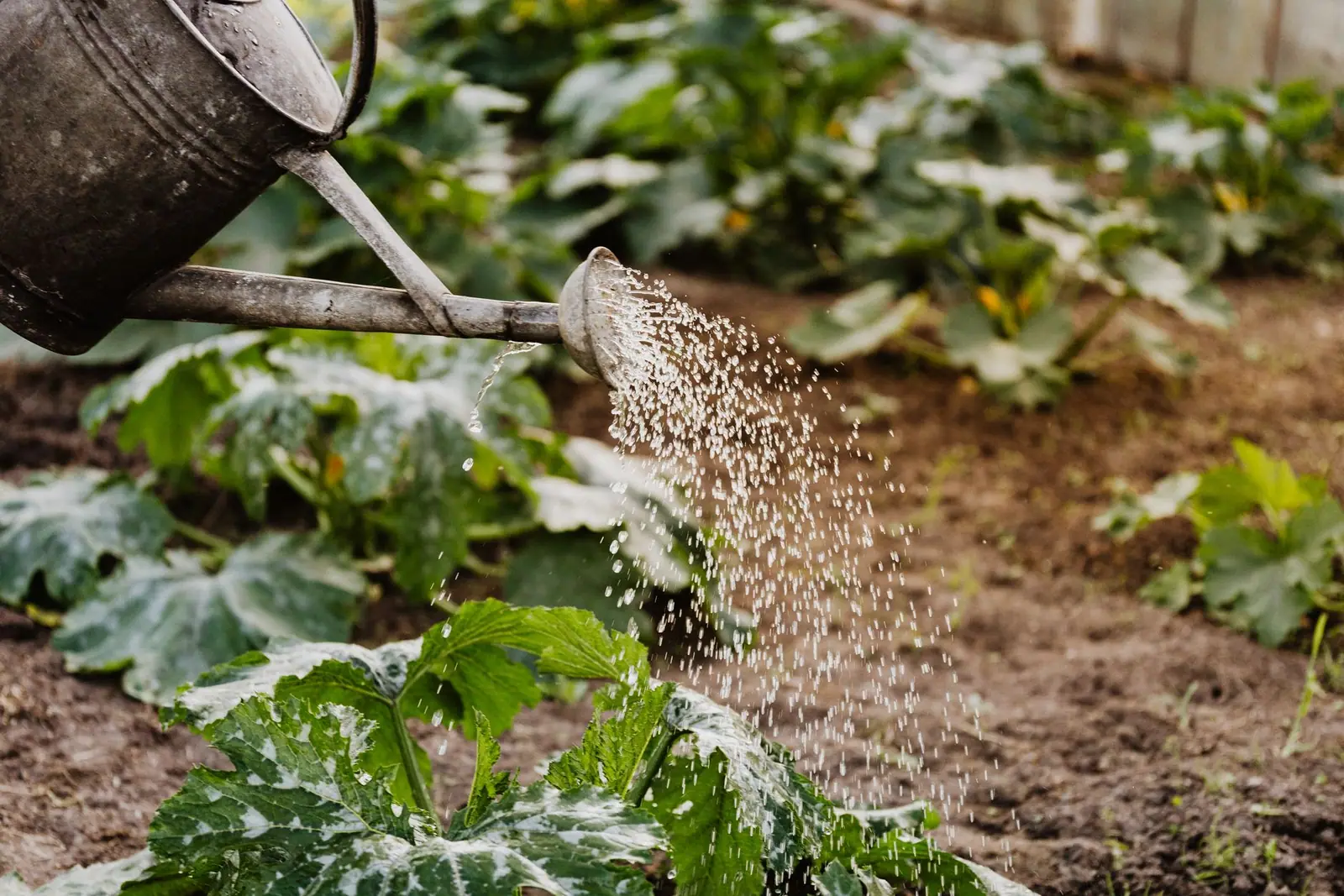
Calcium travels through a plant dissolved in water, and it does not move back out of leaves once it arrives. When the roots get a steady supply of moisture, calcium flows steadily to the fruit. When the soil dries out, the flow stalls. The blossom end, farthest from the stem, is the first place to go short.
Why the common fixes disappoint
- Calcium sprays on leaves. The fruit skin does not absorb much of it, so it barely reaches the part that needs it.
- Eggshells in the planting hole. They break down far too slowly to supply anything this season.
- Lime or gypsum without a test. If your soil already has enough calcium, adding more changes nothing, and lime can push pH too high.
What actually prevents it
- Water on a schedule, not on a whim. Aim for consistent moisture. Maryland Extension suggests plants get 1 to 2 inches of water per week.
- Mulch the bed. A few inches of straw or shredded leaves slows evaporation and evens out moisture between waterings.
- Go easy on nitrogen. Heavy feeding pushes leafy growth that competes with the fruit for calcium.
- Protect the roots. Deep cultivation near plants cuts the roots that take up water.
- Test the soil once. If a test does show low calcium or low pH, follow its recommendation instead of guessing.
Blossom end rot often hits the first tomatoes of the season, then fades as the plant settles and the weather evens out. Pick off damaged fruit and keep watering steadily. Later fruit is often fine.
Is the rest of the tomato safe?
Yes. It is a physiological disorder, not a disease, so it does not spread to other fruit or plants. You can cut away the damaged part and eat the rest, as long as no mold or rot has set in.
Related reading: Why a $20 Soil Test Beats Any Bag of Fertilizer and Does a Vegetable Garden Actually Save You Money?.
Questions people ask
Should I add calcium to fix blossom end rot?
Only if a soil test shows your soil is low in calcium. In most gardens the soil has enough, and the real fix is steady watering and mulch.
Do eggshells prevent blossom end rot?
Not in the same season. Eggshells break down very slowly, so they do not supply calcium when the plant needs it.
Can container tomatoes get blossom end rot?
Yes, and often more easily, because pots dry out fast. Check containers daily in hot weather and water thoroughly.
Can I eat a tomato with blossom end rot?
Yes. Cut off the damaged area. The disorder is not an infection, though a damaged spot can let mold in, so discard fruit that has gone soft or moldy.
Where these figures come from
- Blossom End Rot on Vegetables University of Maryland Extension · extension.umd.edu
- Put an End to Blossom-End Rot: Water and Nutrient Management is Key University of Connecticut Home Garden Education Office · homegarden.cahnr.uconn.edu
Figures last checked September 2026.