On this page
If you fix only one thing about a wood-burning household, fix the wood. Almost everything people complain about, smoky glass, poor heat, frequent sweeping, a stove that will not draw, traces back to burning wood that is still wet.
Key figures
- less than 20 percent EPA target moisture for firewood before burning
- at least six months Minimum seasoning before checking firewood moisture, EPA
What the guidance says
EPA’s Burn Wise material is direct:
- Wood burns best at a moisture content of less than 20 percent.
- Season wood for at least six months.
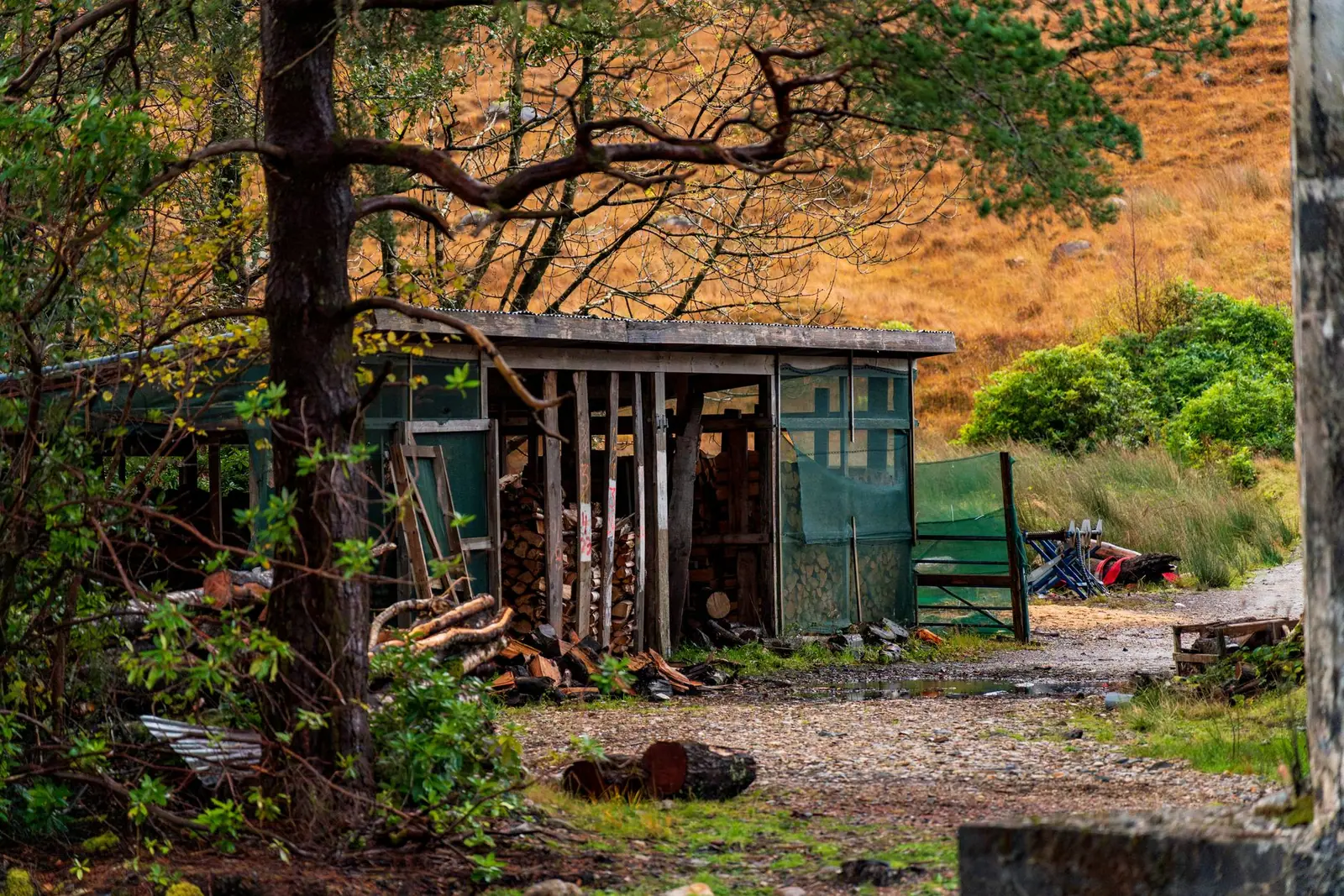
- Store it outdoors, off the ground, with only the top covered, to keep rain off while letting air move through.
- Test with a moisture meter before burning.
Six months is a minimum rather than a rule. Dense hardwoods in a humid climate often need a full year or more; softwoods split small in a windy, sunny spot can be ready faster.
Why wet wood costs you twice
Freshly cut wood can be half water by weight. That water has to be boiled off before the wood can burn properly, and the energy to do it comes out of your fire.
The consequences, in order of how quickly you notice them:
- Less heat in the room from the same volume of wood, because a share of the energy went into steam.
- Smoke instead of flame, because the firebox never reaches the temperature at which the gases burn.
- Creosote in the flue, as those unburned gases condense on the way up. EPA notes creosote is the main cause of chimney fires.
- Dirty glass and a sulky fire, which is the household symptom people blame on the stove.
A certified stove burning wet wood produces smoke that its certification never anticipated. The label is a laboratory result; the wood is what happens in your house.
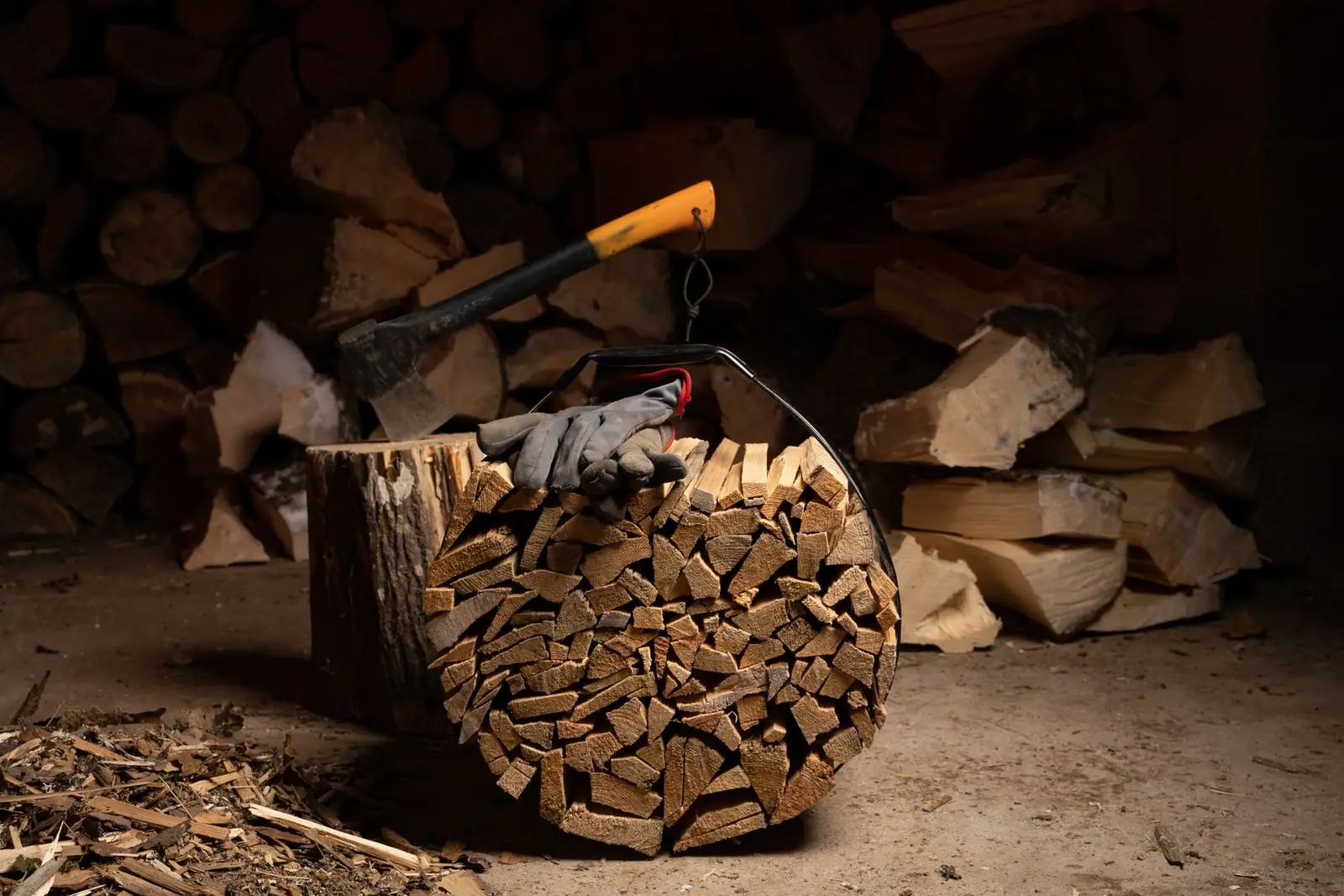
How to use a moisture meter properly
- Split a piece first, and test the fresh inner face. The outside of a log dries long before the middle does.
- Test across the grain, pressing the pins in firmly.
- Test several pieces from different parts of the stack, including the middle rows.
- Test at room temperature where you can. Very cold wood reads low.
- Below 20 percent: burn it. 20 to 25: usable but not ideal. Above 25: stack it and wait.
Stacking so wood actually dries
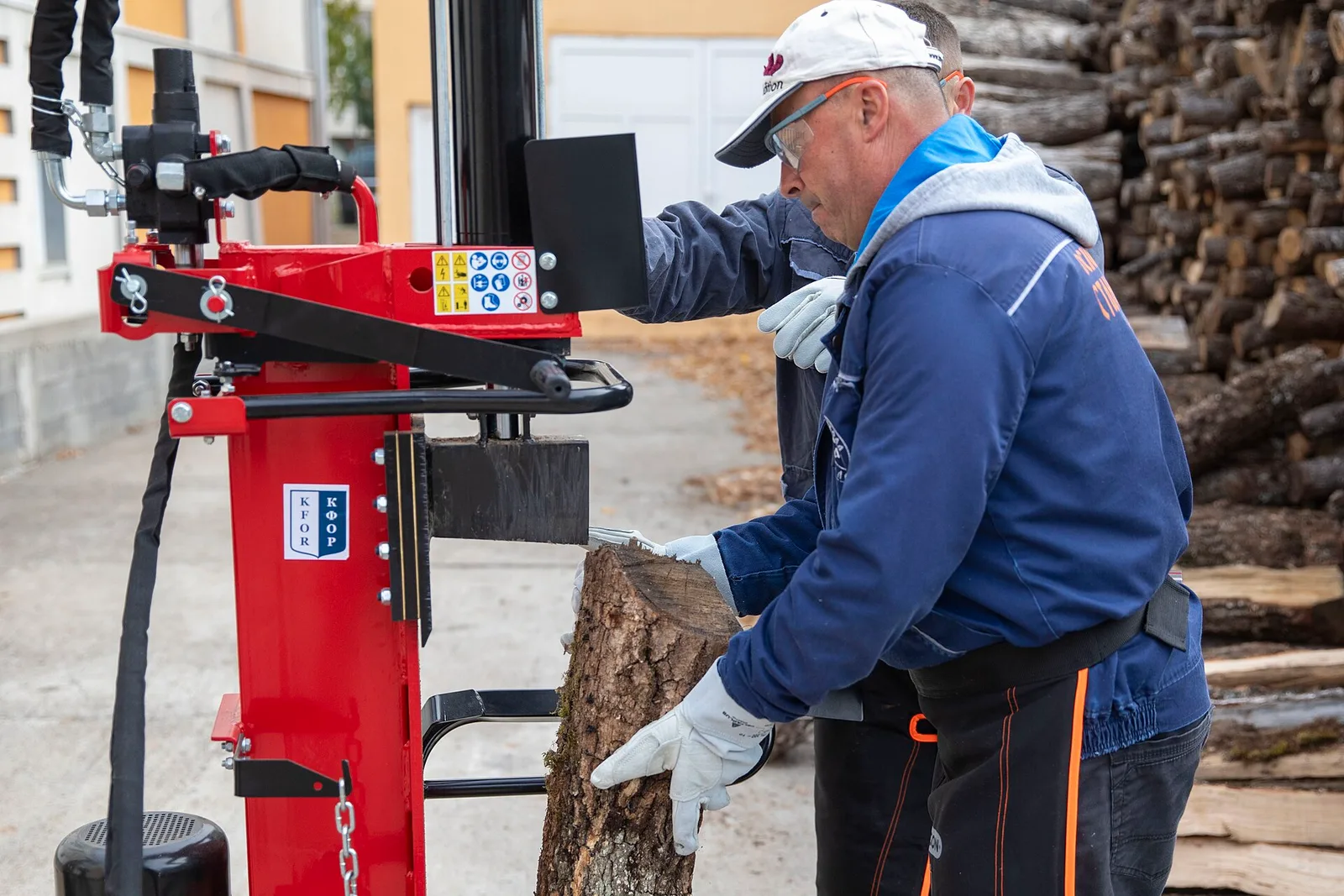
- Split it first. Bark resists water leaving as well as entering, so rounds dry very slowly.
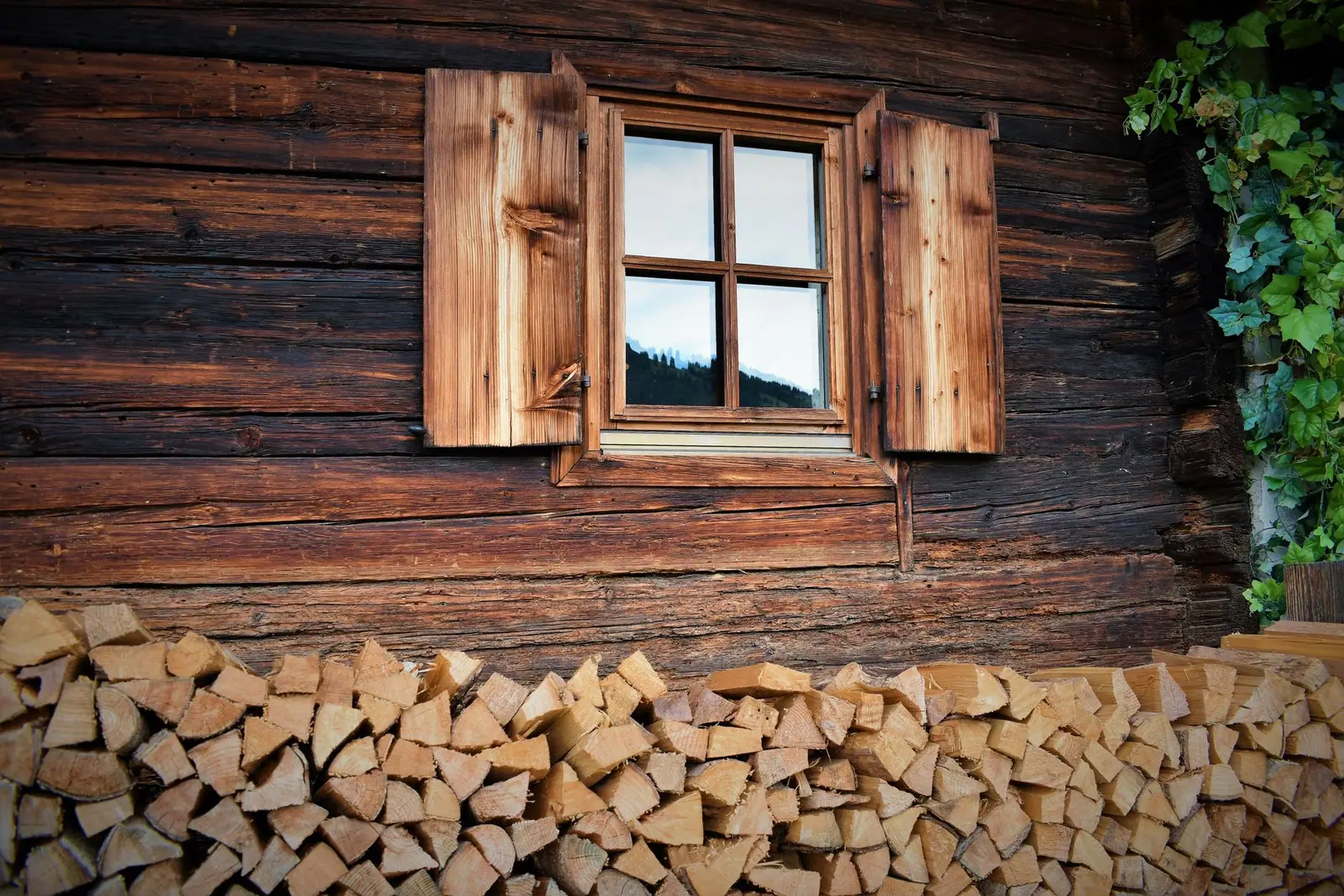
- Get it off the ground on pallets, rails or scrap timber, so the bottom row does not wick moisture up.
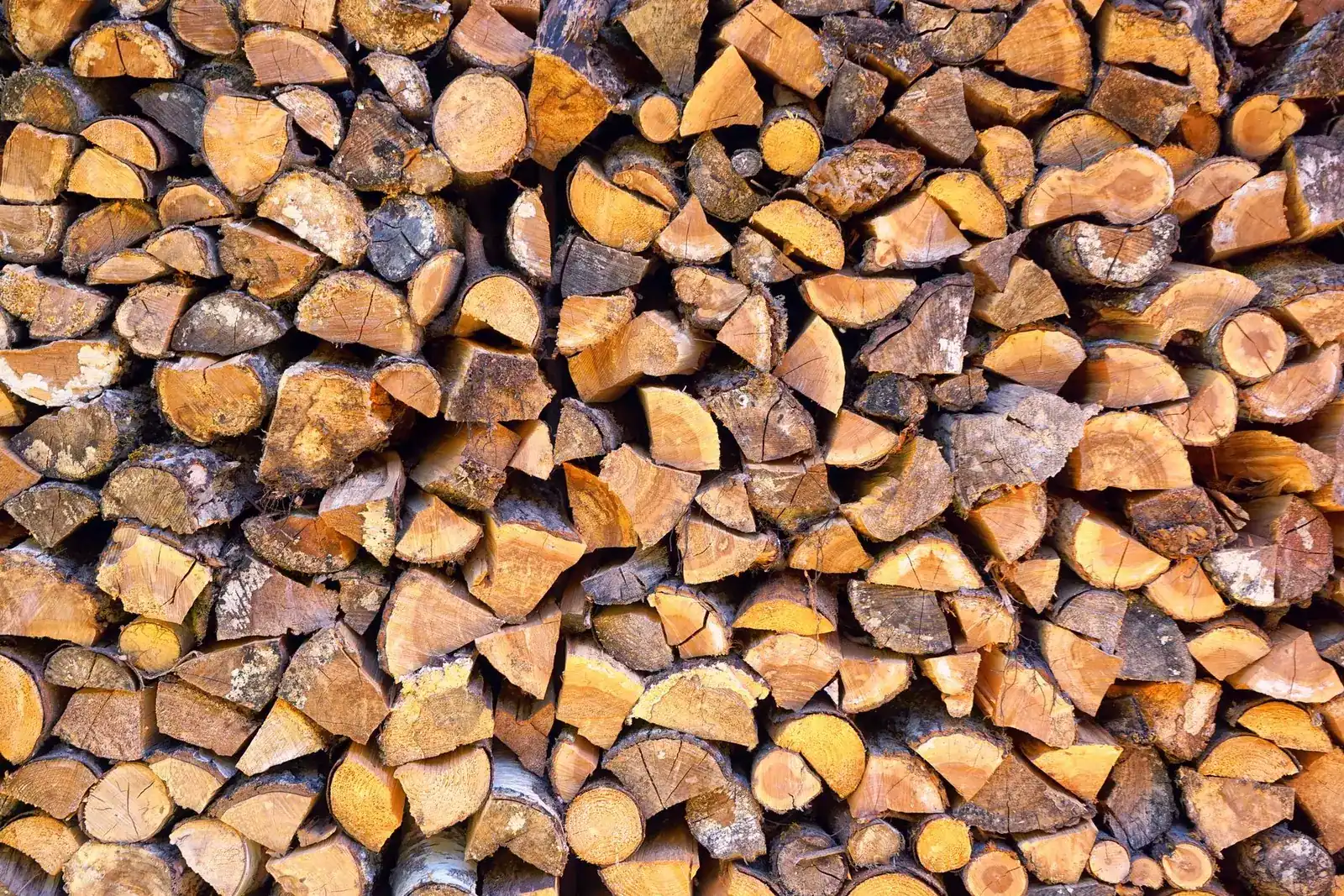
- Single rows beat big blocks, with a gap between rows for air.
- Face the prevailing wind and the sun if you have the choice. Wind does more than sun.
- Cover only the top, with a sheet or a roof that overhangs a little. A tarpaulin wrapped down the sides turns a stack into a humidity chamber.
- Leave a gap from walls and fences, for airflow and to keep insects away from the building.
- Label the year. Two stacks, this year’s and next year’s, is the simplest system that works.
“Seasoned” on an invoice means whatever the seller wants it to mean. It is not a defined term in the rules that govern firewood sales, unlike the cord, which is defined precisely. Ask when the wood was cut and split, and check it yourself with a meter rather than relying on the word.
Species, briefly
Dense hardwoods hold more energy per cord and burn longer; softwoods light easily, burn fast and are excellent for kindling and shoulder-season fires. Both burn cleanly when dry and badly when wet, which matters more than the species argument.
Two practical points:
- Softwood does not cause creosote by itself. Wet wood and cool, smouldering fires do. Dry softwood burned hot is clean.
- Dense species take longer to season. Oak is the classic example: often a full two years for a good result, where a split softwood may be ready in one summer.
The system that ends the problem
Buy wood a year before you need it, split it if it is not already, stack it properly in spring, and burn last year’s stack this winter. That is the entire method, it costs nothing except space, and it removes the majority of the complaints people have about wood heat.
Related reading: A Log Splitter Rental Needs a Complete Work Plan and Where to Put the Woodpile, and Why It Matters.
Questions people ask
How dry should firewood be?
Below 20 percent moisture, according to EPA, which also advises seasoning for at least six months. Dense hardwoods often need a year or more, so treat six months as a minimum rather than a target.
How long does firewood take to season?
At least six months in EPA's guidance, and longer for dense hardwoods such as oak, which frequently need a year or two. Splitting, stacking off the ground with only the top covered and good airflow all shorten it.
Should I cover my firewood with a tarp?
Cover only the top. EPA's advice is to store wood outdoors, off the ground, with only the top covered. Wrapping a stack down the sides traps moisture and prevents the airflow that dries it.
Is a firewood moisture meter worth buying?
Yes, because it settles the only question that matters. Split a piece, test the fresh inner face, and test several pieces from different parts of the stack. It costs far less than one delivery of wood you cannot burn well.
Where these figures come from
- Best Wood-Burning Practices US Environmental Protection Agency, Burn Wise · epa.gov
- Pellet Stoves US Environmental Protection Agency, Burn Wise · epa.gov
- NIST Handbook 130, Uniform Regulation for the Method of Sale of Commodities National Institute of Standards and Technology · nist.gov
Figures last checked September 2026.