On this page
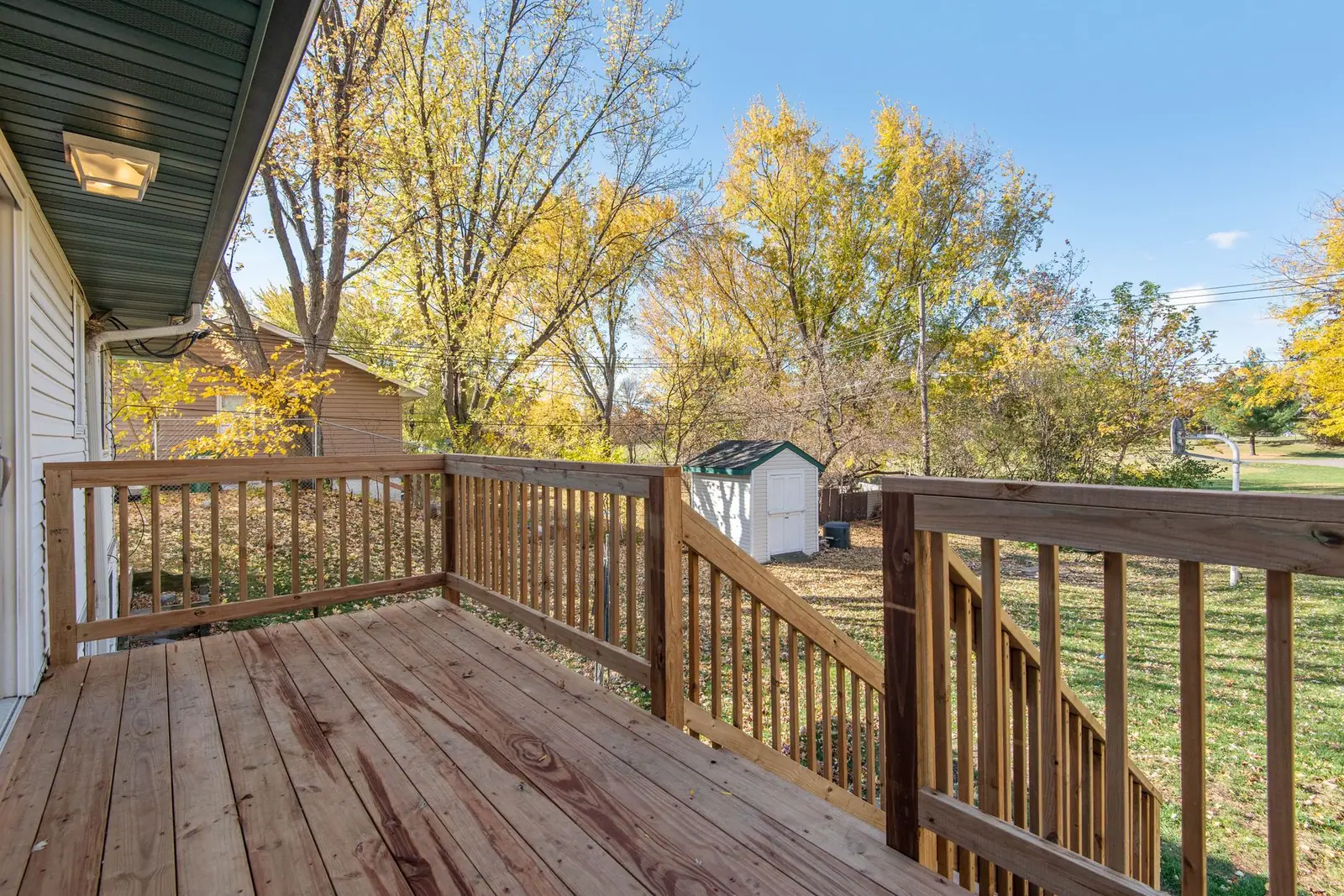
Deck repair costs follow the damage, not just the deck’s area. Replacing several surface boards can be a small carpentry job. Repairing the connection to the house or deteriorated framing can require access, temporary support, design and a much larger scope. An attractive new surface does not establish that the structure beneath it is sound.
One current labor benchmark comes from On Duty Handyman in Kitsap, Washington: $125 for the first hour, with a 1-hour minimum, then $105 per additional hour. Its March 2026 rate page distinguishes small handyman jobs from larger deck projects, which receive flat or area-based estimates. The hourly arithmetic below illustrates minor work only; it does not price structural rebuilding.
Key figures
- $125 Example: minor deck repair labor, one hour
- $230 Example: minor deck repair labor, two hours
- $335 Example: minor deck repair labor, three hours
The repair boundary starts below the boards
NADRA’s deck evaluation guide covers stairs, footings and supports, posts, beams and joists, the ledger, decking and handrails or guards. That scope explains why a board-only estimate should follow an assessment rather than stand in for one. Ask the contractor which components were examined and which defects the proposed repair addresses.
Describe loose or damaged boards, movement, stains and any known water problems without testing a suspect structure yourself. Tell the estimator whether damage is widespread or concentrated beside the house, under a planter or near a stair connection. Those locations can change access and the repair boundary even when the visible surface area is small.
A quote should distinguish replacement decking from work on load-carrying members and connections. Ask whether the contractor can retain the existing framing and why. Keep a whole-deck rebuild alternative separate so that a small surface repair and a new structure are not compared as though they deliver the same result.
Published hourly rates can budget a small job
| Assumed time for a minor repair | Labor at the published rate | Calculation |
|---|---|---|
| 1 hour | $125 | First-hour minimum |
| 2 hours | $230 | $125 + $105 |
| 3 hours | $335 | $125 + 2 × $105 |
| 4 hours | $440 | $125 + 3 × $105 |
Source: On Duty Handyman’s own March 7, 2026 rate page, checked October 2026. Times are assumptions, not promises about how long deck repairs take. Material, tax, disposal, permits and subcontractor work are not included in these labor calculations.
- 1 hour$125
- 2 hours$230
- 3 hours$335
- 4 hours$440
Sources cited in this article: On Duty Handyman, Kitsap, North American Deck and Railing Association, Federal Trade Commission. Illustrative worksheet values, not quotations. Values reproduce the table; consult its scope and exclusions.
Ask whether time includes collecting materials, removing old boards, cleanup and disposing of waste. A quoted 3-hour visit cannot be compared with another contractor’s installation-only time until both cover the same tasks. The provider says larger or multiday projects use other pricing arrangements, so extending this table over a whole rebuild would misrepresent its offer.
Minimum charges also affect short return visits. Two separate 1-hour appointments would be $250 at this rate, while one 2-hour appointment is $230. The $20 difference follows the published first-hour premium, not a guaranteed scheduling discount. Confirm how return trips and inspection visits are billed for the proposed job.
Material quantities and markups change the subtotal
For a hypothetical board replacement, 6 boards each 12 feet long require 72 linear feet before cuts or waste. That is a purchasing quantity, not 72 square feet of deck. The board width, profile, material and fastening system need to be specified before a per-board or per-foot price can be compared.
On Duty publishes a 25% markup for materials it buys at retail for reimbursement. If a labeled example has $160 of retail material cost, that becomes $200 before any further tax treatment. Add the assumed 3-hour $335 labor total and the subtotal is $535, excluding disposal and other charges. The $160 is an invented example budget, not a published lumber price.
The provider separately describes a 20% markup before sales tax for wholesale purchases it finances and resells. Do not add both percentages to the same material purchase. Ask which arrangement applies, whether material prices already include tax and how an owner-supplied order affects the installation warranty. The contractor estimate guide helps record these terms.
Structural repairs need a different estimate
Surface work can reveal damage below the deck. Agree in advance on how the contractor stops, documents the finding and prices additional work. A unit rate for replacing another surface board does not authorize replacement of a joist or ledger at an unknown total. Photographs and an explanation of the defect give you a basis for deciding on the next stage.
Ask who assesses structural changes, whether design is required and which permits or inspections apply in your location. Record who handles those tasks and their costs in the quote. A generic height, fastener schedule or connection rule from an online cost guide cannot substitute for assessment of the existing structure.
If access requires removing boards, rails or enclosed skirting, include restoration. A repair estimate should state what remains in place and what is replaced, including the attachment to the house and any flashing affected by the job. The repairs to leave to professionals guide covers why structural work deserves a different decision from routine surface upkeep.
Finishing and access explain differences between bids
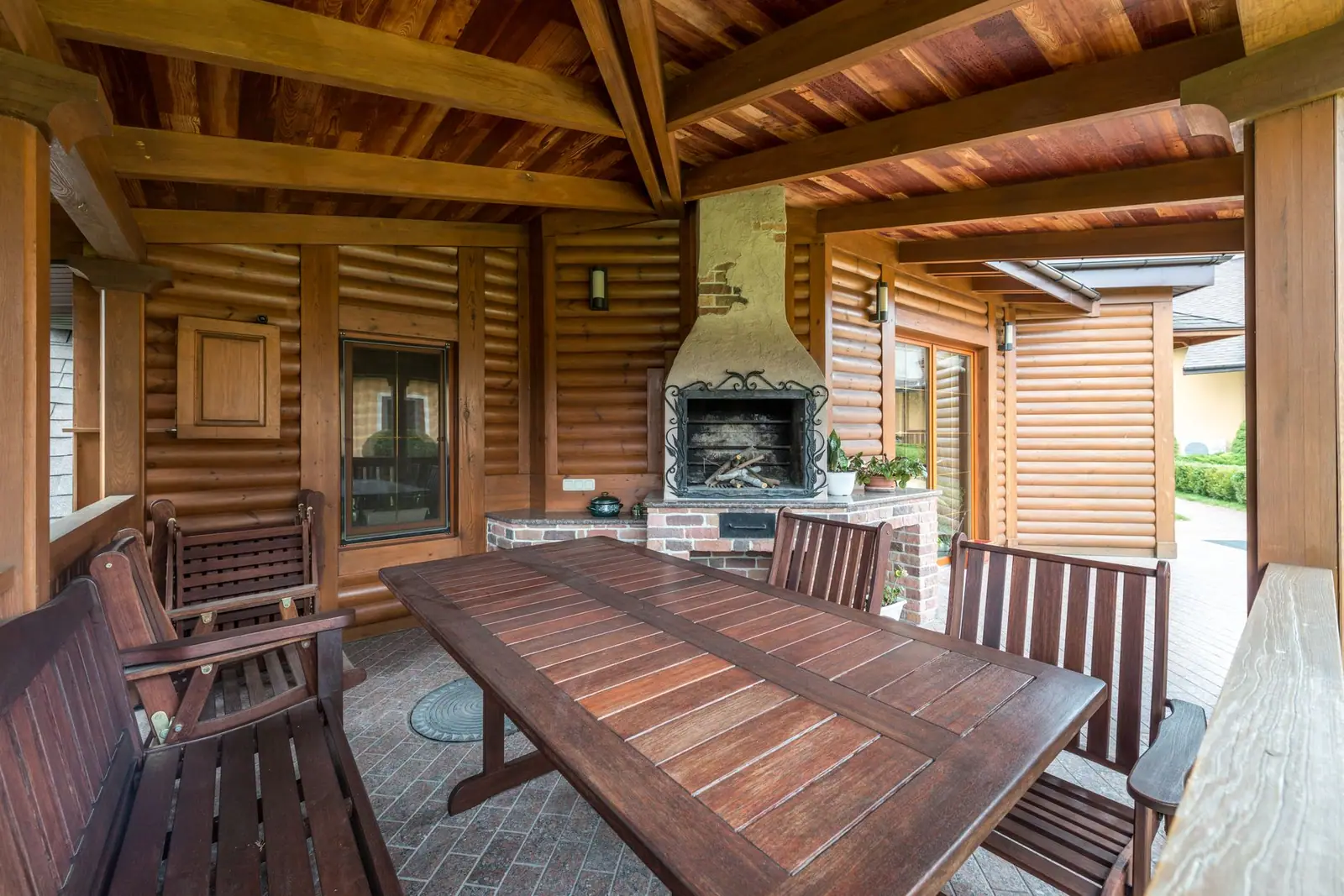
New boards may differ from weathered neighboring boards in color and texture. Ask whether the price includes only installation or also cleaning and finishing the repaired area. A coating over a few new boards is not the same purchase as preparing and finishing the entire deck. State the area and product in the estimate.
For a hypothetical 12-by-16-foot deck, the rectangular area is 192 square feet. If the job replaces only six boards, do not multiply a whole-deck finishing rate by that small repair quantity and assume the rest is included. Conversely, an area-based restoration quote should identify which surfaces it covers, including stairs or rails if they are part of the price.
Waste removal, difficult access and protecting the area below the deck can also add work. Ask where debris goes and whether loading and disposal are included. The home repair budget guide helps keep a known repair subtotal separate from allowances for findings that have not yet been established.
If the deck moves, a guard is loose or supports appear damaged, keep people away and obtain a trained deck contractor’s assessment. Do not load-test it, crawl under an unstable structure or attempt temporary structural fixes while pricing the repair.
A finished repair has evidence and warranty terms
The FTC recommends comparing estimates that state work, materials, timing and price. For a deck, add the inspected components, the agreed replacement quantity and how hidden damage changes the scope. A contractor’s license and insurance should be checked through the relevant authority and documents rather than inferred from a website badge.
Ask for photographs of work that will be covered, a record of materials and the workmanship warranty. Keep any required inspection results with the invoice. Those records help distinguish a later surface-maintenance problem from a callback concerning the connections or components replaced during the repair.
Questions people ask
Can hourly rates price a whole deck rebuild?
Not from the cited provider's small-job rate. On Duty Handyman says larger deck projects use flat or area-based pricing. The table only calculates assumed hours for minor work.
Does replacing bad boards make the deck safe?
Only an assessment can establish the condition of the rest of the structure. NADRA's guide includes supports, framing, the ledger, stairs and guards as well as the surface.
Should both material markups be added?
No. The provider describes different purchasing arrangements: 25% for reimbursed retail sourcing and 20% before sales tax for financed wholesale resale. Confirm which applies to each purchase.
Why do two board-repair quotes differ?
They may cover different quantities, access, removal, fastening, finishing, disposal or hidden damage. Align those tasks before comparing the totals.
Where these figures come from
- Published labor and material markup rates On Duty Handyman, Kitsap · ondutyhandymankitsap.com
- Deck evaluation guide North American Deck and Railing Association · nadra.org
- How to avoid a home improvement scam Federal Trade Commission · consumer.ftc.gov
Figures last checked October 2026.