On this page
Heating turns a pool from an appliance into a utility. It is also the one line where the biggest saving costs the least, which is why this article starts with a sheet of plastic rather than with equipment.
Key figures
- up to 50 percent DOE maximum pool heating-bill reduction with a cover
- about 58 percent More outdoor water used by homes with pools
Why evaporation dominates
Water takes a very large amount of energy to evaporate, and it takes it from the water left behind. The Department of Energy’s Building America guide states that the main source of water loss in swimming pools and spas is evaporation from the water surface, and that a cover can reduce heating bills by up to 50 percent by preventing night heat loss, while also saving on chemicals.
That is the whole argument. An uncovered heated pool spends the night pumping heat into the sky, and the heater spends the morning putting it back.
The same guide notes that single-family homes with a pool use about 58 percent more outdoor water than homes without one. Most of that difference is the same evaporation, measured on the water bill instead of the gas bill.
The three ways to buy heat
Gas heaters. Fast and powerful, and they do not care how cold it is outside. They are the right answer for a pool used occasionally, heated quickly for a weekend, and then left. They are the most expensive per hour of use.
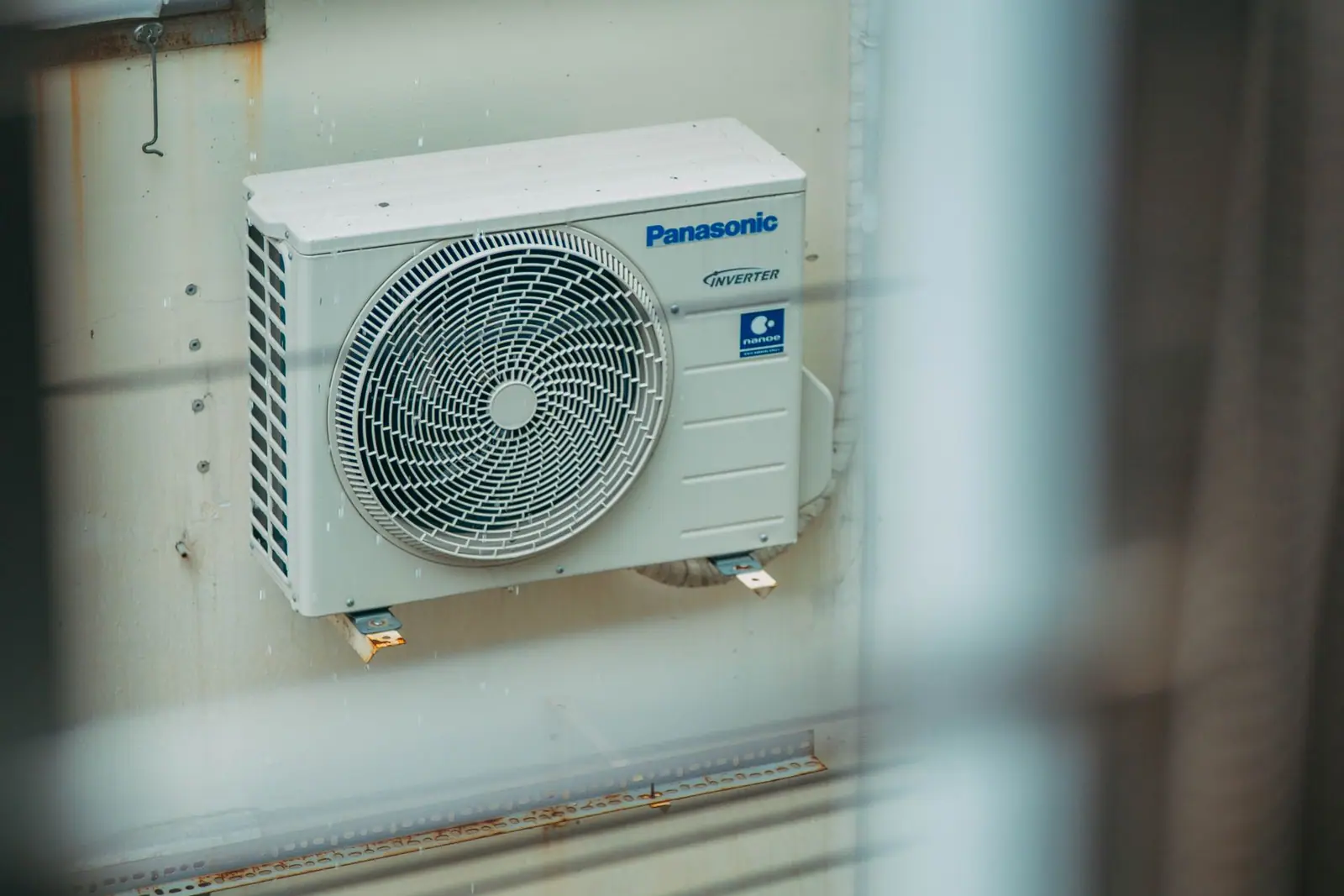
Heat pump heaters. They move heat from the air rather than making it, so they deliver several units of heat per unit of electricity. They work well in mild weather and lose capacity as the air gets colder. They are slow, which is fine for a pool held at temperature rather than heated from cold.
Solar. The lowest running cost of the three, no fuel at all, and the most dependent on your roof, your climate and the season. Often paired with one of the others for cold spells.
| Speed | Running cost | Best for | |
|---|---|---|---|
| Gas | Fast | Highest | Occasional use, cold climates |
| Heat pump | Slow | Lower | Holding a temperature in mild weather |
| Solar | Weather-dependent | Lowest | Extending a summer season |
The setting that decides the bill
Target temperature. Heat loss rises with the difference between the water and the air, so each degree costs more than the one before it. Dropping a target from 86°F to 82°F is not a five percent saving; it removes a disproportionate share of the temperature difference that drives the loss.
Two habits that follow from that:
- Cover it whenever it is not in use, especially overnight.
- Turn the target down rather than the heater off if you swim regularly. Reheating a cold pool costs more than holding it.
Before buying a heater, cover the pool for two weeks and watch the bill. Many people discover the heater was fine and the surface was the problem.
Windbreaks and siting
Wind over the surface accelerates evaporation. A hedge, a fence or a screen on the prevailing wind side reduces the loss without any running cost at all. It is a slow fix, and it is permanent.
Related reading: What a Hot Tub Costs to Keep Running and Pay for Pool Leak Detection With a Defined Report.
Questions people ask
Is a heat pump cheaper than a gas pool heater?
Per unit of heat delivered, usually yes, because it moves heat rather than burning fuel. It is slower and loses capacity in cold air, so the best choice depends on your climate and how you use the pool.
Does a pool cover really help that much?
The Department of Energy's Building America guide says a cover can reduce heating bills by up to 50 percent by preventing night heat loss, as well as saving water and chemicals.
What temperature should I keep the pool at?
Whatever you actually enjoy swimming in, and no more. Each extra degree widens the gap with the air temperature, and that gap is what drives the loss.
Is solar pool heating worth it?
It has the lowest running cost of the three options and the highest dependence on climate and roof space. In a sunny climate it extends the season substantially; in a cold one it needs a backup.
Where these figures come from
- Water Savings in Pools and Spas Building America Solution Center, US Department of Energy · basc.pnnl.gov
- Consumer Pool Heaters US Department of Energy · energy.gov
Figures last checked September 2026.