On this page
A house without heat in winter goes from uncomfortable to dangerous in a day, and most of the improvised solutions are worse than the cold. The National Fire Protection Association’s numbers show why.
Key figures
- 37,365 Yearly US home heating-equipment fires, 2020–2024 average
- 417 Yearly US home heating-equipment deaths, 2020–2024 average
- 73 percent Heating-fire deaths involving space heaters or heating stoves
What the fire data says
NFPA reports an estimated average of 37,365 home fires involving heating equipment per year in 2020 to 2024, causing 417 deaths, 1,260 injuries and $1.2 billion in property damage.
Heating was 11 percent of reported home fires.
The split inside that is the part worth remembering. Space heaters and heating stoves caused about 30 percent of the fires but 73 percent of the deaths.
The federal fire data adds the mechanism: the leading contributing factor in portable heater fires is a heat source placed too close to something combustible, at about half of cases.
Whatever heater you use, keep three feet of clear space in every direction, place it on a hard flat surface, never on carpet or furniture, never run it through an extension lead, and turn it off when you sleep or leave the room.
Never, under any circumstances
- A gas oven or stovetop to heat a room. It produces carbon monoxide in an enclosed space.
- A charcoal or gas grill indoors, including a garage or a porch.
- A generator indoors or near the house. Twenty feet, outdoors, always.
- An unvented fuel-burning heater in a sealed room overnight.
Every one of these is a recurring cause of carbon monoxide deaths after storms, and they happen because cold makes people reasonable about unreasonable things.
The approach that works: one warm room
Heating a house with no central heat is not realistic. Heating one room is.
- Pick a small interior room with few windows, ideally with a working fuel heater or a fireplace.
- Close doors to everywhere else, and block the gap under the door.
- Cover windows at night with blankets or curtains and uncover the sunny side in the day.
- Build a tent. A blanket over a table or a small tent inside the room traps body heat in a far smaller volume.
- Sleep together, with everyone in that room. Bodies are heaters.
Clothing beats heating
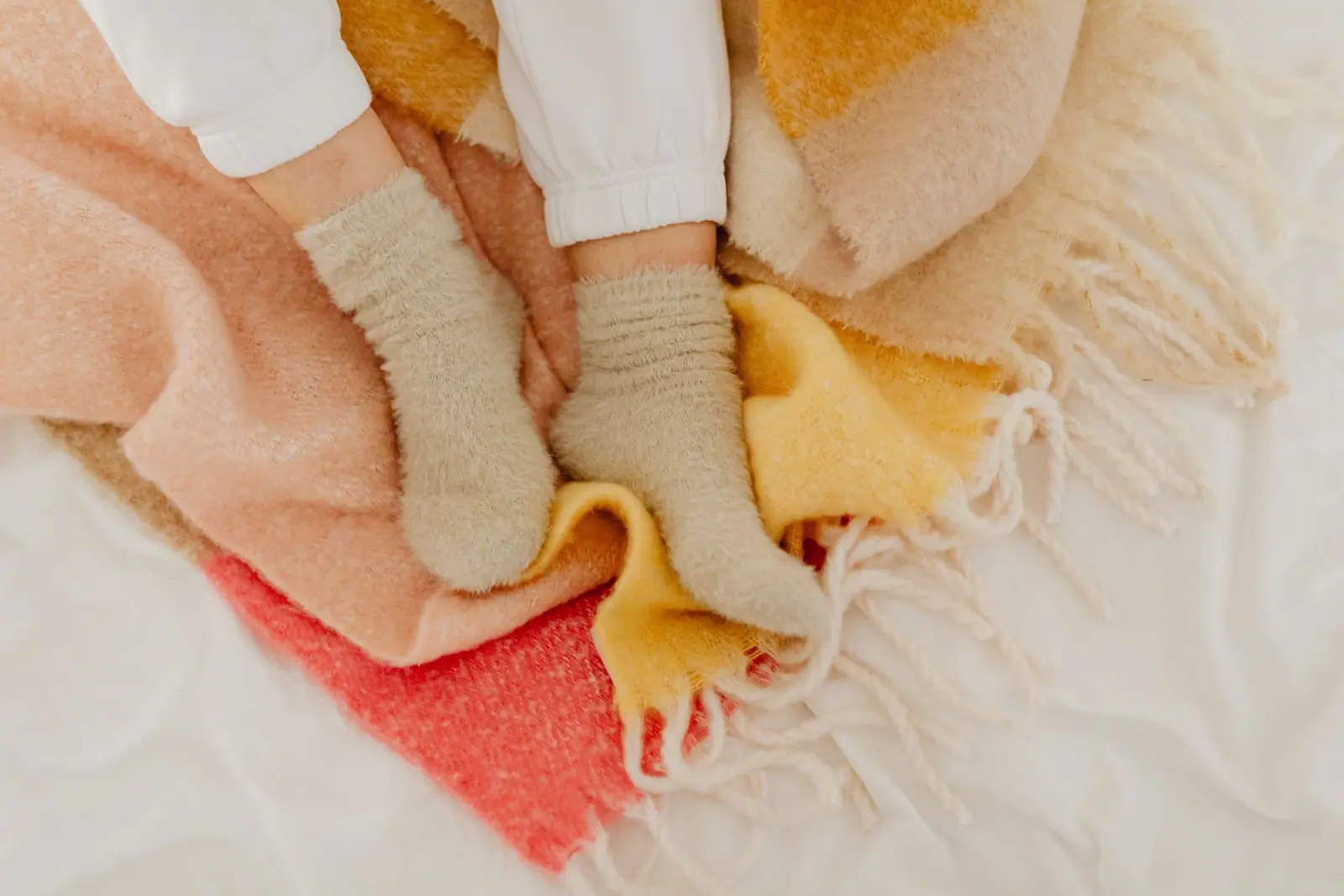
Layers of loose clothing, hats indoors, and a sleeping bag or duvet each do more than any appliance you can buy in a hurry. Wool and synthetics hold warmth when damp; cotton does not.
Eat and drink. Digestion produces heat, and warm drinks help more than their temperature alone suggests.
Protect the house too
- Let taps drip on exterior walls to reduce the chance of a pipe freezing and splitting.
- Open cupboard doors under sinks on outside walls so warmer air reaches the pipes.
- Know where the stopcock is, so a burst pipe becomes a repair rather than a flood.
- Keep a working CO alarm on every level, battery-powered or battery-backed.
Who needs to leave
Infants, older adults, anyone with a heart condition, and anyone whose medical equipment needs power are the people for whom a cold house becomes an emergency fastest. Decide early, while roads are open, and know where the local warming centre is: many councils open them during long outages.
Related reading: A Transfer Switch Quote Needs a Complete Connection and Internet Backup Power Cannot Promise a Connection.
Questions people ask
Can I heat a room with the oven?
No. A gas oven produces carbon monoxide, and an electric one is both ineffective and a fire risk. It is one of the recurring causes of poisoning during outages.
Are space heaters dangerous?
They are useful and require respect. NFPA data attributes about 30 percent of home heating fires but 73 percent of the deaths to space heaters and heating stoves, mostly from being too close to something combustible.
How cold does a house get without heat?
It depends on insulation and outside temperature, but a well-sealed house loses heat over hours, not minutes. Closing off one room slows the loss dramatically.
Should I leave the taps running?
A slow drip on pipes that run through exterior walls reduces the risk of freezing and splitting. Open the cupboards underneath as well.
Where these figures come from
- Home Heating Fires report National Fire Protection Association · nfpa.org
- Heating Fires in Residential Buildings, 2017 to 2019 US Fire Administration, FEMA · usfa.fema.gov
- Carbon Monoxide Information Center US Consumer Product Safety Commission · cpsc.gov
Figures last checked September 2026.