On this page
The advertised price of home security is the equipment: a panel, some sensors, a camera, a keypad. That number is the least important one in the decision, because it is paid once. Everything else in this product is recurring, and the recurring part is what decides whether you will still be happy in year three.
Price it as four lines, in this order.
Line 1: the equipment
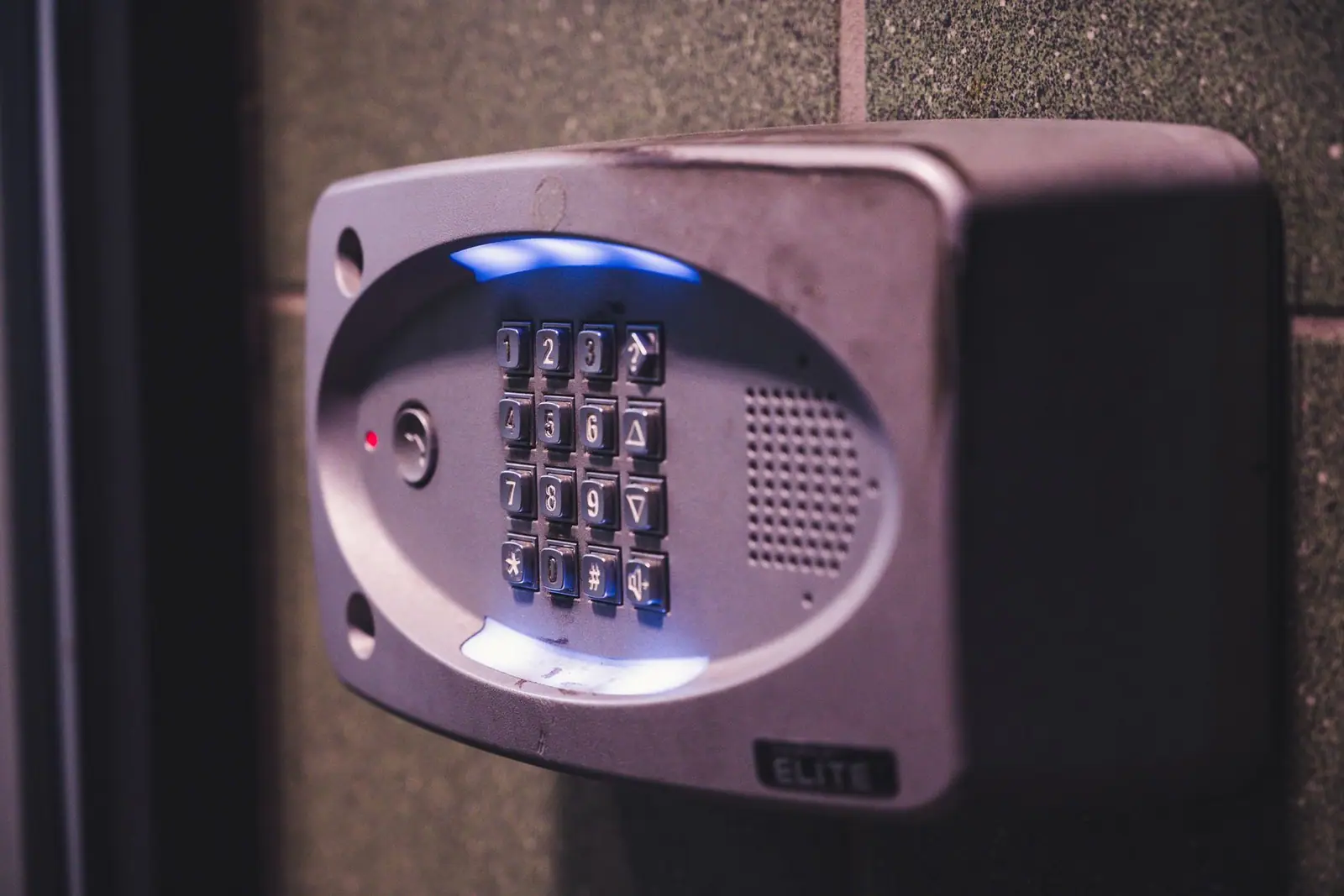
Sensors, a control panel or hub, keypads, sirens, cameras, a video doorbell, smart locks. Buy once, and in a self-install system you own it outright. In a professionally installed system you may be leasing it, which matters enormously when you want to cancel, because leased equipment usually has to be returned or paid off.
Two questions before you buy anything:
- Do I own this equipment or am I renting it? Get the answer in writing.
- Does it work with anything else, or only with this company’s monitoring? Proprietary systems are the ones that make leaving expensive.
Line 2: camera storage
This is the line people forget. Most cloud cameras record nothing without a subscription: without a plan you typically get a live view and a notification, and no history to look at afterwards. If the point of the camera is to have footage of something that already happened, the plan is not an upsell, it is the product.
Plans are usually structured one of two ways: per device, which is cheap for one doorbell and expensive for five cameras, or per household, which covers every device at one address. Check three things: how many days of history are kept, whether the plan covers all your devices, and whether the price you see is introductory.
The alternative is local storage: a camera that records to a memory card or to a recorder in the house. There is no monthly fee, and there is also nothing off-site if the recorder is stolen.
Line 3: monitoring
Professional monitoring means a central station watches the signals and calls you, then calls the police. Self-monitoring means the system calls your phone and you decide.
Over five years the monitoring fee is nearly always the largest number in the whole project. Work it out before you sign: the monthly fee times sixty, plus any activation charge. Then compare that with the equipment you were so careful about.
What you are buying for that fee is a chain of people rather than a device: an operator who answers at three in the morning, a verification call, a dispatch, and in many contracts a cellular path that works when your internet is down.
Line 4: what your city charges
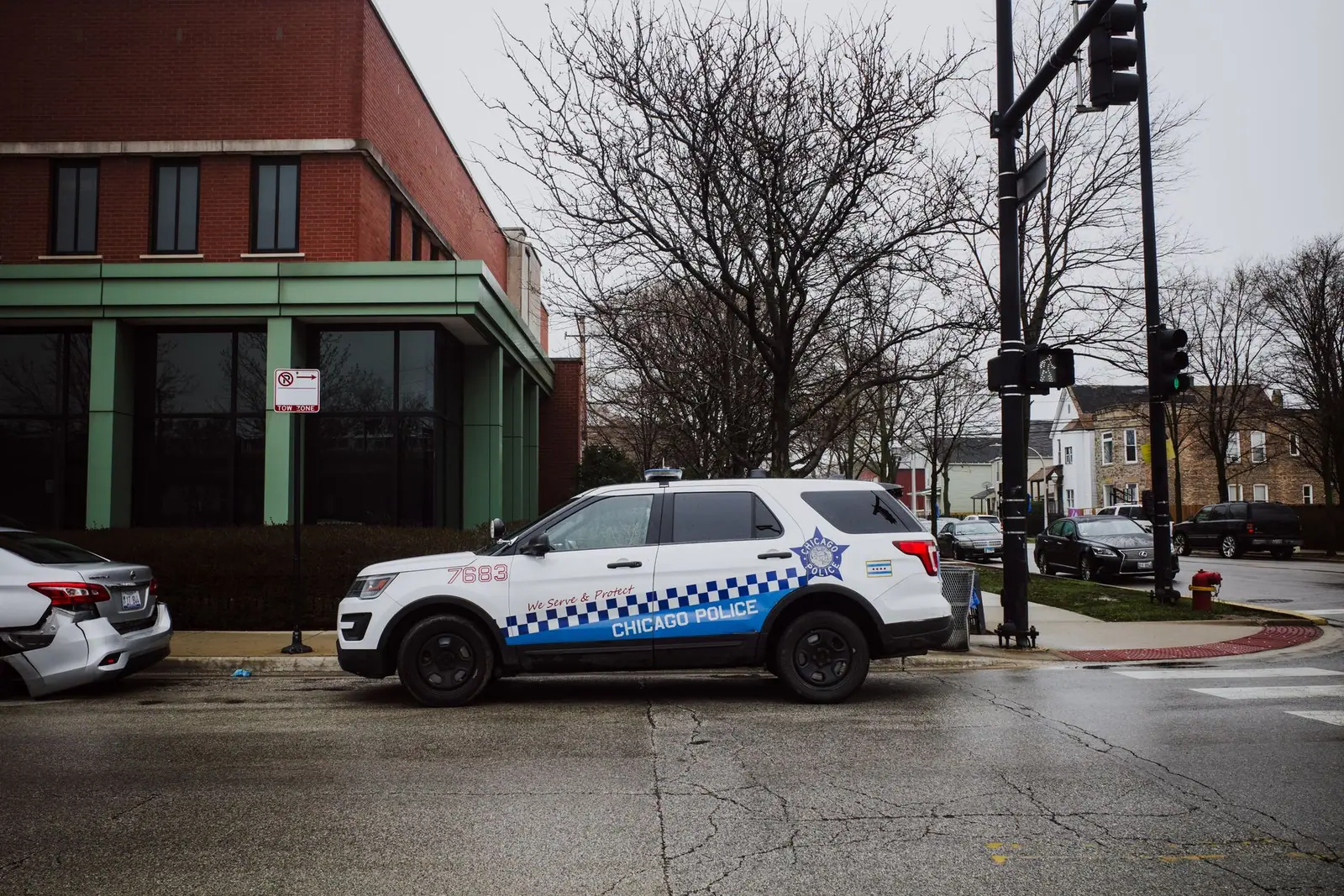
This is the line almost nobody prices, and it is real. Most US cities require an alarm permit for a monitored system, renewed annually, and fine false alarms on an escalating scale. Some jurisdictions have gone further and adopted verified response, meaning police will not be dispatched to an alarm until somebody, usually a guard or a camera, confirms a break-in.
The reason is in the Department of Justice’s problem-oriented policing guide on false burglar alarms: the vast majority of alarm calls, between 94 and 98 percent, are false, and each one takes about 20 minutes of police time, usually for two officers. Before you buy, search your city’s name with “alarm permit” and read the ordinance. The permit is cheap. The third false alarm in a year may not be.
The five-year total
| Line | Paid | What to check |
|---|---|---|
| Equipment | Once, or leased | Do you own it? Is it proprietary? |
| Camera storage | Monthly or annually | Days of history, per device or per home, introductory price |
| Monitoring | Monthly | Contract length, cancellation terms, cellular backup |
| Permit and fines | Annually, plus per incident | Your city’s ordinance and its escalation schedule |
| Insurance credit | Annual saving, not a cost | Your own insurer’s figure, in writing |
Put your own numbers in that table before you buy anything. The result is usually that a modest system you understand beats an elaborate one you stop paying attention to.
The insurance discount is real but it is not a number anyone can quote you in advance. Protective device credits are set in each insurer’s own filed rates and depend on whether the system is professionally monitored, so the only figure worth having is the one your insurer gives you for your address, in writing, before you buy.
What the risk actually looks like
Spending is easier to judge against the real size of the problem, and the federal numbers are not the ones the advertising implies.
- 2003 to 2007, yearly average3.7 million
- 20221.32 million
- 20231.20 million
- 20241.10 million
Bureau of Justice Statistics. The 2003 to 2007 figure is the annual average reported in Victimization During Household Burglary (2010); the later figures are from Criminal Victimization, 2024. Definitions differ slightly between the two reports.
In 2024 that worked out at 8.2 burglaries per 1,000 households, and about 0.71 percent of households experienced one: roughly one household in 140. Fewer than half were reported to police.
That is not an argument for doing nothing. It is an argument for proportion: a system whose recurring cost you would not notice, covering the doors people actually use, is a better answer than a large monthly commitment bought during a scary sales conversation.
The order that saves money
- Fix the doors first. A deadbolt in a reinforced frame is a one-off cost with no subscription.
- Add a camera where it answers a question: the front door, the driveway, the back gate.
- Decide about monitoring last, when you know whether you actually respond to your own notifications.
- Get your city’s permit the week the system goes in.
- Tell your insurer, and ask for the credit in writing.
Related reading: Monitored or Self-Monitored, Honestly Compared and What Your Alarm Does When the Power Goes Out.
Questions people ask
How much does a home security system cost per month?
The monthly part is monitoring plus camera storage, and it varies widely by company and plan. The useful exercise is not the monthly figure but the five-year one: multiply the monthly fee by sixty and add the equipment, then compare that with what you are protecting.
Do security cameras need a subscription?
Most cloud cameras record nothing without one. Without a plan you generally get a live view and notifications but no saved history. Cameras that record to a memory card or a local recorder avoid the fee, at the cost of having no off-site copy.
Do I need a permit for a home alarm?
In most US cities, yes, for a monitored system, and permits are renewed annually. Cities also fine false alarms on an escalating scale, and some require verified response before police are dispatched. Search your city's name and "alarm permit" for the ordinance.
Is home security worth it if burglary is falling?
Burglary has fallen a long way: the federal victimisation survey counted about 1.1 million household burglaries in 2024, against 3.7 million a year in the mid-2000s. That argues for proportion rather than for nothing: spend on the entry points you use, and be careful about large recurring commitments.
Where these figures come from
- Criminal Victimization, 2024 Bureau of Justice Statistics · bjs.ojp.gov
- Victimization During Household Burglary Bureau of Justice Statistics · bjs.ojp.gov
- False Burglar Alarms, 2nd Edition, Problem-Oriented Guides for Police No. 5 US Department of Justice, Office of Community Oriented Policing Services · portal.cops.usdoj.gov
- Ring subscription plans Ring · ring.com
Figures last checked September 2026.