On this page
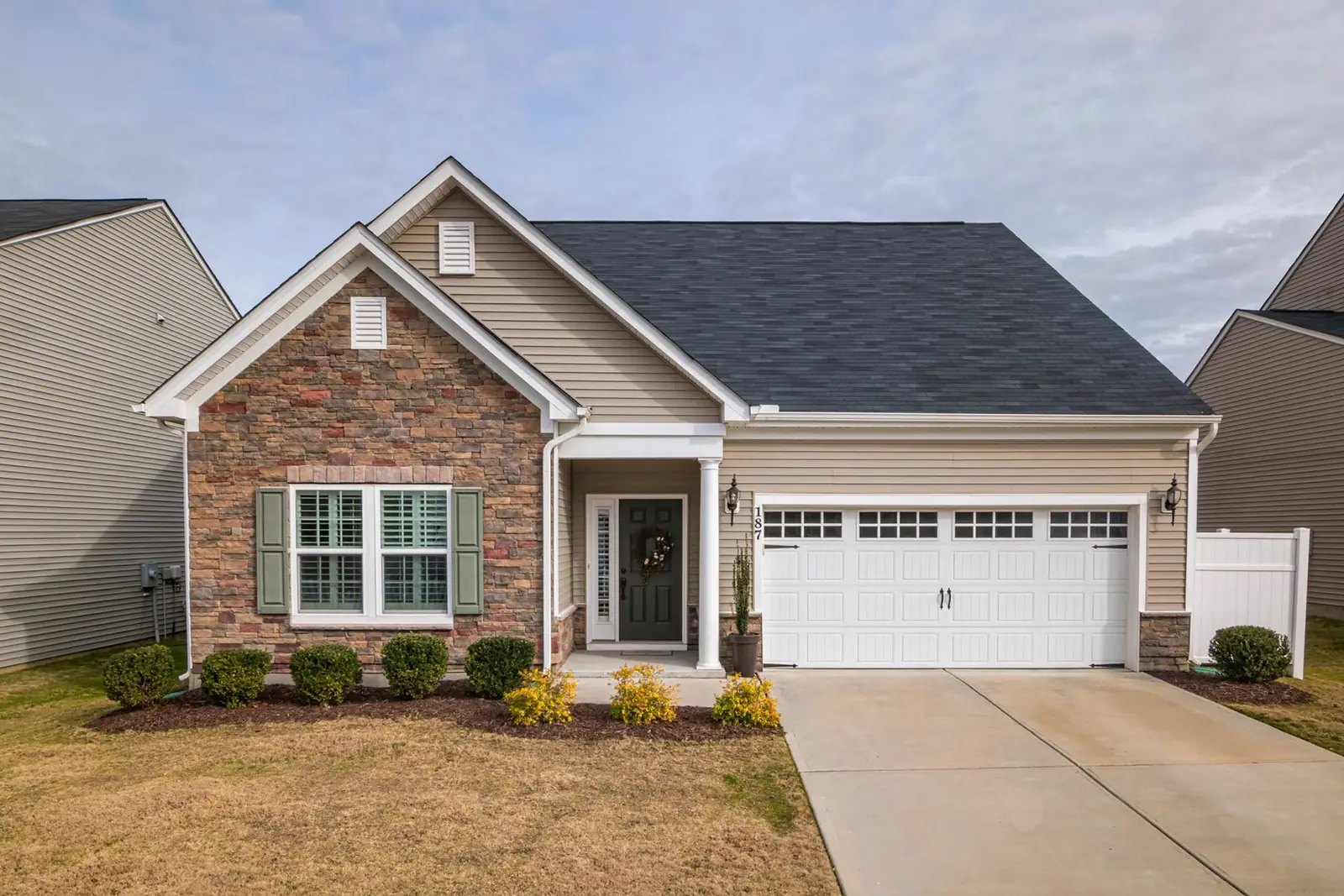
An attached garage is the part of the house with the least security and the most useful contents. It stores the ladder that reaches the first-floor window and the tools that open everything else, and it usually connects to the hallway through a door nobody locks.
The door between the garage and the house
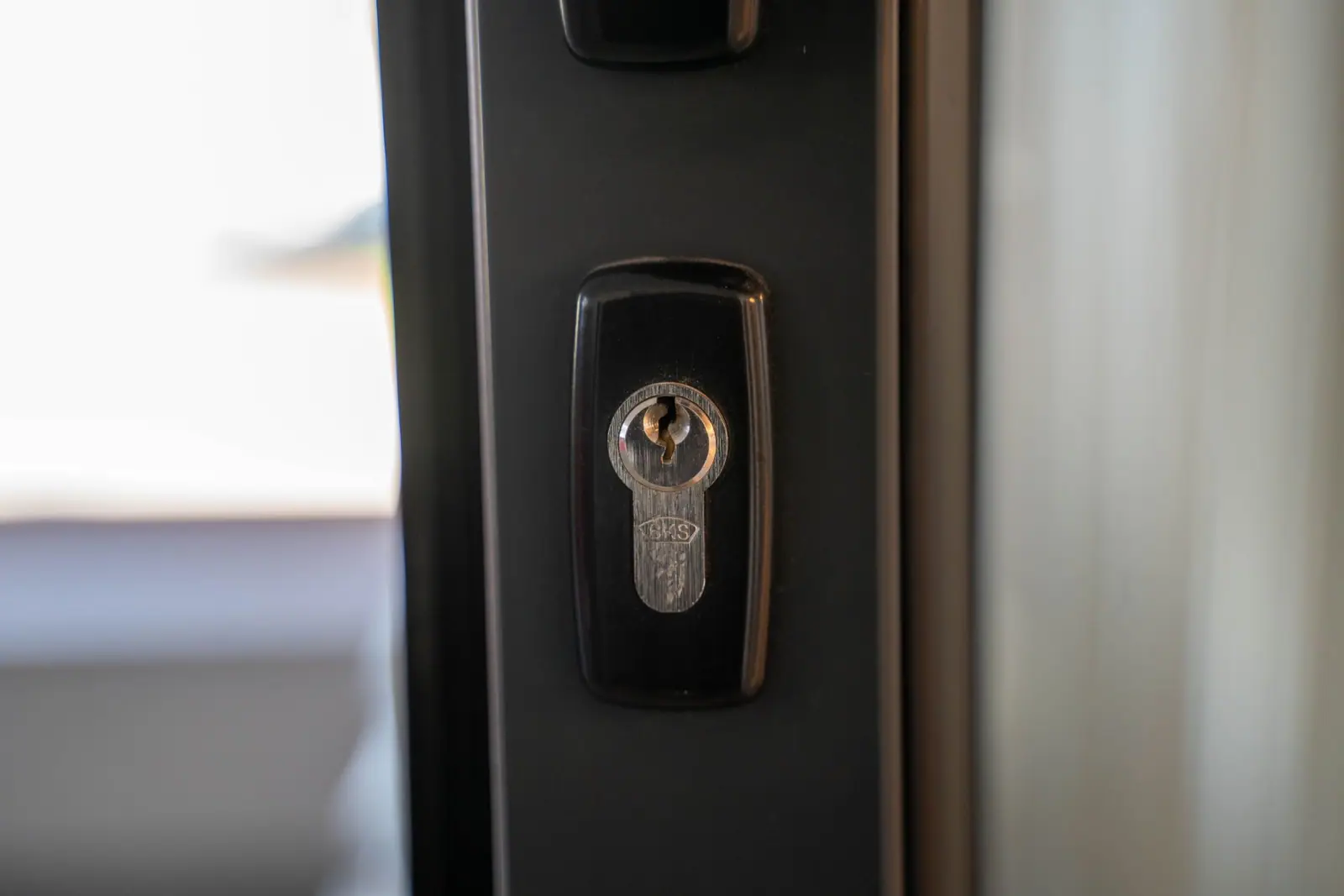
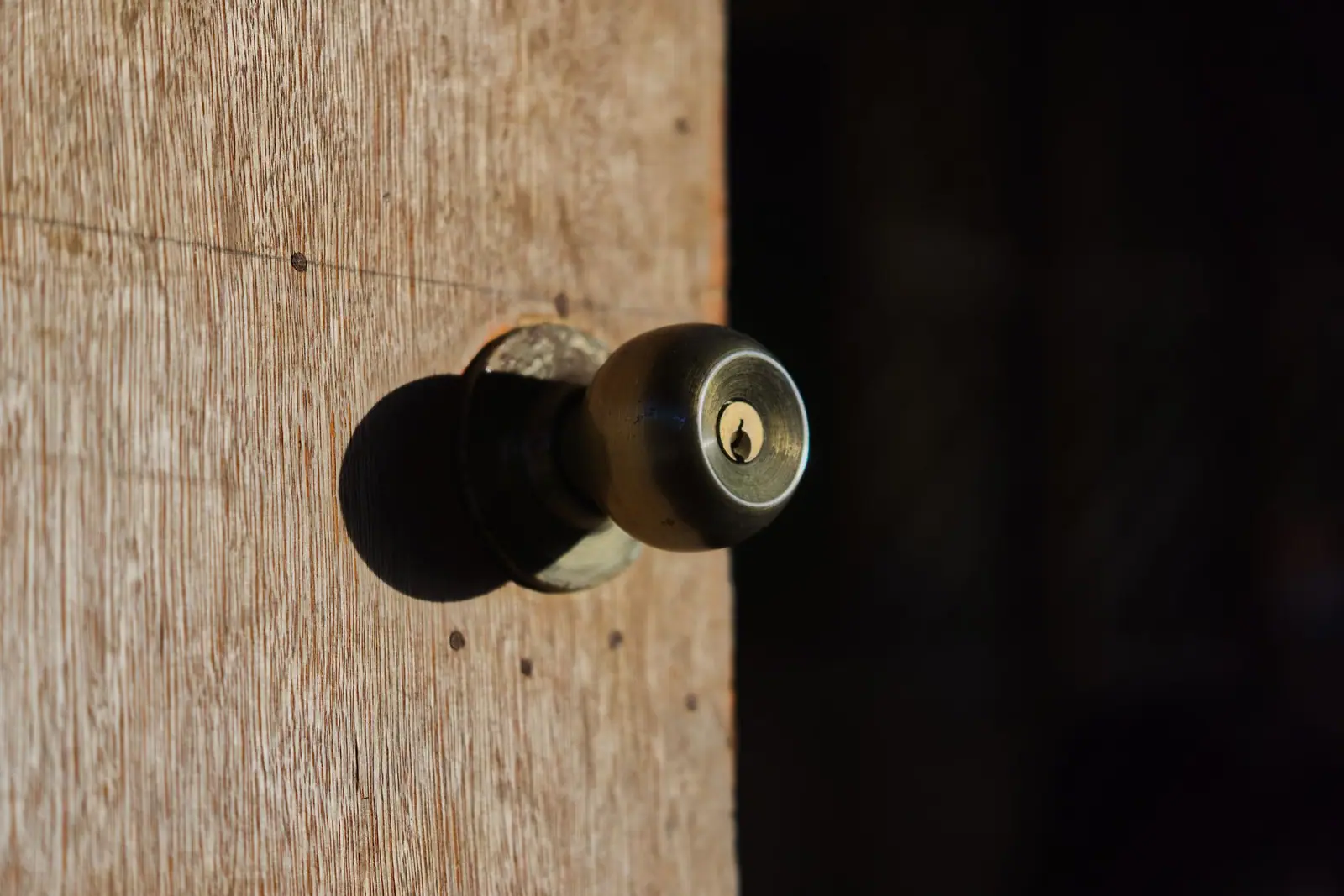
This is the one that matters most, and it is almost always the cheapest door in the building: hollow-core, a knob lock, no deadbolt, standing unlocked.
Treat it as what it is, an exterior door:
- Solid core or steel, not hollow.
- A deadbolt, with long screws through the jamb into the stud.
- Locked, including when the car is in the garage.
- Self-closing if you can, because the one that is propped open is the one that fails.
Fire codes in many places already require that door to be fire-rated, which usually means solid. If yours is a hollow interior door, replacing it improves fire safety and security in the same purchase.
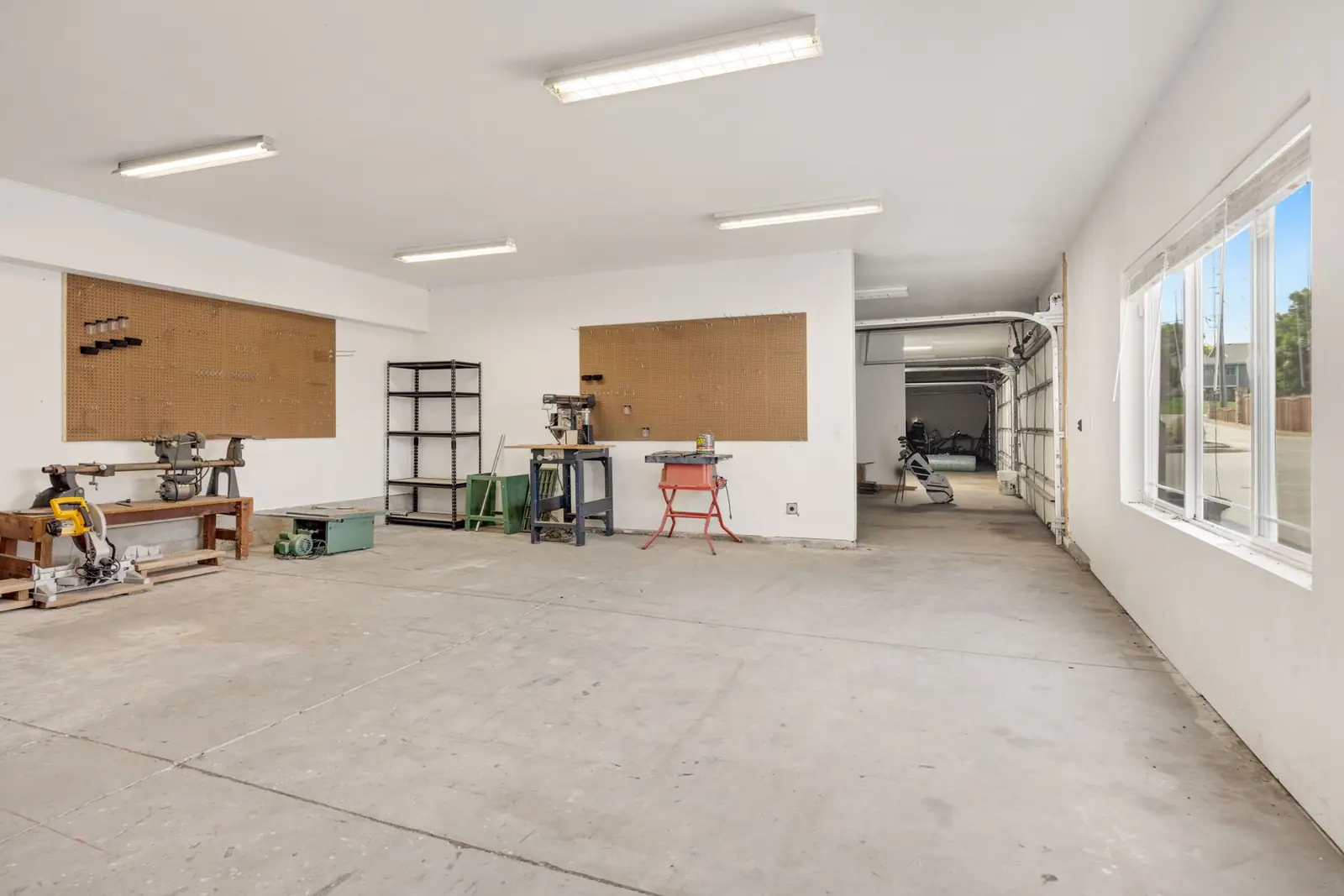
The emergency release
Every automatic garage door has a manual release, usually a red cord hanging from the trolley, so you can open the door by hand in a power cut. It is a safety feature and it has to stay usable from inside.
The risk is when it can be reached from outside, typically through the gap at the top of the door with a length of wire. Three reasonable responses:
- Remove slack from the cord, or shorten it, so it cannot be caught easily through a gap.
- Fit a shield over the release mechanism where the manufacturer offers one.
- Add a manual lock for periods when the house is empty for days. A simple slide bolt or a bolt through a track hole means the door cannot be lifted even if the opener is defeated. Remember it is there before you press the remote.
Do not disable the release. Leaving yourself unable to open a garage by hand in an outage is a worse problem than the one you are solving.
Openers and remotes
Fixed-code openers were made until the mid-1990s and send the same code every time. If your opener is that old, replace it; that is one of the rare cases where a security upgrade is a straight yes.
Modern openers use rolling codes, where the code changes with every press, so a captured signal is not reusable. That is the standard on anything recent.
The bigger risk is analogue:
- A remote clipped to the visor of a car parked on the drive. A car break-in then becomes a house break-in. Take it inside, or use a keychain remote, or a keypad on the door frame instead.
- A keypad with a code that has never been changed, or one whose buttons are visibly worn.
- Sharing the code with trades who needed it once.
If the garage has a window, cover it. The point is not to hide a car, it is to hide whether a car is there, which is the single clearest signal of whether anybody is home.
The side gate and the back door
The same logic runs around the rest of the property. The side gate is the route to the part of the house nobody overlooks, and it is often the only thing between a public pavement and a patio door.
- Lock the gate, with a bolt on the inside and, if it is reachable over the top, a padlock.
- Light the path with a motion-activated fitting. Federal policing guidance lists motion-activated lights among the measures shown to be effective.
- Store the ladder inside, always. A ladder left along a fence is an invitation to the first floor, where nobody locks anything.
- Lock sheds and outbuildings, and keep tools that would help force a door out of them where you can.
- Trim the shrubs by the back door and windows. Cover for a person working on a lock is worth more to them than any tool.
Related reading: The Lock Is Rarely the Part That Fails and A Lock Rekeying Quote Needs a Complete Door List.
Questions people ask
Should the door from the garage into the house be locked?
Yes, and it should be a solid exterior-grade door with a deadbolt and long screws in the strike plate. Many fire codes already require it to be fire-rated, so replacing a hollow interior door improves both fire safety and security.
Can someone open my garage with the emergency release?
It is possible where the release cord can be reached from outside through the gap at the top of the door. Shorten the slack, fit a shield if the manufacturer offers one, and add a manual bolt when the house is empty for days. Do not disable the release itself.
Are old garage door remotes a security risk?
Openers made before the mid-1990s generally send a fixed code that can be captured and reused. Modern openers use rolling codes that change with every press, so replacing a fixed-code opener is a genuine upgrade.
Where should I keep the garage remote?
Not on the visor of a car parked outside. A keychain remote, a keypad on the door frame or a phone app all avoid turning a car break-in into a house break-in.
Where these figures come from
- False Burglar Alarms, 2nd Edition, Problem-Oriented Guides for Police No. 5 US Department of Justice, Office of Community Oriented Policing Services · portal.cops.usdoj.gov
- Victimization During Household Burglary Bureau of Justice Statistics · bjs.ojp.gov
Figures last checked September 2026.